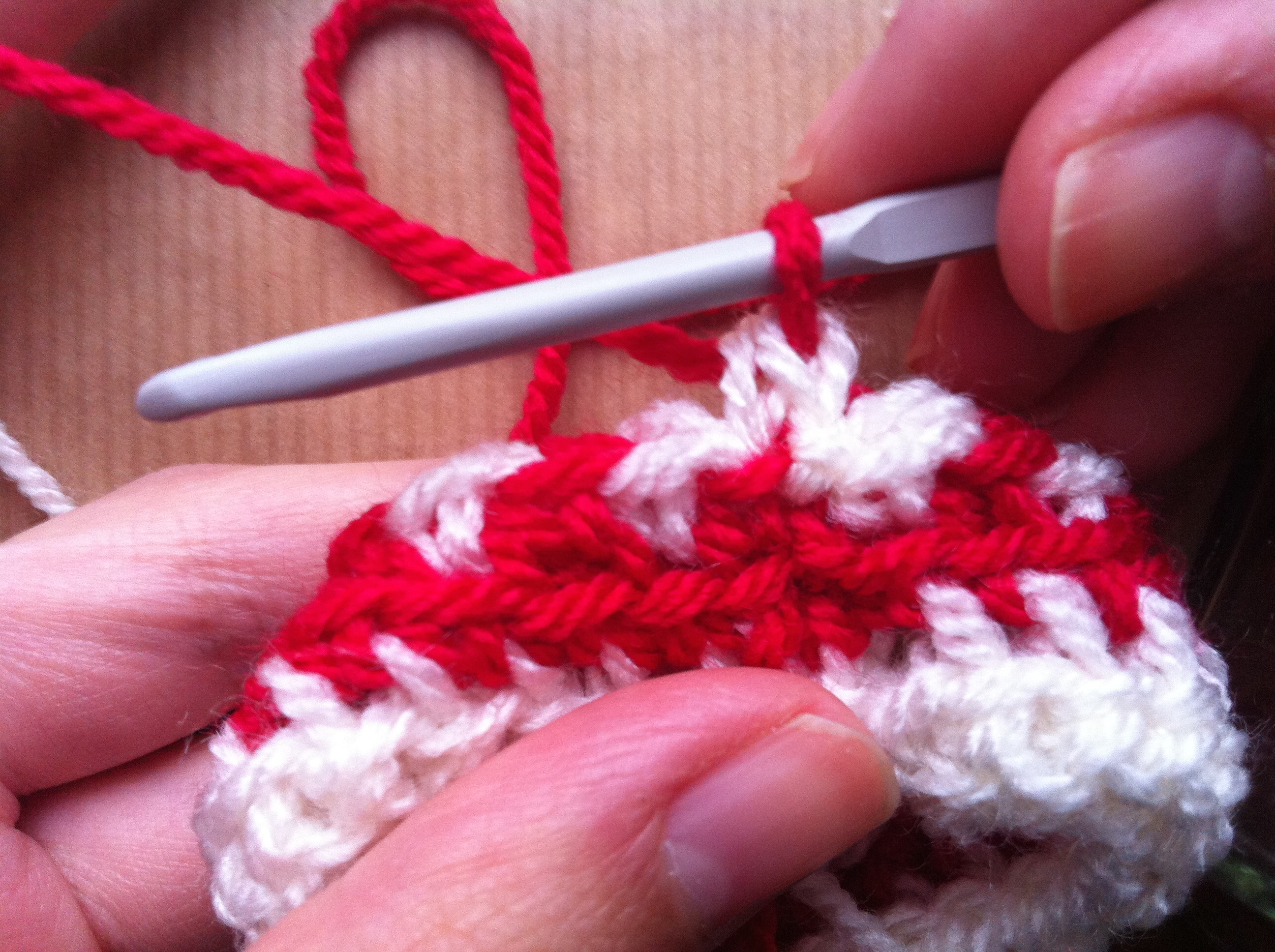
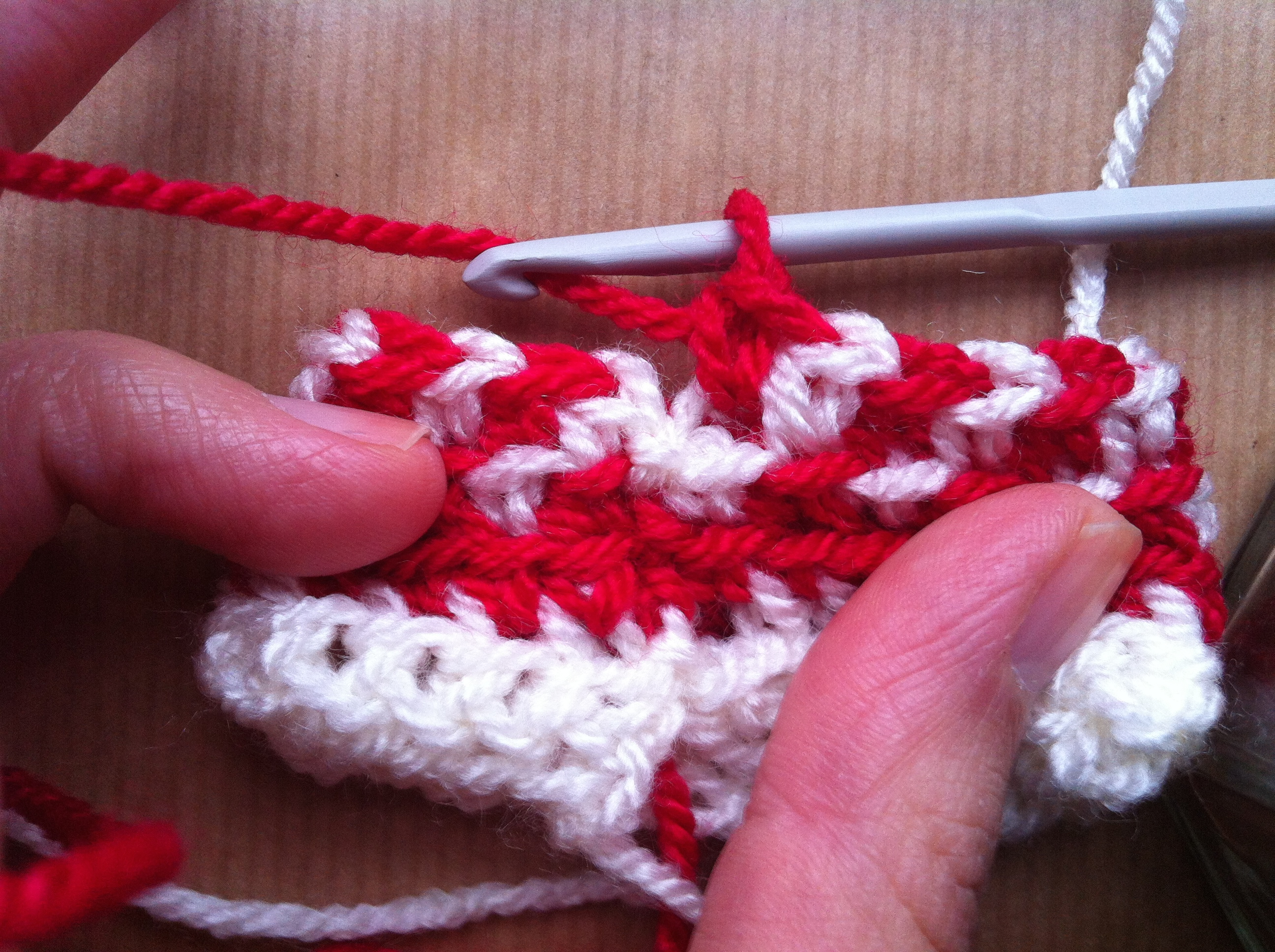
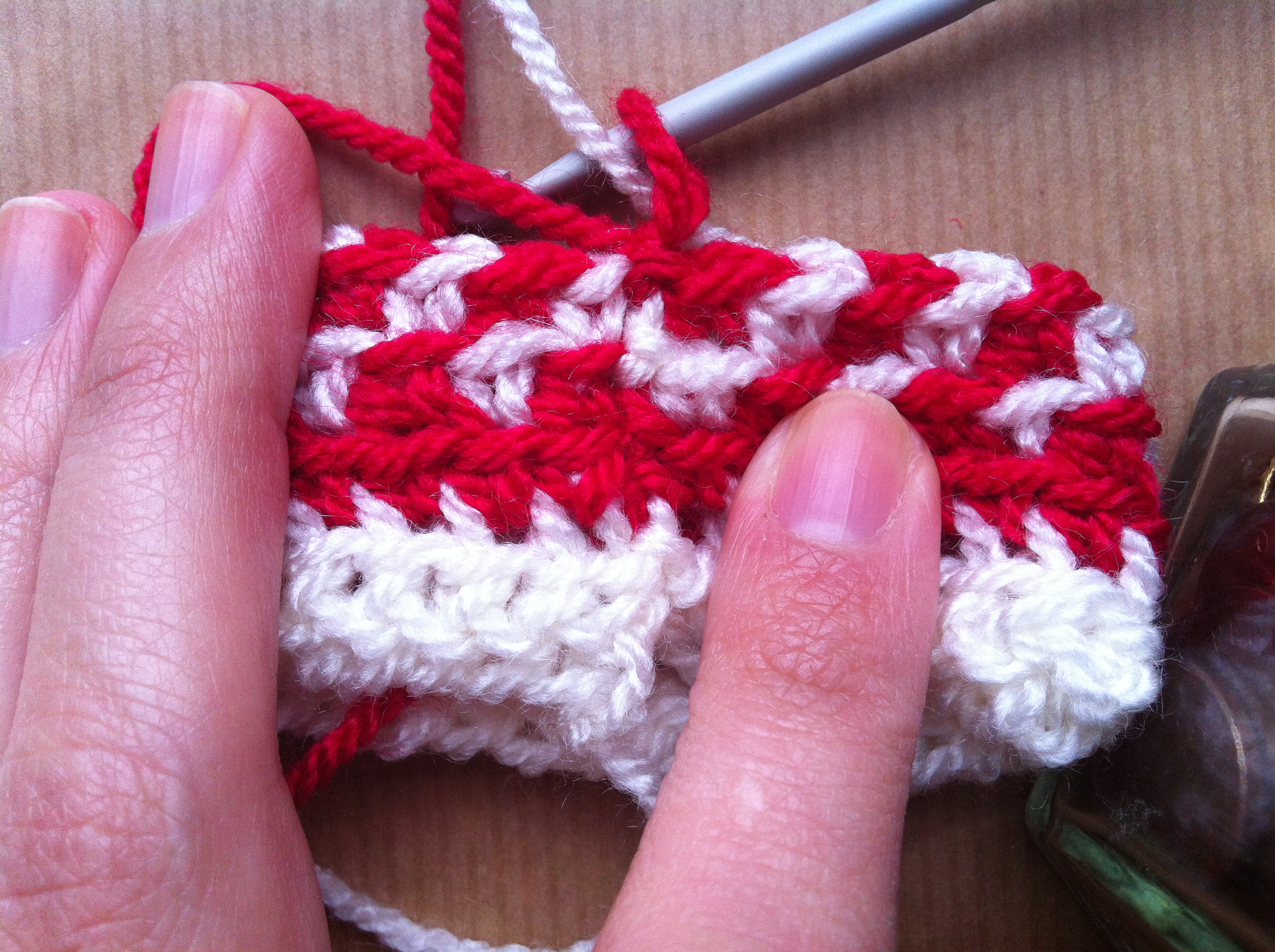
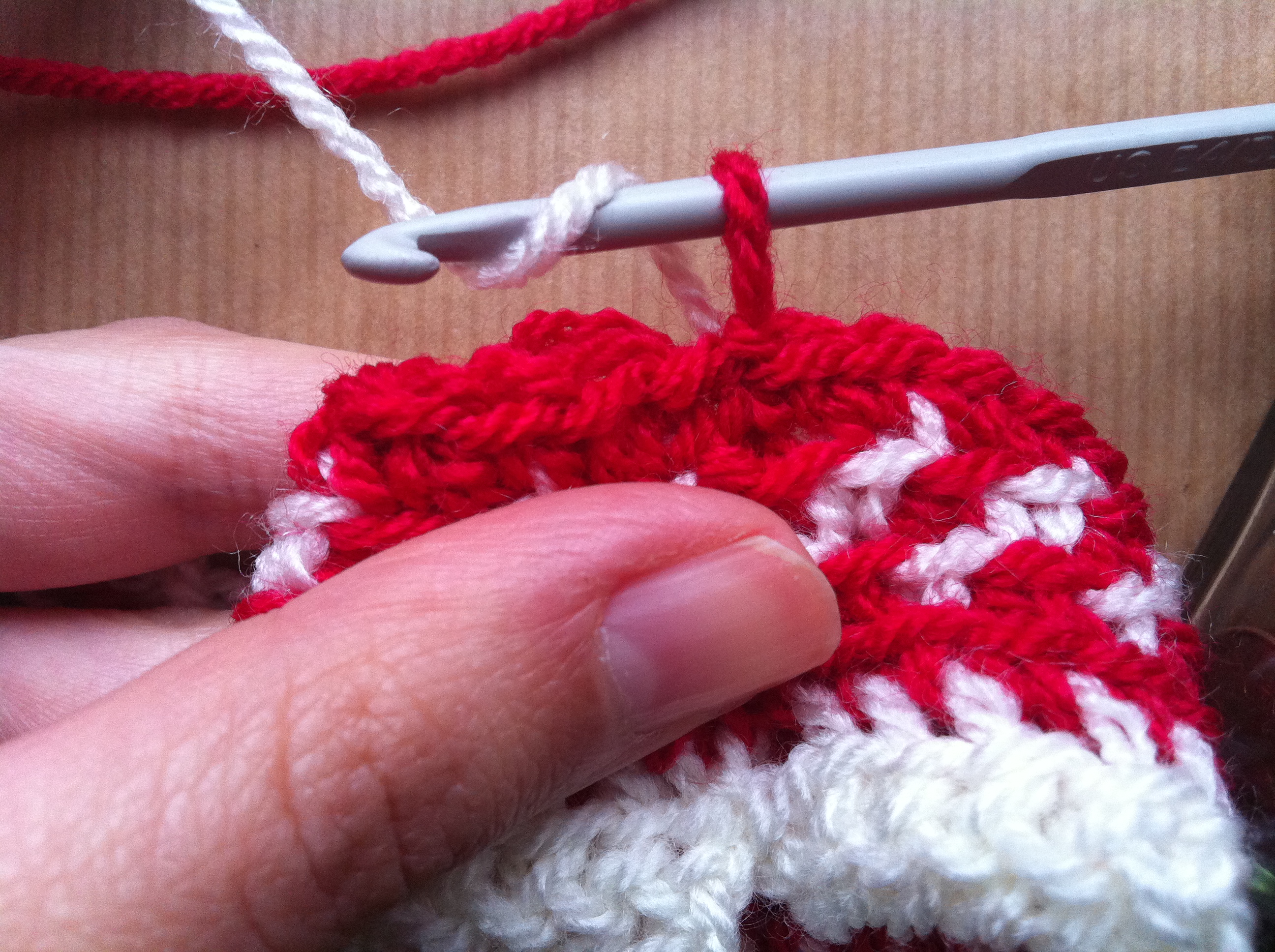
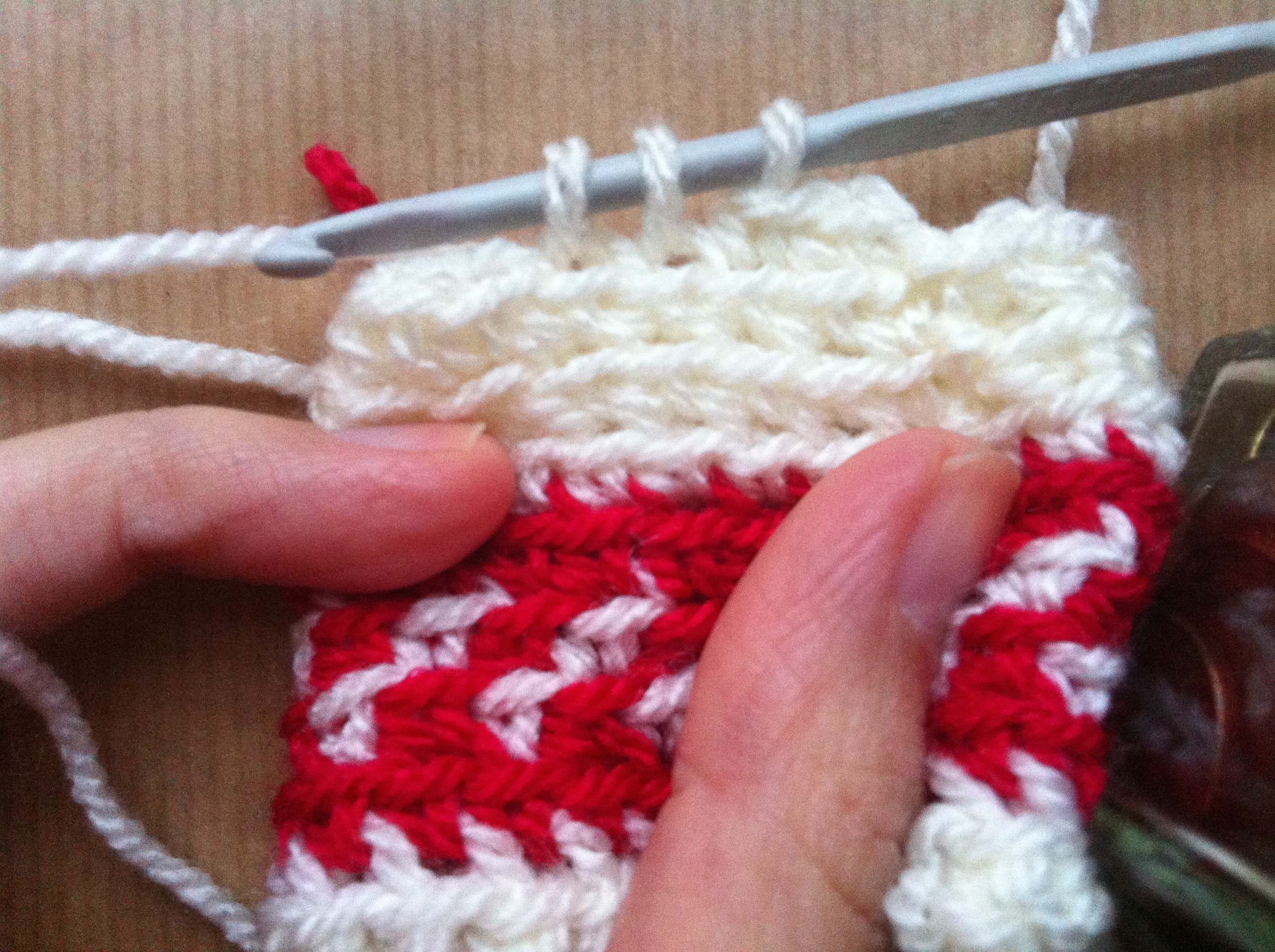
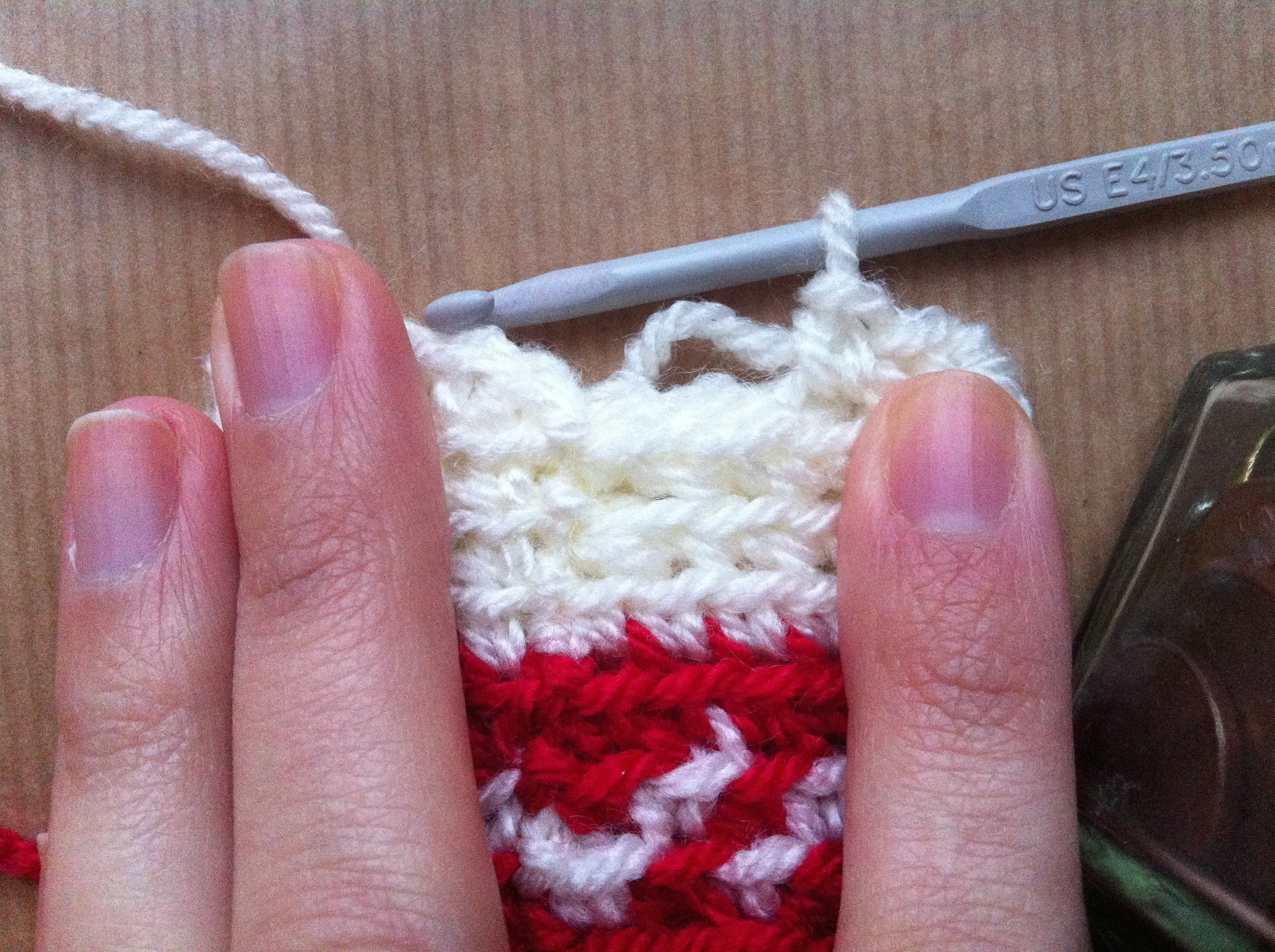
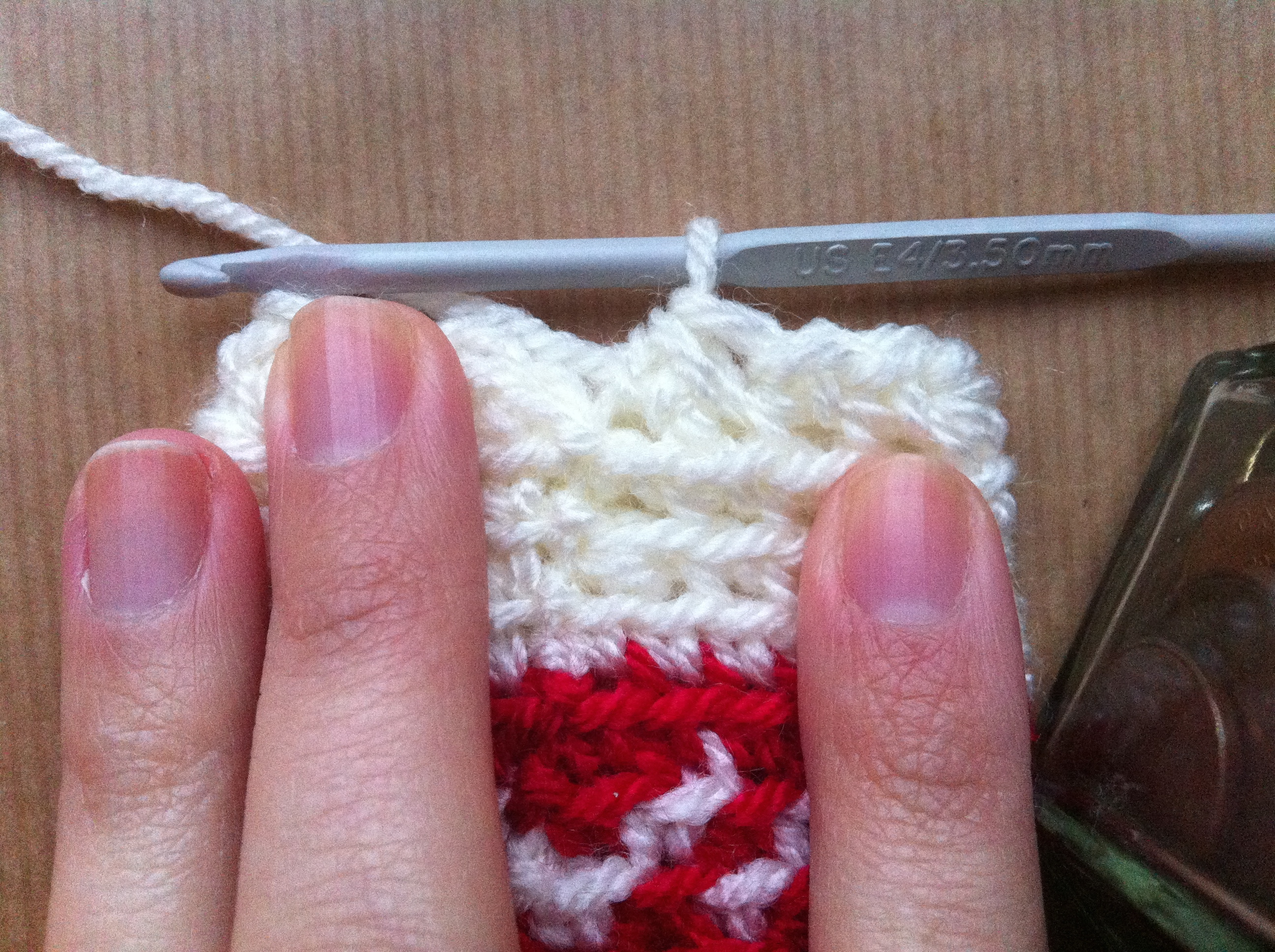
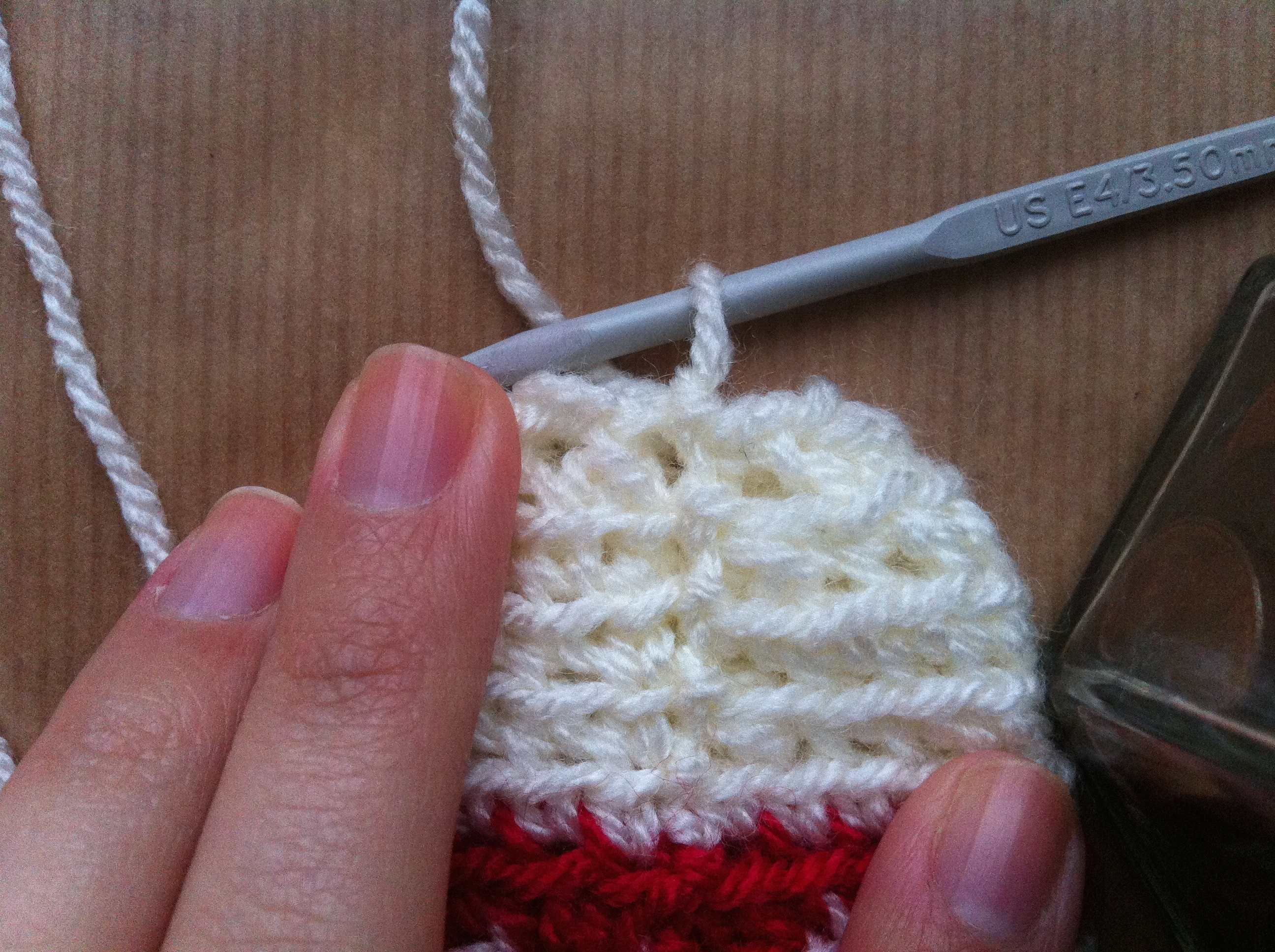
My custom-fit vest with Dora: Back finished

photo

It has been so long since I have given you an update on my vest that I am sure you already forgot about it! I have been working on it but hadn’t had much progress and therefore didn’t have much to share besides all the unravelling I have been doing.

If you are new to my blog I started this series a few (several) weeks ago to learn how to custom-fit a pattern. I am taking a Craftsy class that teaches you how to do this with a pattern for a vest in tunisian crochet and I have been sharing my progress with everyone (check old posts here, here and here).

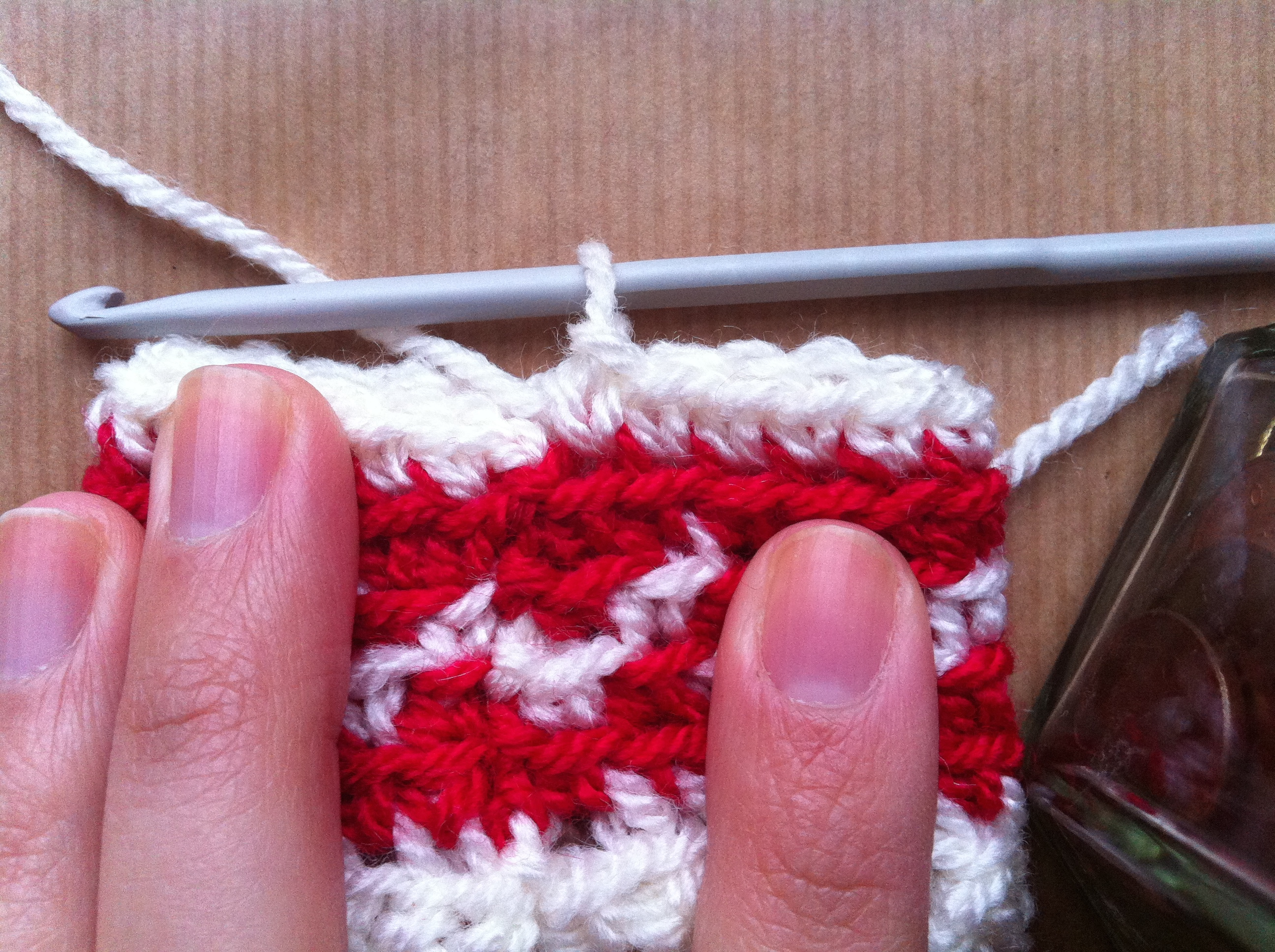
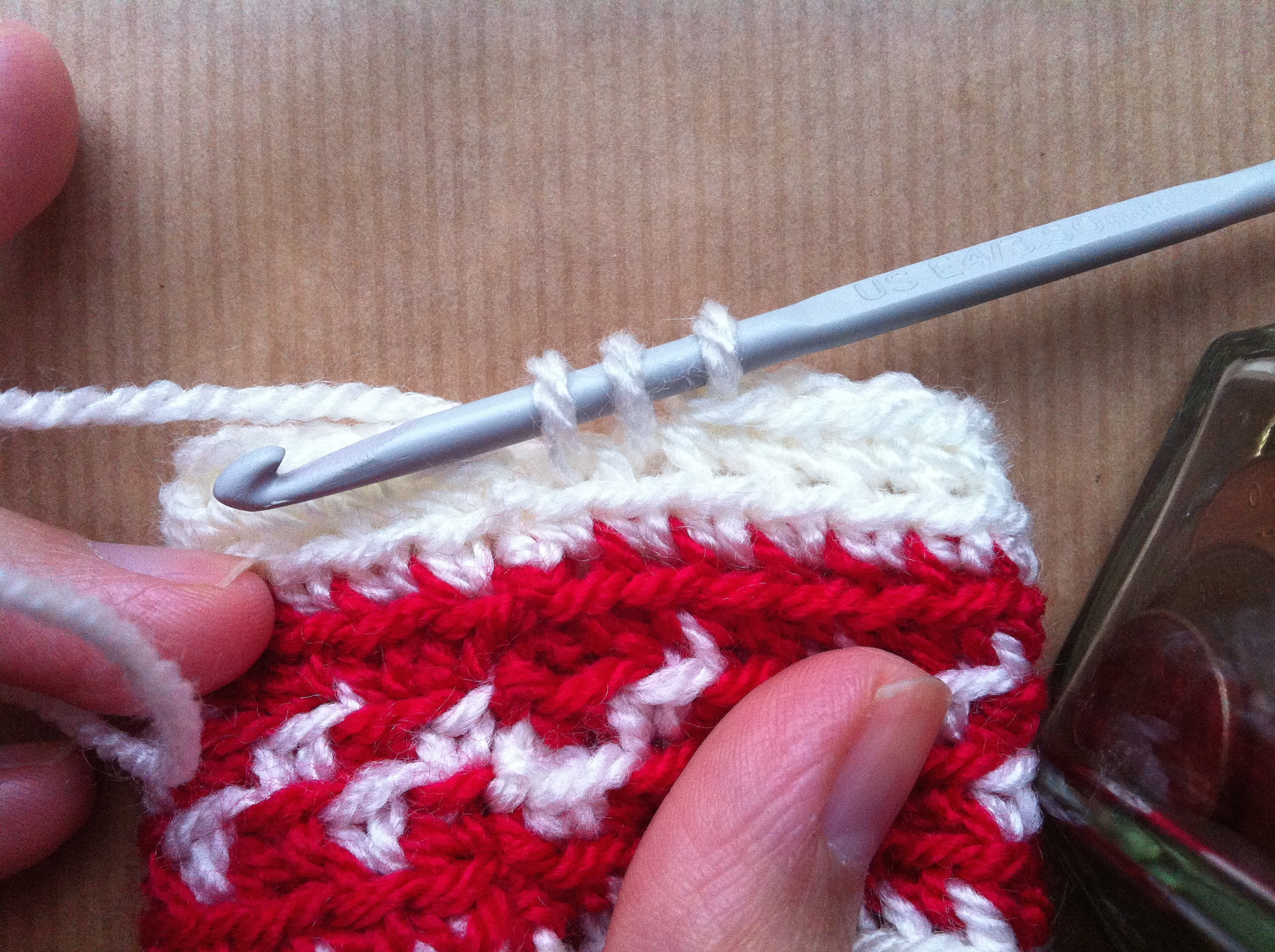
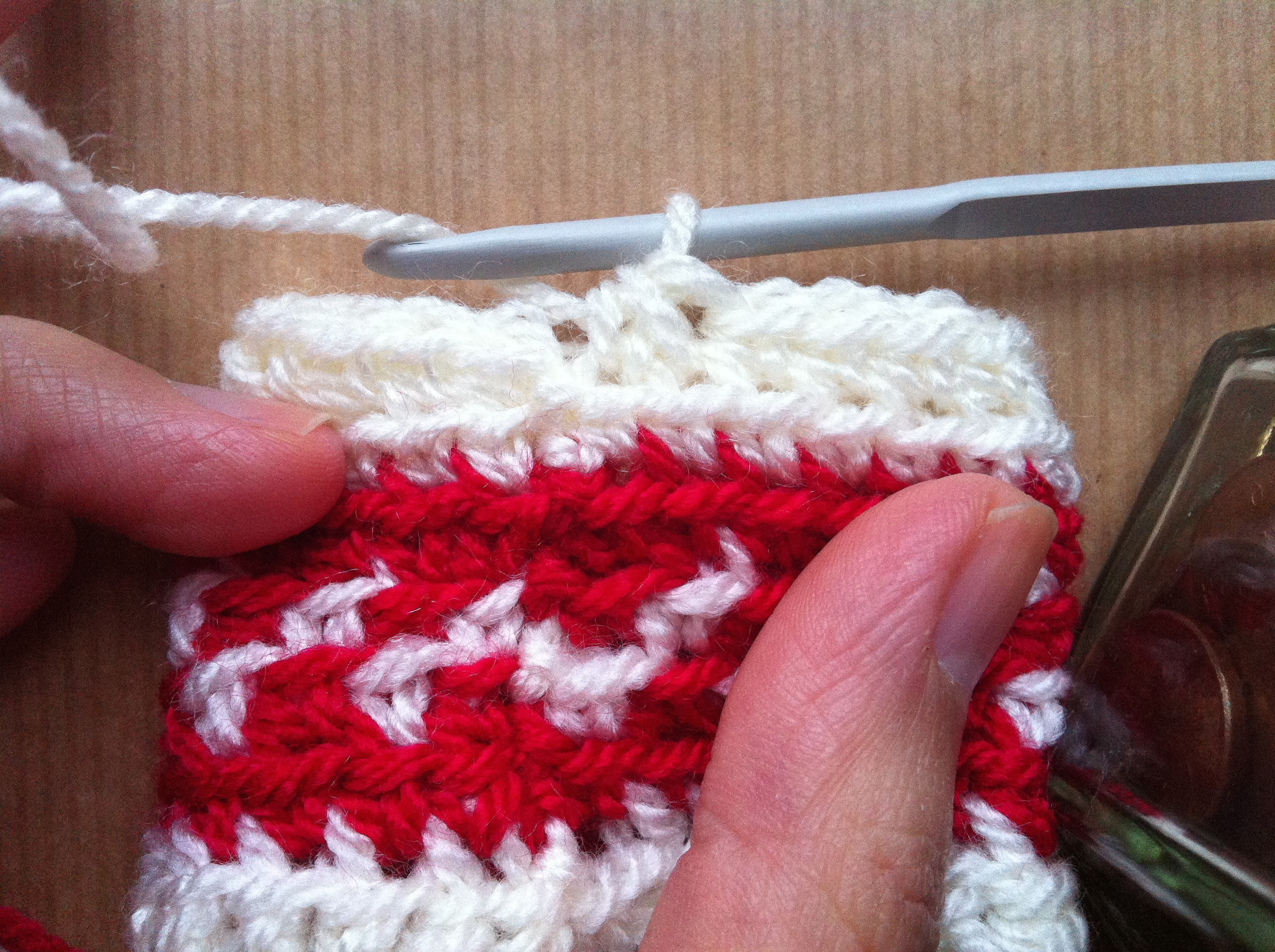
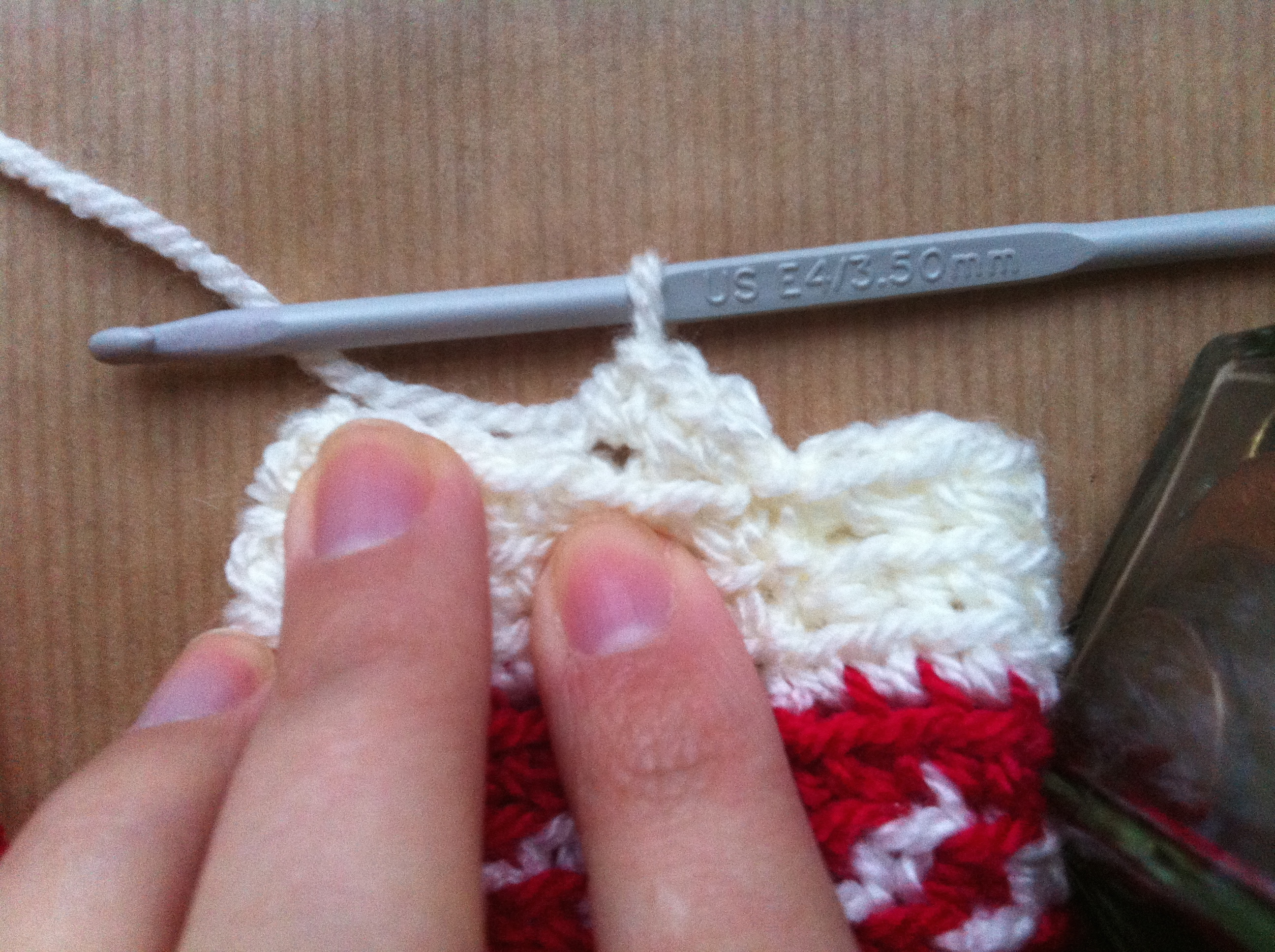
So after I finished all my swatches and finally started the back I had a lot of trouble. I have been thinking about what the problem really was and I think it lies on how comfortable (or uncomfortable) it is to achieve the gauge of the pattern. I did plenty of swatches to get the right gauge when I first started the class and even though I finally got the right one it wasn’t the way I would normally crochet: loose when I wouldn’t be loose and tight when I wouldn’t be tight. So when I actually started the piece my hands just went into automatic pilot and forgot all about what they had done before to achieve the gauge.

Not only that but I realised halfway through the back that my piece was 3cm bigger than what it should be, which would turn into 6cm if I did the front the same way. So I unravelled and started to crochet tighter, but it would still end up too big! Changed hooks, and still too big! I was really starting to get desperate when suddenly, with a much smaller hook than my original swatches, everything fell into place. Well almost. Row gauge is still a bit off but I will fix that with blocking.

Now the back is finished and the piece is 1cm smaller/bigger here and there, but nothing blocking can’t fix. I literally sighed with relief when I measured the finished back. One more unravelling would be more than I can handle for one project!

So my piece of advice to everyone: make sure your gauge is comfortable for you! Instead of changing tension try changing hooks which is much easier to replicate in the finished piece. And I would say if you can’t get one of the gauges always go for stitch gauge. specially on a garment. It is easier to fix row gauge by removing or adding rows than to unravel to remove stitches.

You definitely learn more from your mistakes than from your successes!

I will be back with more updates and hopefully less unravelling 🙂

x

Sol

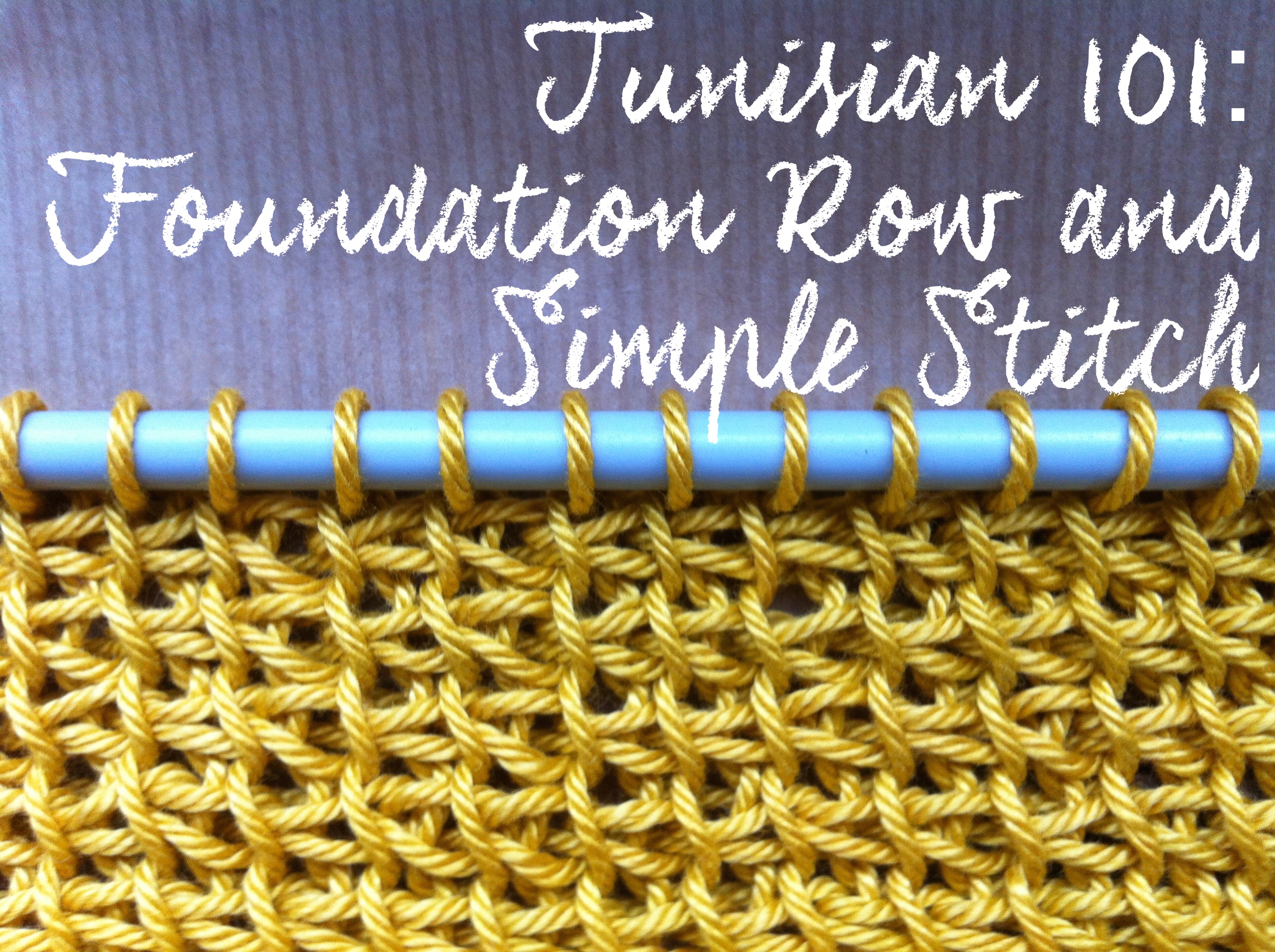
Tunisian Crochet 101: Foundation Row and Simple Stitch (Tss)

IMG_2530

Hello my dear readers! Welcome to a new post on this Tunisian Crochet 101 series (click here for the first post if you missed it). You better have your materials ready because today we are learning our first tunisian stitch: tunisian simple stitch (Tss). This is the most basic of tunisian stitches and it has a beautiful woven effect on the fabric. We will be doing a sampler of stitches, make sure you don’t unravel your rows of Tss once finished since we will be adding stitches on top of that so that you can see how each compares to the other.

Before we dive into the stitch itself I will show you how to do the foundation row which is the same for any stitch (at least for all the ones I have encountered so far). As I mentioned in the first post of this series all you need to know for these tutorials is how to crochet a chain, we’ll go through everything else.

Regarding materials, grab any yarn (DK or heavier is ideal for learning) and a hook that is two sizes bigger than the one recommended for the yarn you are using. If you have a long tunisian crochet hook that is perfect, if not a standard hook will do as long as it has a straight shaft and bear in mind you will probably not be able to fit many stitches but you can still practice with it.

Ready? Let’s do this!

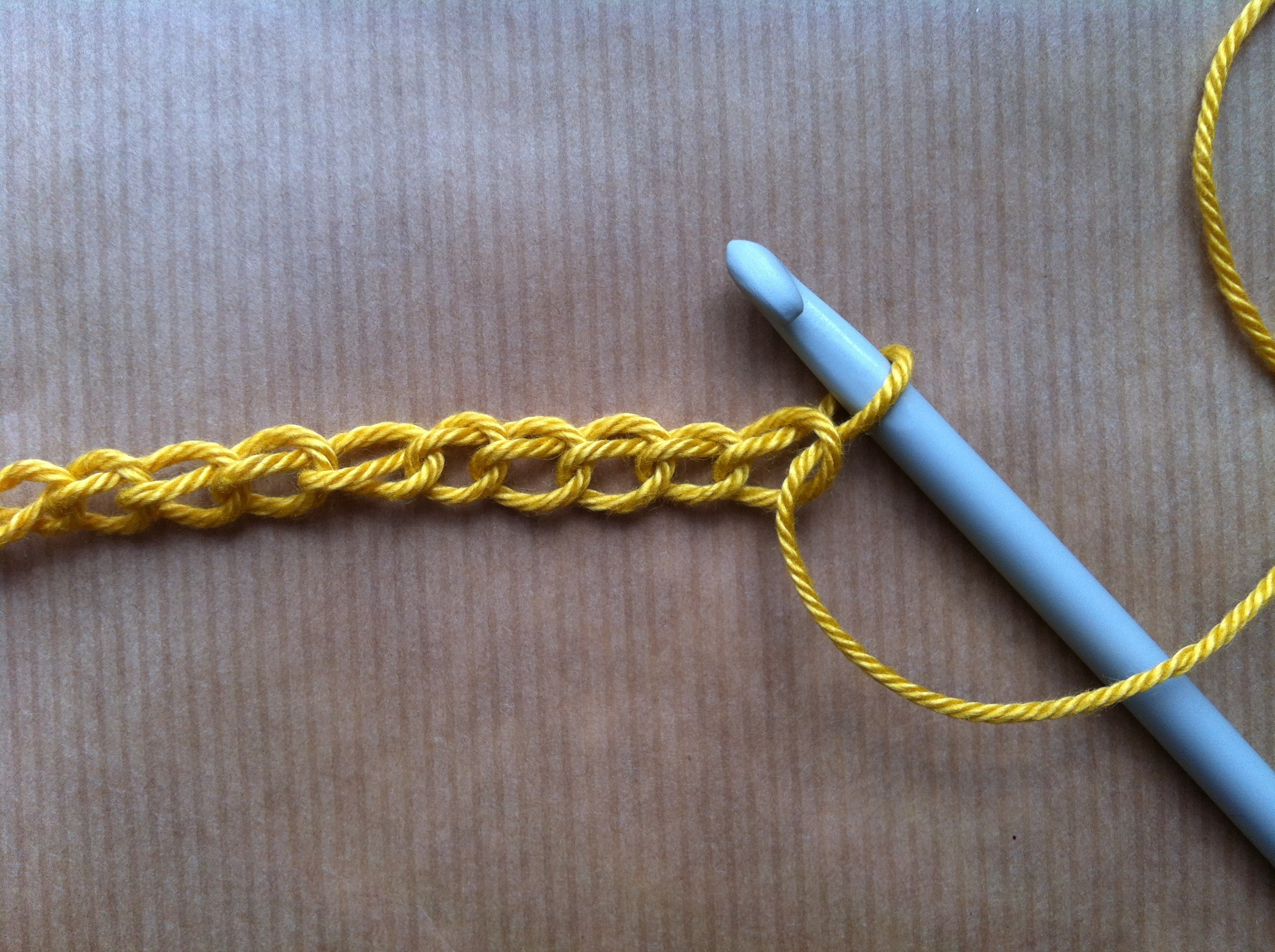
Chain 30. You can chain more if you have a long hook or less if you are using a regular hook, it is not important for the purpose of this tutorial. You should note that unlike regular crochet, in tunisian crochet there is no turning chain. So if you need 30 stitches you should make 30 chains. Simple, no?
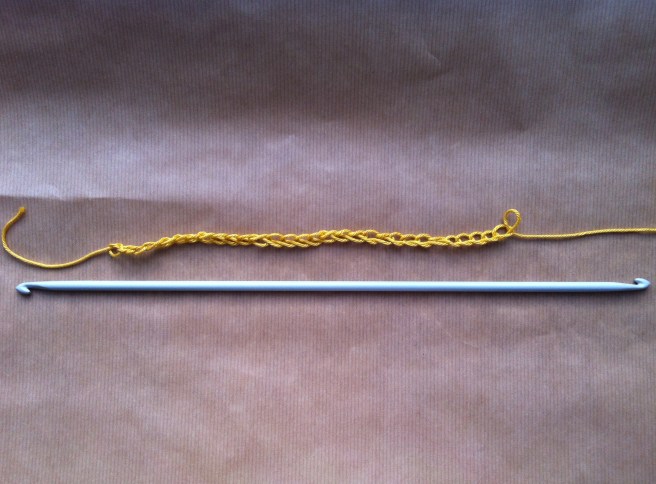
IMG_2470

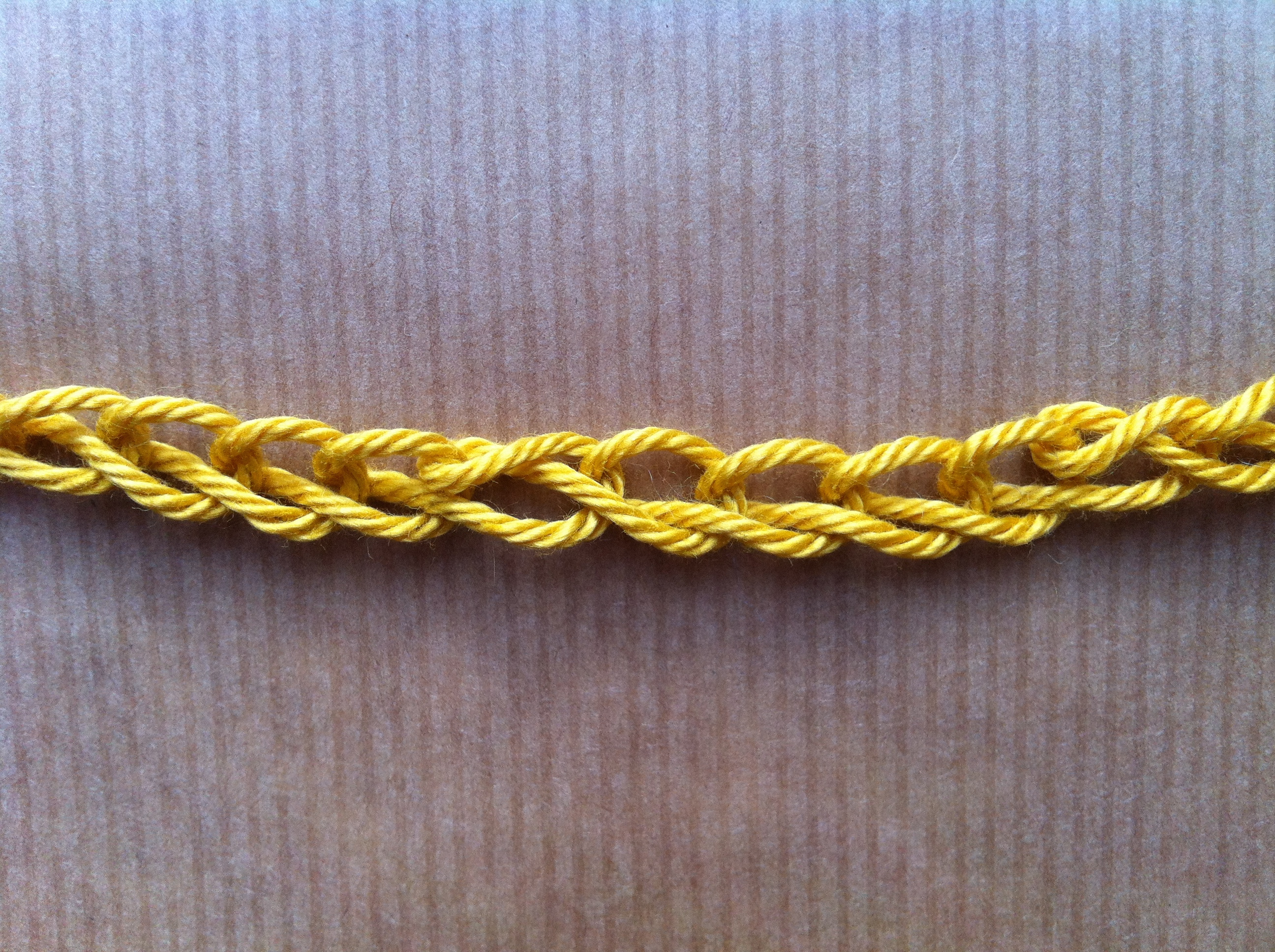
Now let’s take a look at that chain for a minute. A chain actually has two “sides” to it, and each chain stitch is made up of 3 strands. What I would call the front of the chain is where you see the two strands that look like, well like a chain 🙂 as in the picture below.

IMG_2471

If you turn it around you will get the “back of the chain” as in the picture below. Now, the back has one these strands that are like bumps, a friend of mine once called it the “spine of the chain” and I think that is quite a good name actually.

IMG_2473

So why all this talk about the anatomy of a chain? Well because we will use those back bumps to start our foundation row. To be honest, you could start your foundation row using any of the 3 strands that make a chain stitch (the two on the sides and the bump on the back) and you are welcome to try them out but I recommend using the back bump. It gives a nicer edge and it helps a bit with the curling that happens with tunisian. So, if you have your front side of the chain looking at you as in the picture below…

IMG_2474

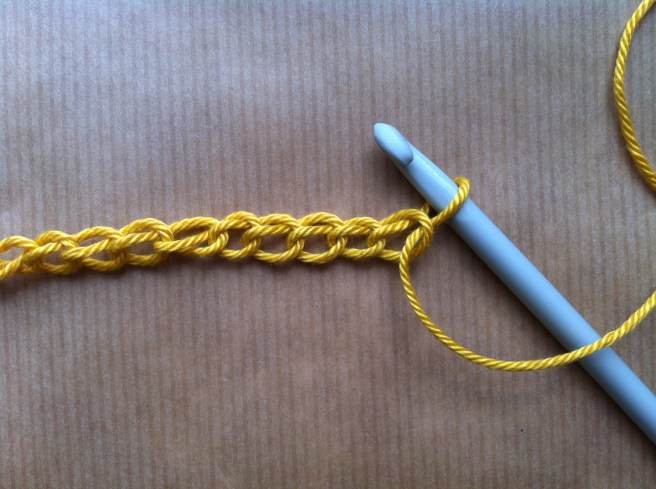
…turn the chain around so that the back bumps are facing you.
IMG_2475

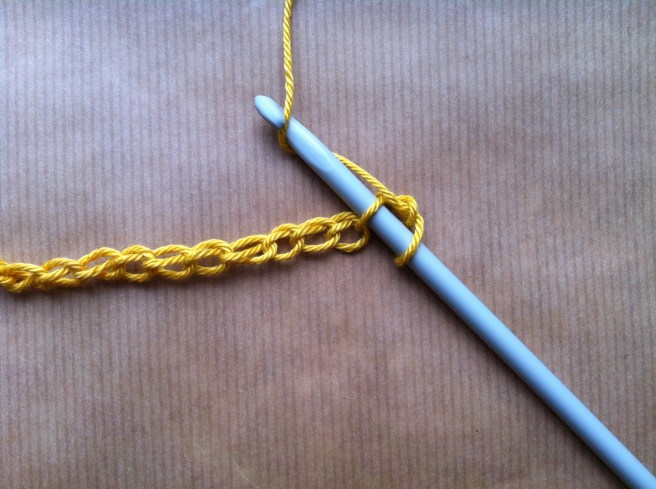
Now we begin the forward pass of our foundation row. Remember each row in tunisian crochet has two steps: a forward pass where you pick up stitches and a return pass where you work them off. So it should be no surprise that the foundation row must also have a forward pass and a return pass. One last advice before beginning: be very loose! Tension is quite important with tunisian, and being loose will mean less curling of the fabric and it will be easier to work the stitches. So, skip the first chain (the one closest to the hook) and insert the hook under the back bump of the next chain (second chain).

IMG_2478

Yarn over and pull through one loop on the hook. You will now have two loops on your hook.
IMG_2479

IMG_2480

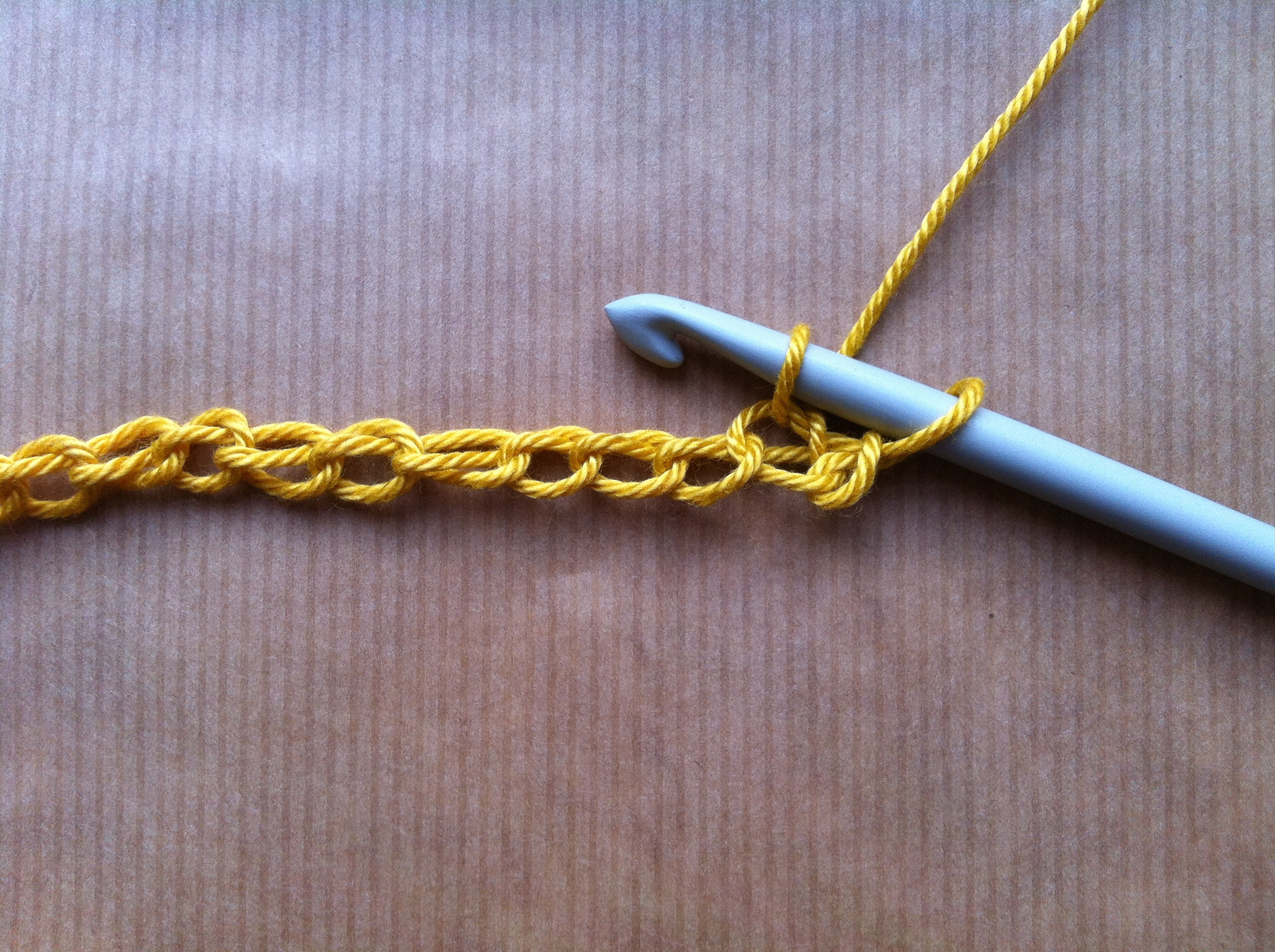
Continue with the next chain in the same way: insert the hook under back bump, yarn over and pull up a loop, until the last chain. In tunisian crochet each loop on the hook is a stitch, so once you reach the end you should have as many loops in your hook as the amount of chains you made. In my case, I have 30 loops since I had 30 chains.

IMG_2481

Do you see that the bottom edge looks quite nice? That is because we worked the back bump of the chain. You may also see already some of that curling I mentioned if the edge is looking at you instead of looking down as in the picture below. Remember to crochet loosely, it will make your life easier while learning.
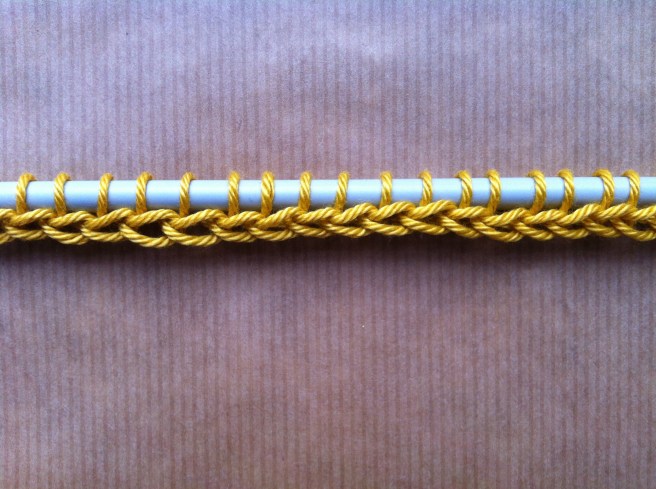
IMG_2483

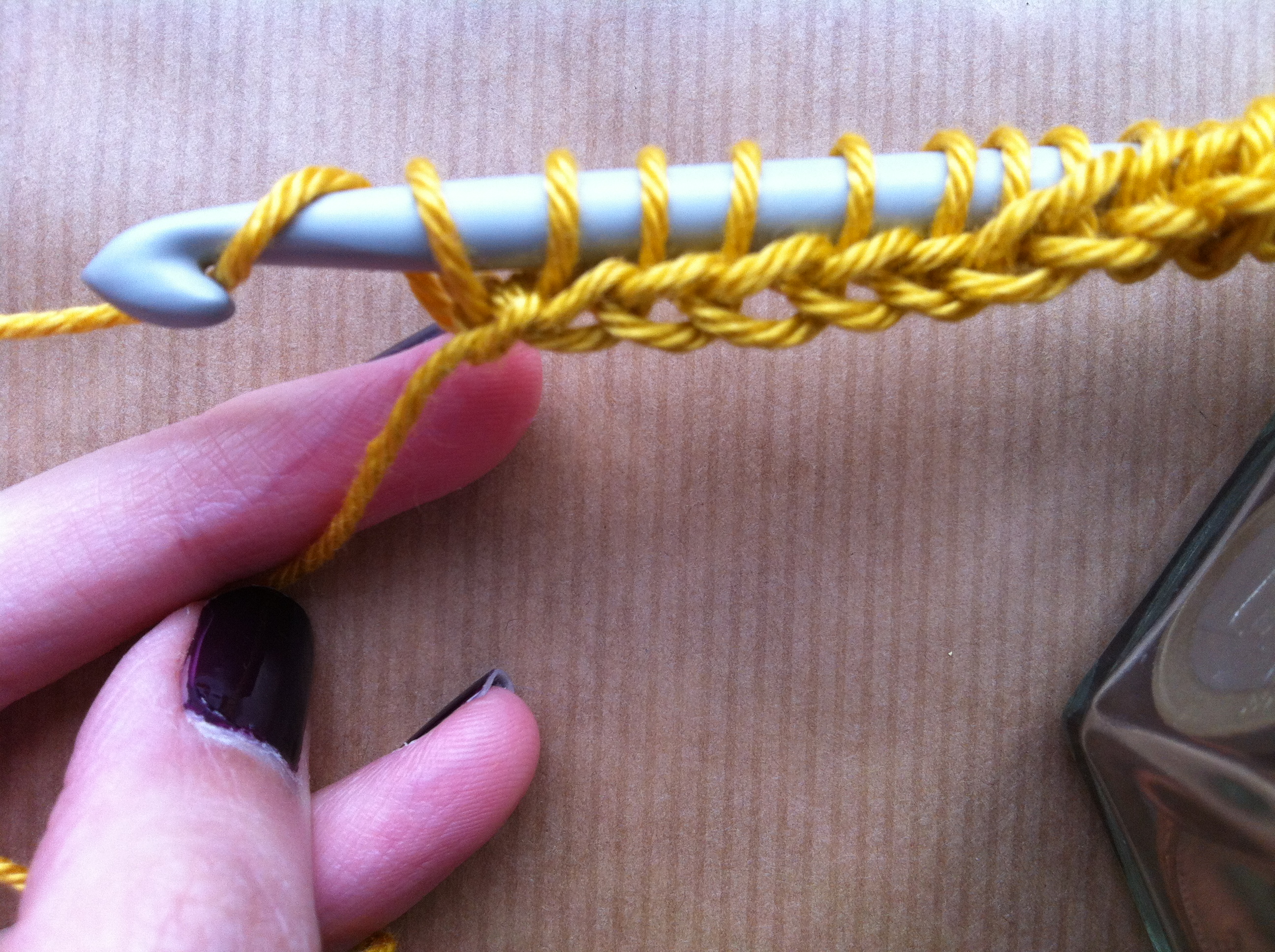
So forward pass done, now we have to work the return pass. The beauty of the return pass is that it is always the same no matter what stitch you work (again, at least for the stitches I have used). You start with yarn over and pull through ONE loop on the hook.
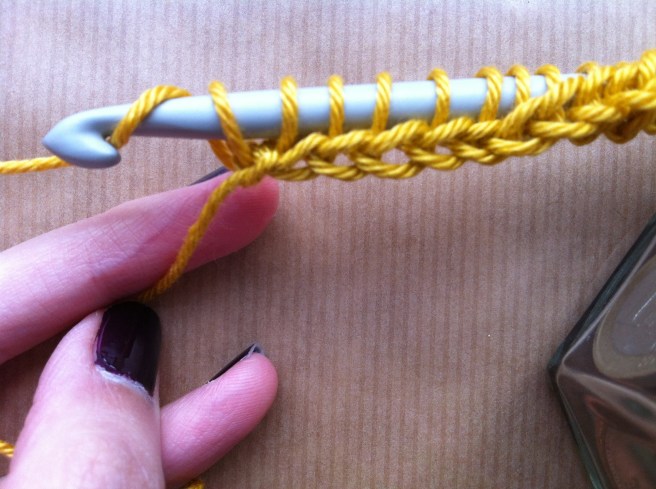
IMG_2485

IMG_2487

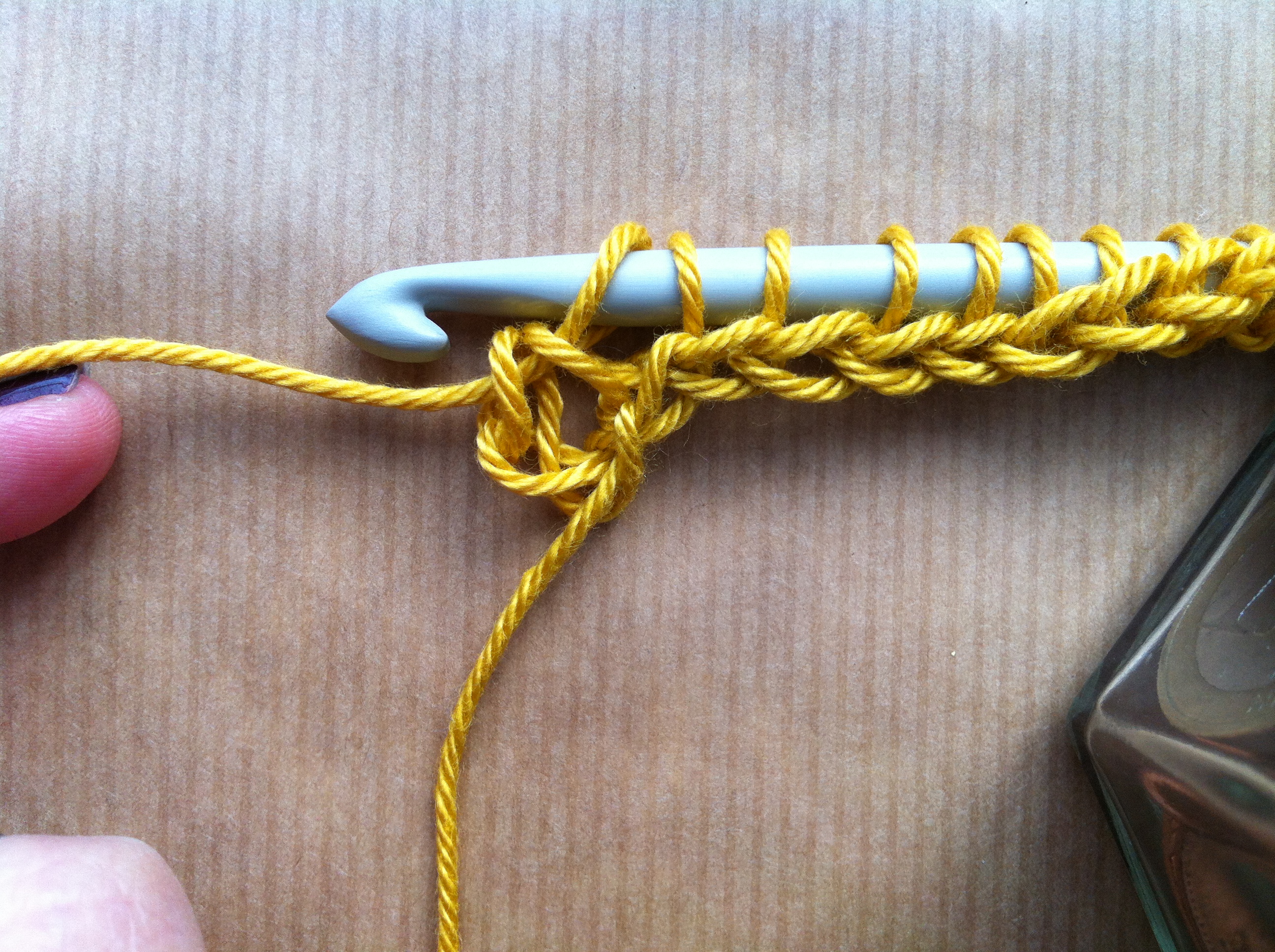
Now yarn over and pull through TWO loops on the hook.
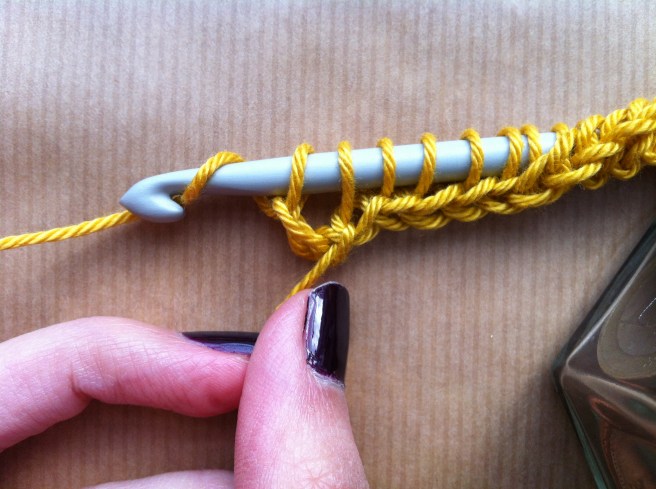
IMG_2489

IMG_2490

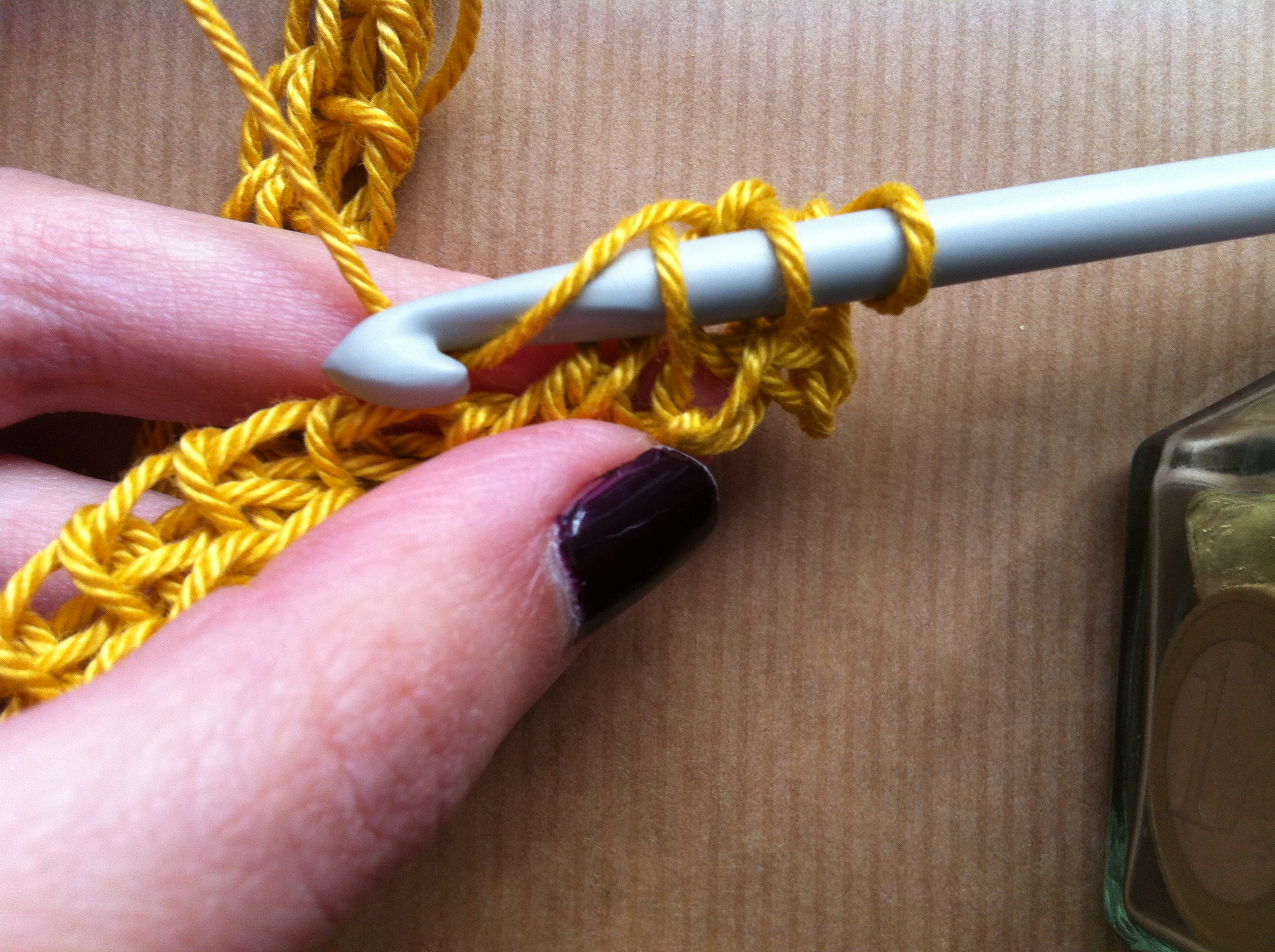
Yarn over and pull through two loops, yarn over pull through two loops… all the way to the end until you are left with one loop on your hook.

IMG_2491

IMG_2492

Foundation row finished!

Before we move on there are a few things you should note. First, the row you have done is an undefined row, meaning it is still not any particular stitch. With tunisian crochet a row is only defined once you start working into it, which you do in the next row. I know, it’s a bit confusing but trust me, you will see what I mean soon. All you need to understand for now is that this is an “embryo” row at the moment, and it won’t be a Tss row until you define it as such on the next row.

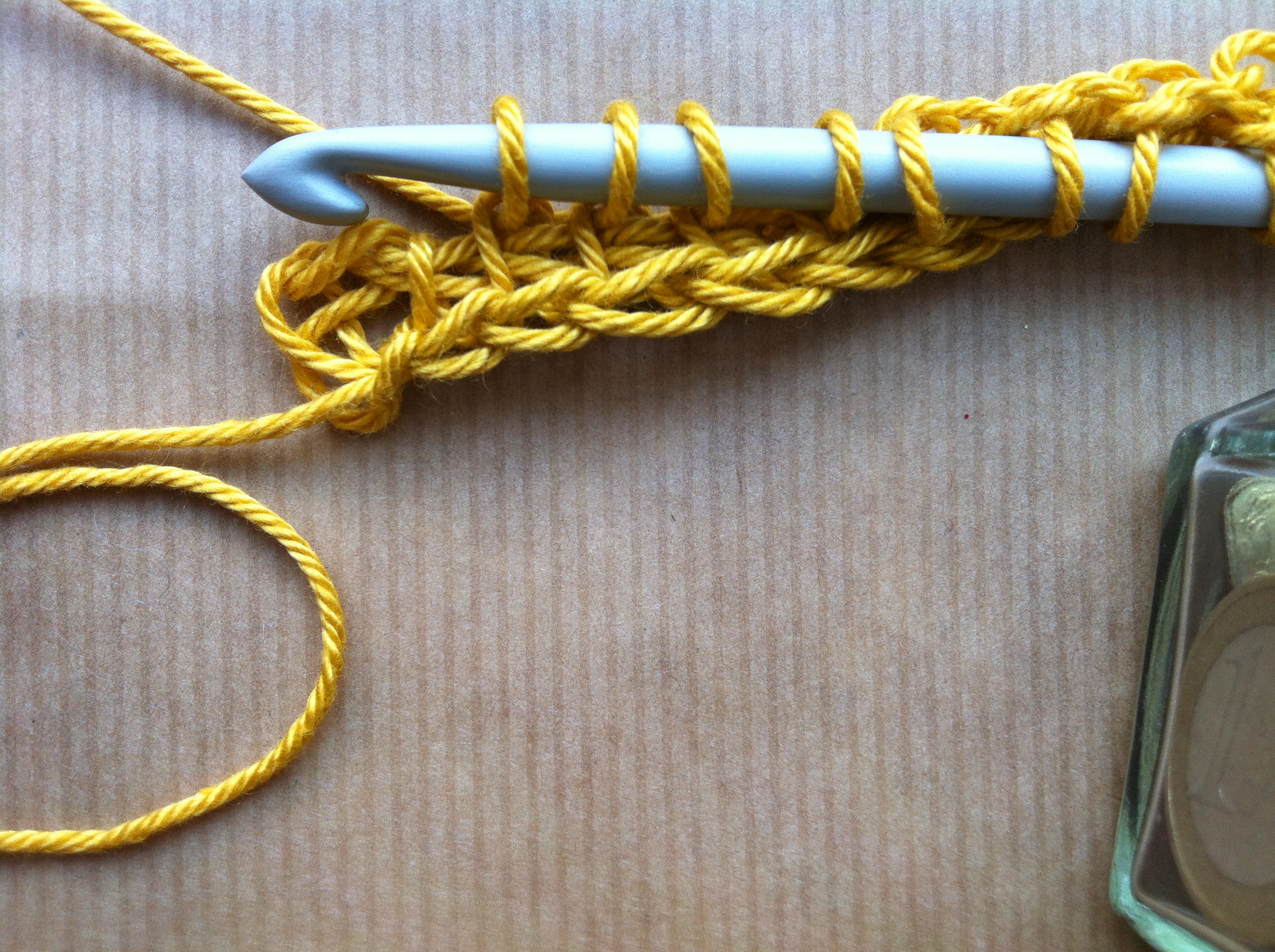
Second, tunisian stitches are defined depending on where you insert your hook, so let’s look at this undefined row a bit more closely. The first thing you see are the front vertical bars, which are quite easy to identify. There are also back vertical bars, which are right behind the front ones. Finally there is a sort of horizontal chain going through inside the stitches, which is the result of the return pass.

The first vertical bar is actually the first stitch, and note that it looks a bit larger than the rest of its sibling vertical bars. This can be easily fixed so that you don’t get the right side of your work much larger than the left side, I will go into this a bit further in the tutorial.

IMG_2495

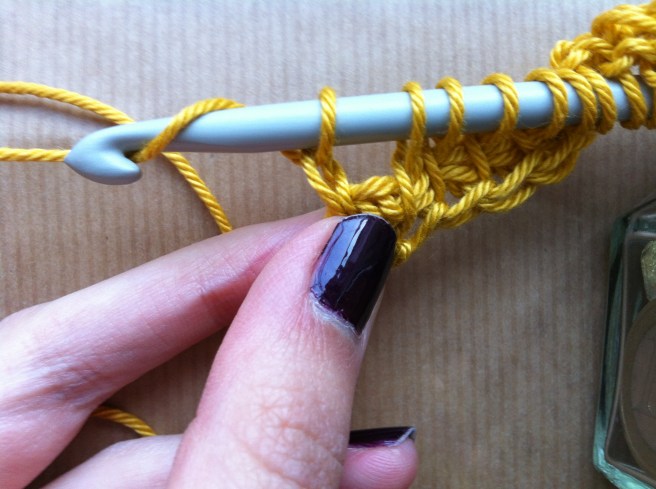
Now you are ready for the next row, which will be done working tunisian simple stitch, but remember that it will define the first row we have now as a tunisian simple stitch row and not the second one. As usual we will have a forward pass and a return pass. To work the front pass of tunisian simple stitch (Tss) you need to identify the front vertical bars. You ALWAYS skip the first vertical bar (first stitch), no matter what stitch you are doing. So look for the second one which is the one the hook is pointing at in the picture below.

IMG_2497

Insert your hook from right to left under the front vertical bar.

IMG_2499

IMG_2500

Yarn over and pull through one loop on hook.
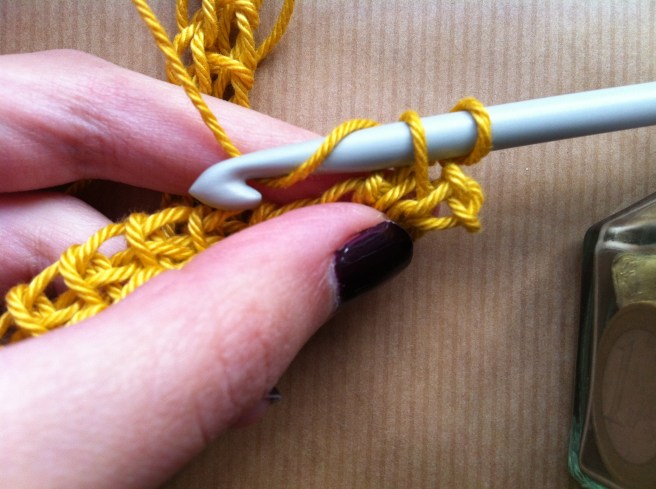
IMG_2501

IMG_2502

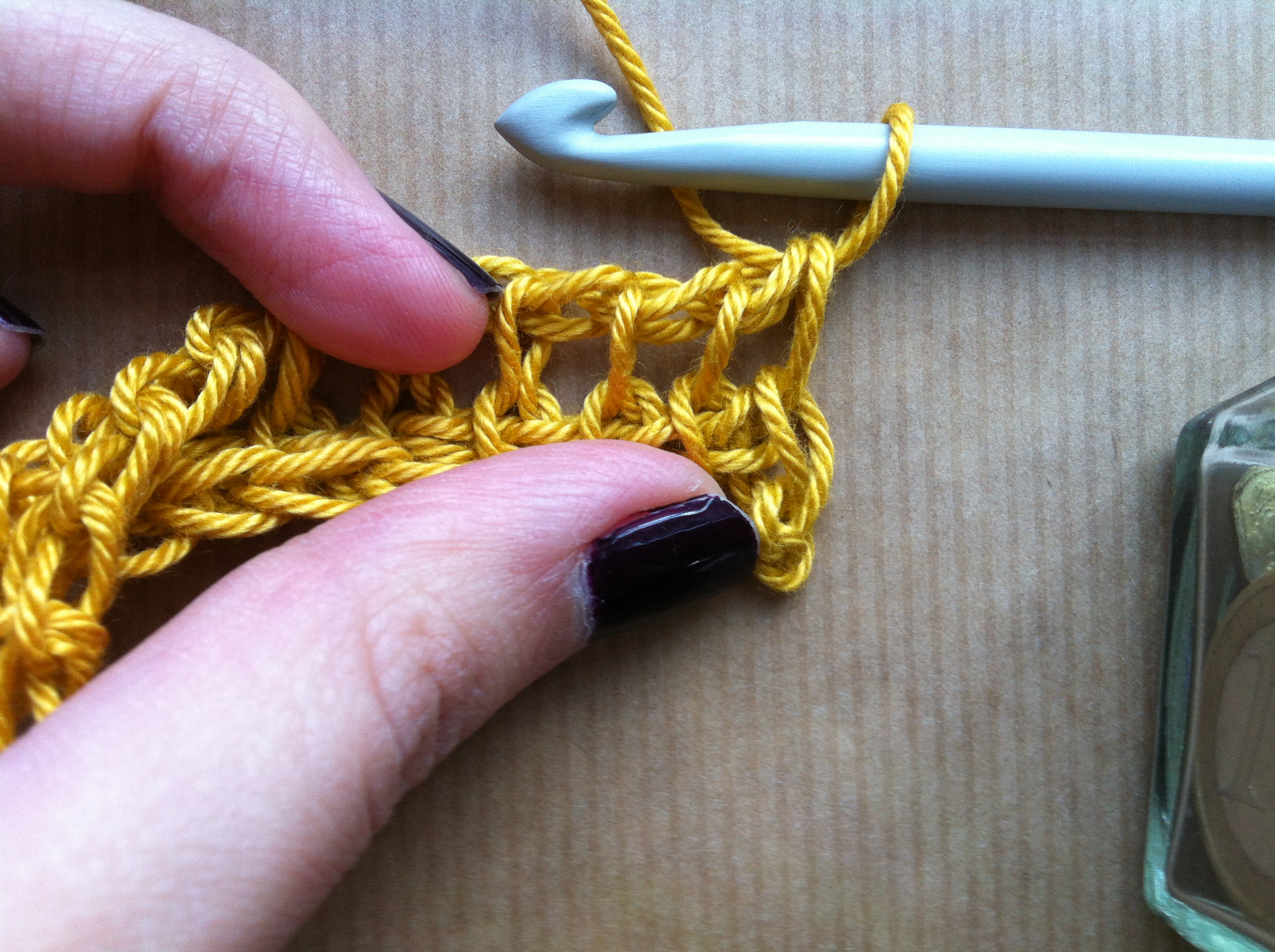
Tss done! Now continue to the next vertical bar, which I am pointing at with that horrible nail (apologise for my horrible manicure!)
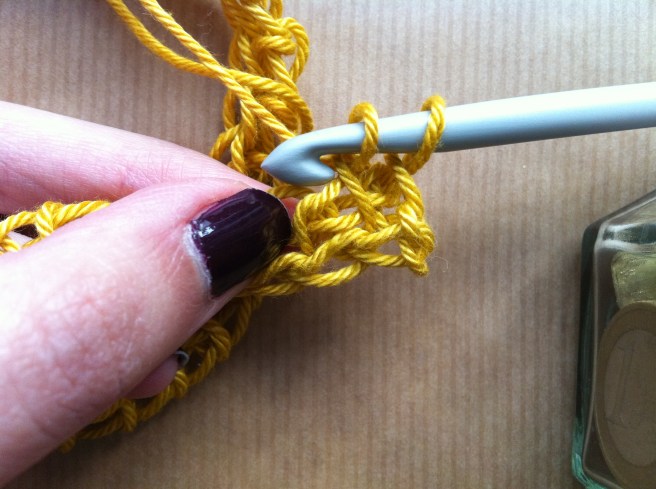
IMG_2503

Just like before, insert hook from right to left under front vertical bar, yarn over and pull up a loop.
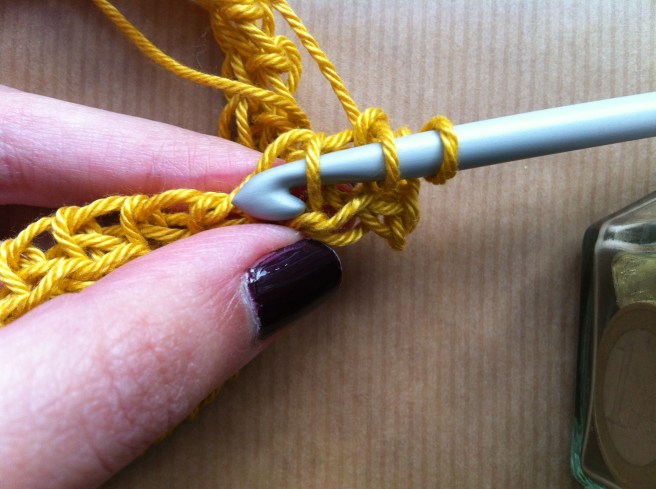
IMG_2504

IMG_2505

IMG_2506

Continue this way until the last two stitches, like the picture below.

IMG_2509

The stitch before last is worked normally (the one I am pointing), insert hook under front vertical bar, yarn over and pull up a loop.

IMG_2510

The last stitch is worked differently, and it is always worked the same no matter what type of stitch you are using. It has, like all the other stitches, a front vertical bar (the one I am pointing on the picture below) but we won’t work it like the other stitches.
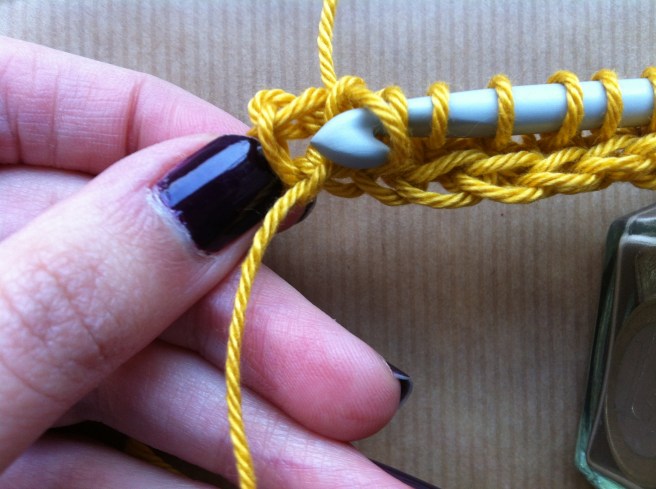
IMG_2511

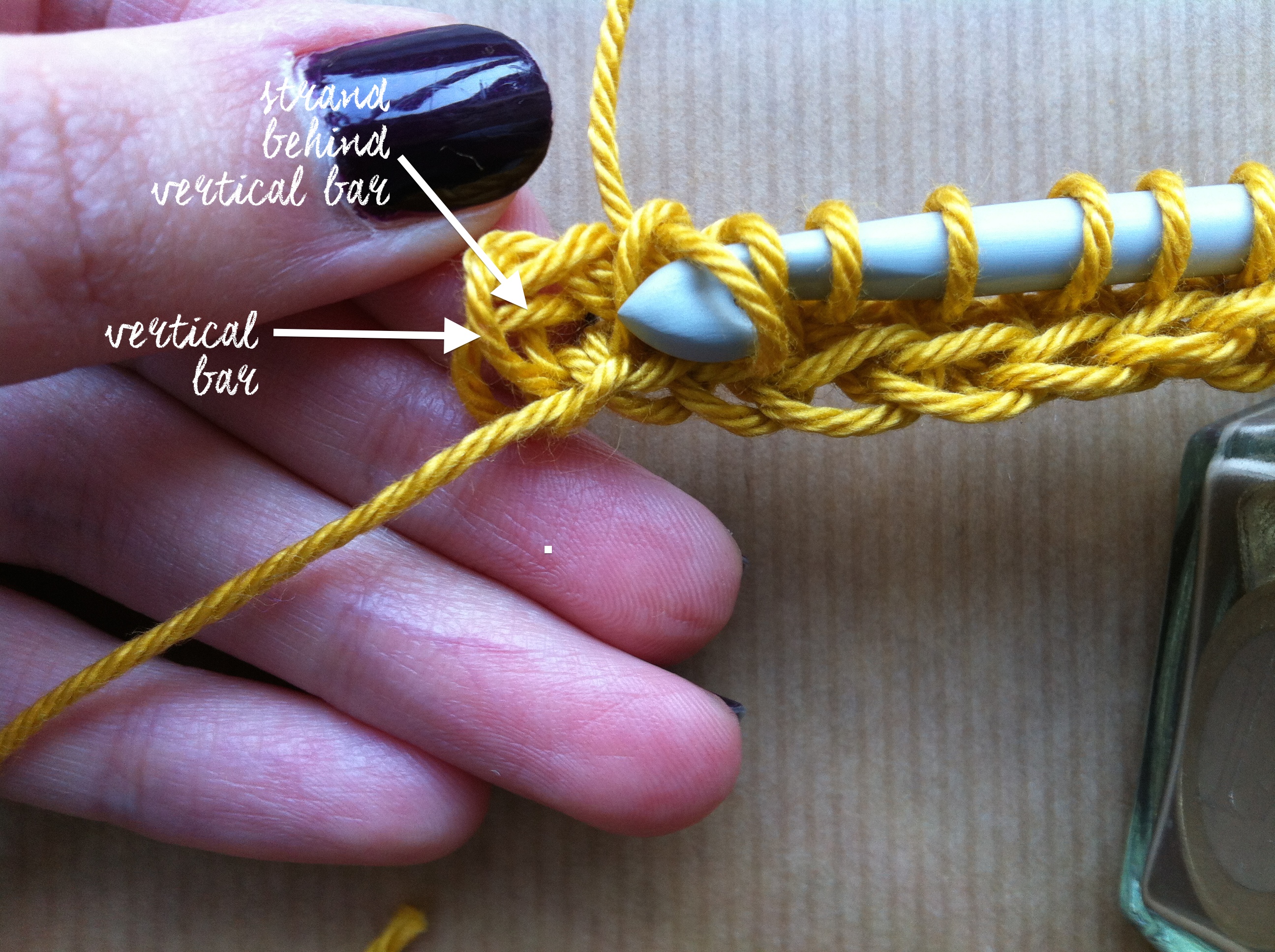
It is harder to see on this first row, but behind the front vertical bar of the last stitch there is a strand that later curves to the right and looks like an inverted “L”. For the last stitch you will insert your hook under both strands: the vertical bar and the one behind it.

IMG_2512

IMG_2513

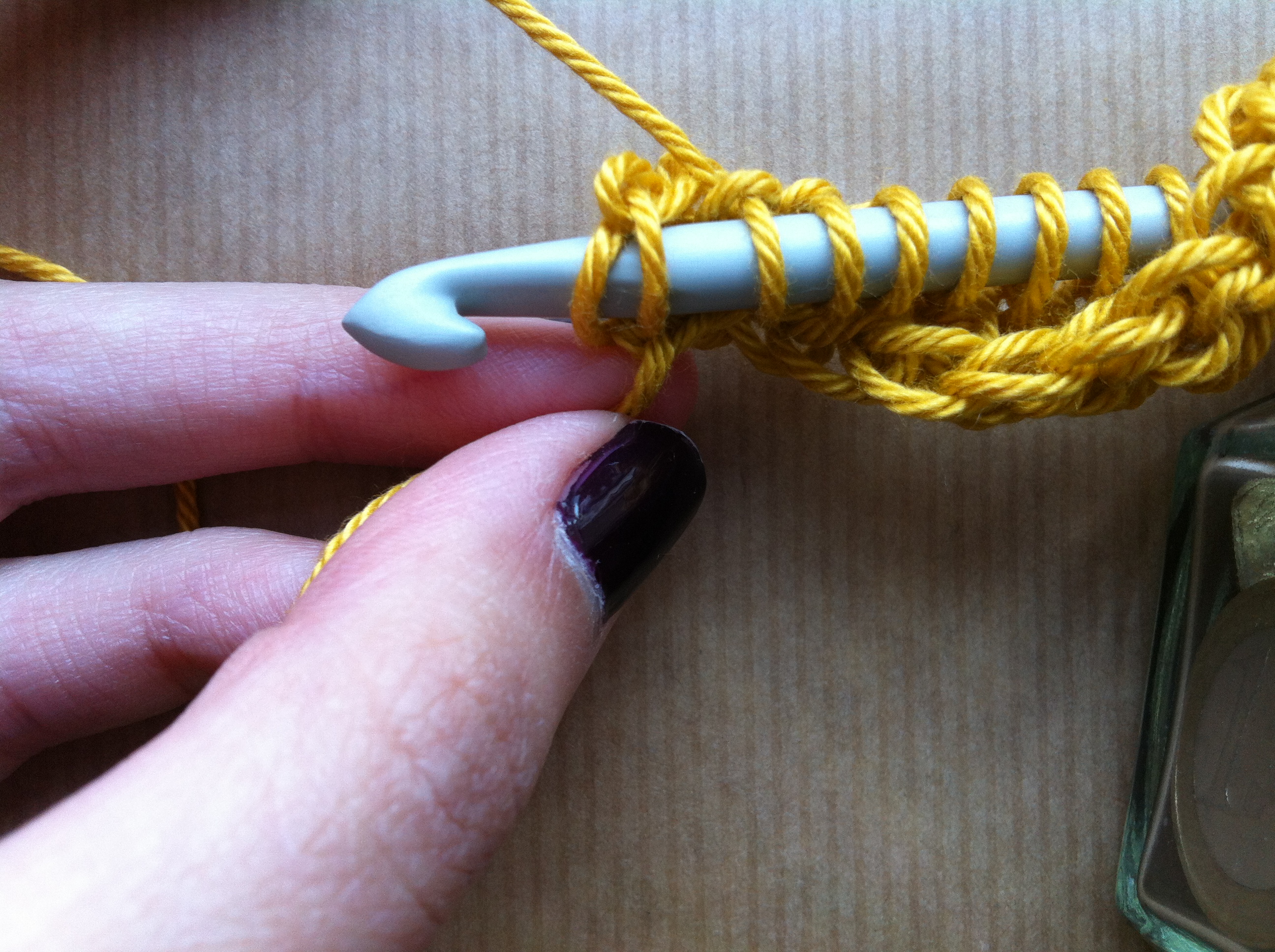
Yarn over and pull through two loops. Last stitch and forward pass finished. If that last stitch was a bit confusing I will show it again for the next row so don’t worry.
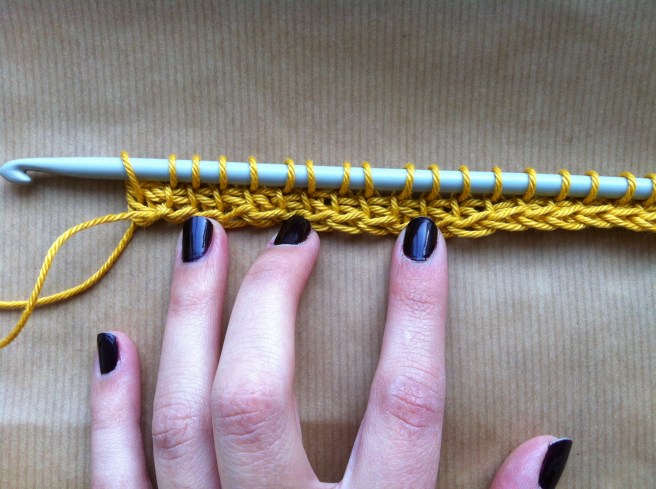
IMG_2514

The return pass is worked as usual. Yarn over and pull through one loop, yarn over and pull through two loops all the way through until you are left with one loop on the hook.

IMG_2516

IMG_2517

IMG_2518

IMG_2519

IMG_2520

If you look at your work now you will see that the first row of the work looks different, it is now defined as a Tss row, the second one is undefined and you should be able to see the difference clearly.

Let’s do one more row in Tss so that we can get that last stitch a bit clearer. Before we begin though, remember when I noted that the first stitch looks a bit looser than the rest? Well you can start fixing that now. Before you begin working a row, make sure to pull the loop on the hook so that it is tighter, this will make that first stitch smaller. Also, remember you ALWAYS skip the first stitch in tunisian crochet.

Skip first st, insert hook from left to right under second vertical bar and pull up a loop. Continue until last stitch. Now identify the vertical bar on the last stitch, and the strand behind it that later turns to the right and appears at the front.

IMG_2522

Insert hook under both strands.

IMG_2524

Yarn over and pull up a loop. Work the return pass normally (yarn over pull through one, yarn over pull through two until the end).

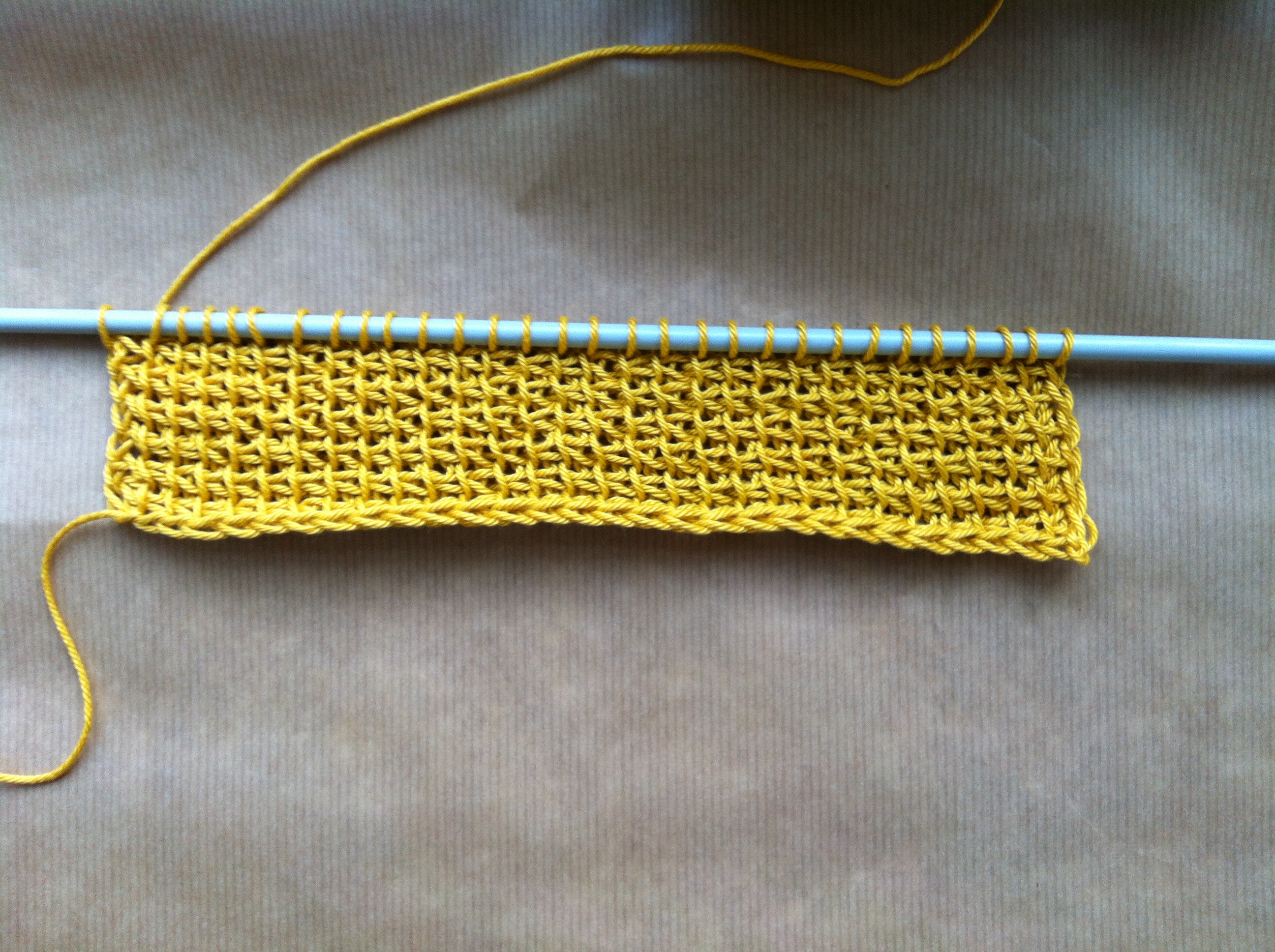
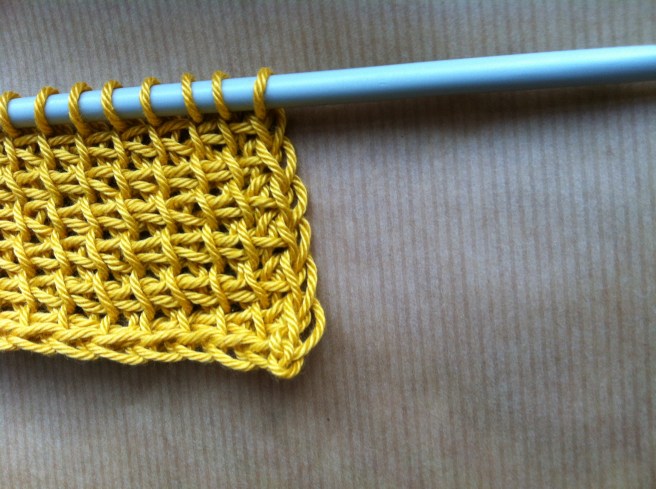
So that is all you need to know for Tss guys, I would recommend you to do as many rows you need until you feel comfortable with it. This is how my sample looks after a few rows.

IMG_2526

It does curl, so don’t worry about this. One last thing, look at the right edge. I started with that big first stitch on the first row and look at the difference once you start pulling the loop on the hook before starting a row, much neater! You can avoid that first big stitch by pulling hard on the loop before picking up stitches on your chain, but have done it here so that you can see the difference.
IMG_2527

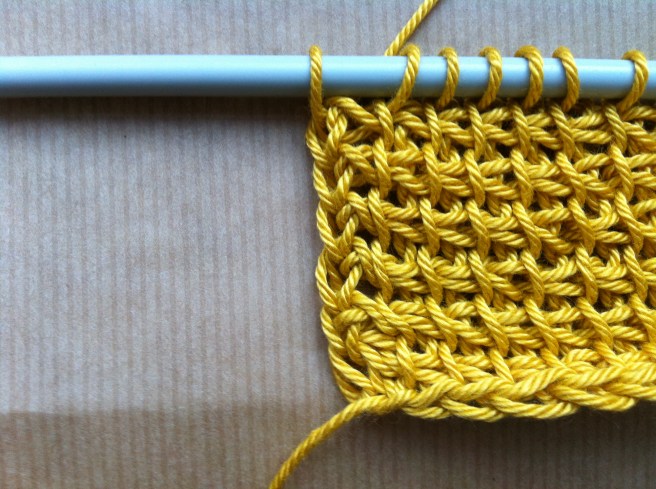
The left edge will have that nice chain-looking finish if you are going through the two strands on that last stitch.
IMG_2528

And that my dear readers is the end of this tutorial 🙂 I will add a stitch guide at the end of each tutorial with the stitches we have learned. Please let me know if you have any questions, will be back soon with another stitch!

IMG_2529

Stitch Guide

Foundation Row – Forward Pass: Chain number of stitches needed. Skip first chain, insert hook under back strand of next chain, yarn over and pull up a loop. Repeat until last chain.

Return Pass: Yarn over pull through one loop on hook, yarn over and pull through two loops on hook until you have one loop left on hook.

Last stitch of any forward pass: Insert hook under last vertical bar and strand behind it, yarn over and pull up a loop.

Tunisian Simple Stitch: Skip first st, insert hook from right to left under next front vertical bar, yarn over and pull up a loop until last stitch, work last stitch normally. Work return pass normally.

x

Sol
Busy times

unnamed

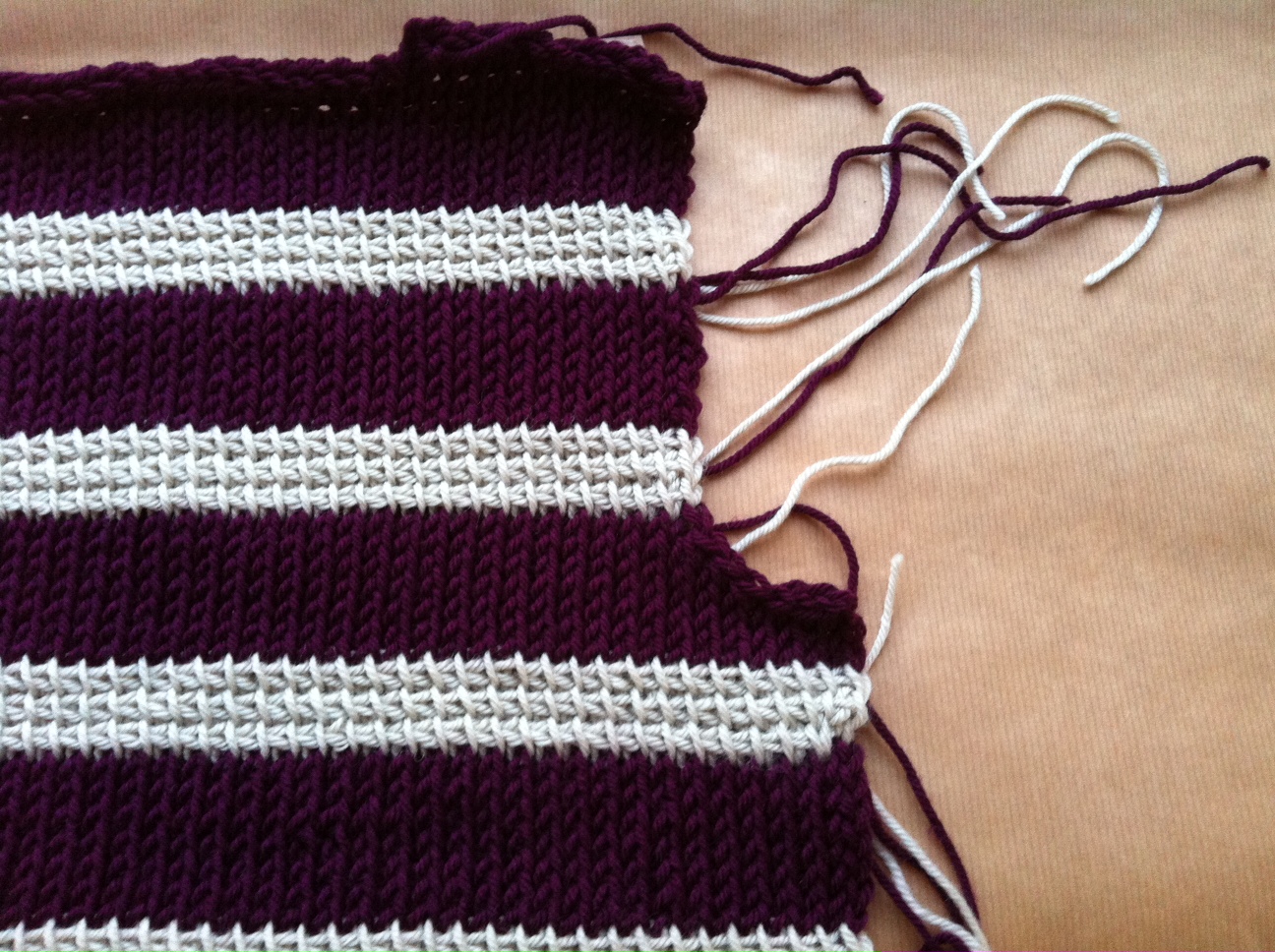
Hello everyone, how are you? Hope all is good 🙂 Life here has been quite busy, which is why I haven’t posted very often so apologise for that. Because of a project that just started at work I have to be most of the week away from home and this will go on for the next few months.

It has been quite hard to get used to lonely hotel rooms and life away from home and my partner in general, and I have to admit that when I get back from work, late and tired, I just want to get into bed and watch something on TV. This is why the blog has been neglected a little bit since I only work on it when I have some spare time on the weekends. I will definitely keep posting, though it will probably be only once a week. Tunisian crochet tutorials are coming along so don’t worry those will start soon!

I started working on a new beginners’s tunisian pattern for the train rides and it has really cheered me up. I am not sure about the colours or the yarn weight and I think I will definitely do another attempt after I finish the first sample, but it is so easy, cosy and relaxing that it has really put a smile on my face on these days away from home. It’s amazing what some yarn and a hook can do! I think crochet is not only good for your health, but good for your soul too 🙂

Hope you are having a great week, will be back soon!

x

Sol

Tunisian Crochet 101: Introduction and Tools

double ended hook

Welcome to a new series of posts to share the love of Tunisian Crochet! This post will give you a short introduction to this technique and show you the different tools you can use. I will also let you know the materials you will need to follow the upcoming tutorials for tunisian stitches.

So what is Tunisian Crochet? Many people say it is the perfect combination between knitting and crochet and it definitely has a bit a both. It is worked using a hook but you pick up stitches and collect them on the hook like knitting.

bernhard64-afghan-stitch

Before I go into more detail, let’s look at the history of this technique. I did some research and it looks like no one really knows where or when tunisian crochet came to exist, but only that it was practiced in Western Europe and the British Isles in the mid-nineteenth century. There are theories that it originated from Africa or Central Asia but nothing is for sure. The name “Tunisian Crochet” apparently was given by the French and may not be an indication that there is any relation to Tunisia. To make things more complicated, this technique is known by different names such as Afghan crochet, tricot crochet, railroad knitting and Sheperd’s knitting. Tunisian Crochet seemed to lose popularity and went off the radar after the 1930s and it is now experiencing a comeback.

winter nocturne
Winter Nocturne Shawl by Yuliya Tkacheva

We will go into the detail of the stitches in the tutorials but here are some basic facts about tunisian crochet:

  • It is worked in two steps: the forward pass and the return pass. You pick up stitches and leave them on your hook in the forward pass and you work them off in the return pass.
  • You don’t turn your work when doing tunisian crochet, the front is always facing you.
  • The front and back of the fabric are different when working tunisian stitches. This doesn’t mean that you get an ugly back to your work, just that it is different to the front.
  • You should use a bigger hook than the recommended size for a specific weight of yarn, usually two sizes bigger. For example, if you have a DK yarn that calls for a 4mm hook, you should use a 6mm when working tunisian.
  • The only thing you need to master before starting tunisian is how to crochet a chain.
  • Tunisian fabric can be dense and heavy, or light and airy. It all depends on the stitches you use and the weight of your yarn.
  • You can mix tunisian crochet and regular crochet in one project very easily.
Cirque Cardigan by Dora Ohrenstein. © Interweave Crochet 2014

What tools do you need? Hooks of course! I am sure you will be wondering if you can use regular hooks and the answer is: it depends. Some designers like Aoibhe Ni produce patterns that allow you to use normal hooks as long as the shaft is the same size throughout (it doesn’t widen in the middle). But generally this is not the case, and most patterns will require a tunisian hook. Since you pick up stitches and keep them on the hook you can crochet a piece as wide as the amount of stitches that will fit on it, which will be wider than the hook but not much wider. This the reason why tunisian hooks are usually 30cm or longer if using cables.

Let’s look at the types of tunisian hooks:

  • Tunisian hook with stopper: This is basically a straight knitting needle which instead of ending in a point it ends with a hook. The stopper keeps the stitches from falling off the other side, they are usually around 30cm long which makes them a good size for scarves and cowls.

hook stopper


  • Double ended tunisian hook: these have hooks on both sides. You can use them the same way as the ones with the stopper (just with a bit more attention to not loose stitches) but they also allow you to do tunisian crochet in the round.

double ended hook


  • Tunisian hook with extension: These hooks allow you to attach a cord to a 15cm hook to make it as long as 1.5m or even longer. It is the same concept of interchangeable needles but with hooks. The cable ends in a stopper which prevents the stitches from falling off.

interchangeable hooks

So which ones should you get?  Well, if you don’t want to spend too much money I would go for the double ended hooks. They have the same use as the ones with the stopper but they give you the possibility of working in the round if you ever wished to try it out. However, if you have wrist or shoulder pain when crocheting and can spend a bit more money I recommend buying the interchangeable hooks. I suffer from shoulder pain when crocheting and I have to say with tunisian crochet its worse because the hook is heavier and you keep the loops on the hook which makes it heavier still. Interchangeable hooks are much lighter and have given me no problems since I started using them. if you want to check them out Knit Pro and Aldi have some good ones in plastic and bamboo which are sold by sets so that it ends up a bit cheaper.

What do you need to follow the tutorials? I have been scratching my head to figure out how to make this as accessible and useful as possible, and have decided a few things:

  • We will do a stitch sampler, adding one stitch per tutorial to the sampler. I thought at first to write up a pattern so that the finished product had a use but decided that the whole point of this is to learn and you can keep the stitch sampler to go back to whenever you want to remember how a stitch looks like and how it behaves compared to others.  If I were to do a pattern I would choose stitches that work with each other and would skip others and that is not the point.
  • It would be ideal if you can get a 30 cm tunisian hook but it is not strictly necessary. You can still do your sampler in a normal hook (with a straight shaft) but it will be a narrower sampler of course of about 10-15 stitches and you will want to add more rows for each stitch so that you can practice them enough times.
  • It would be ideal to work with a yarn that is DK or heavier, this will make the stitches easier to work into. Remember you need a hook 2 sizes bigger than the size the yarn calls for.

So in summary you will need:

  • 30cm tunisian hook if possible, or normal hook with straight shaft. It should be 6mm if using a DK yarn, or two sizes bigger than the normal size required for your yarn.
  • Yarn DK or heavier, in 2 colours (we will learn to change colours as well). Something nice and sturdy would be ideal, but that it doesn’t split easily. Use light colours so that you can see the stitches better.

That is is for now, I will be back soon with the first tutorial so stay tuned!

x

Sol

Free Xmas Pattern and Tutorial: Mini Fair Isle Hats

photo 4

*Ravelry link*

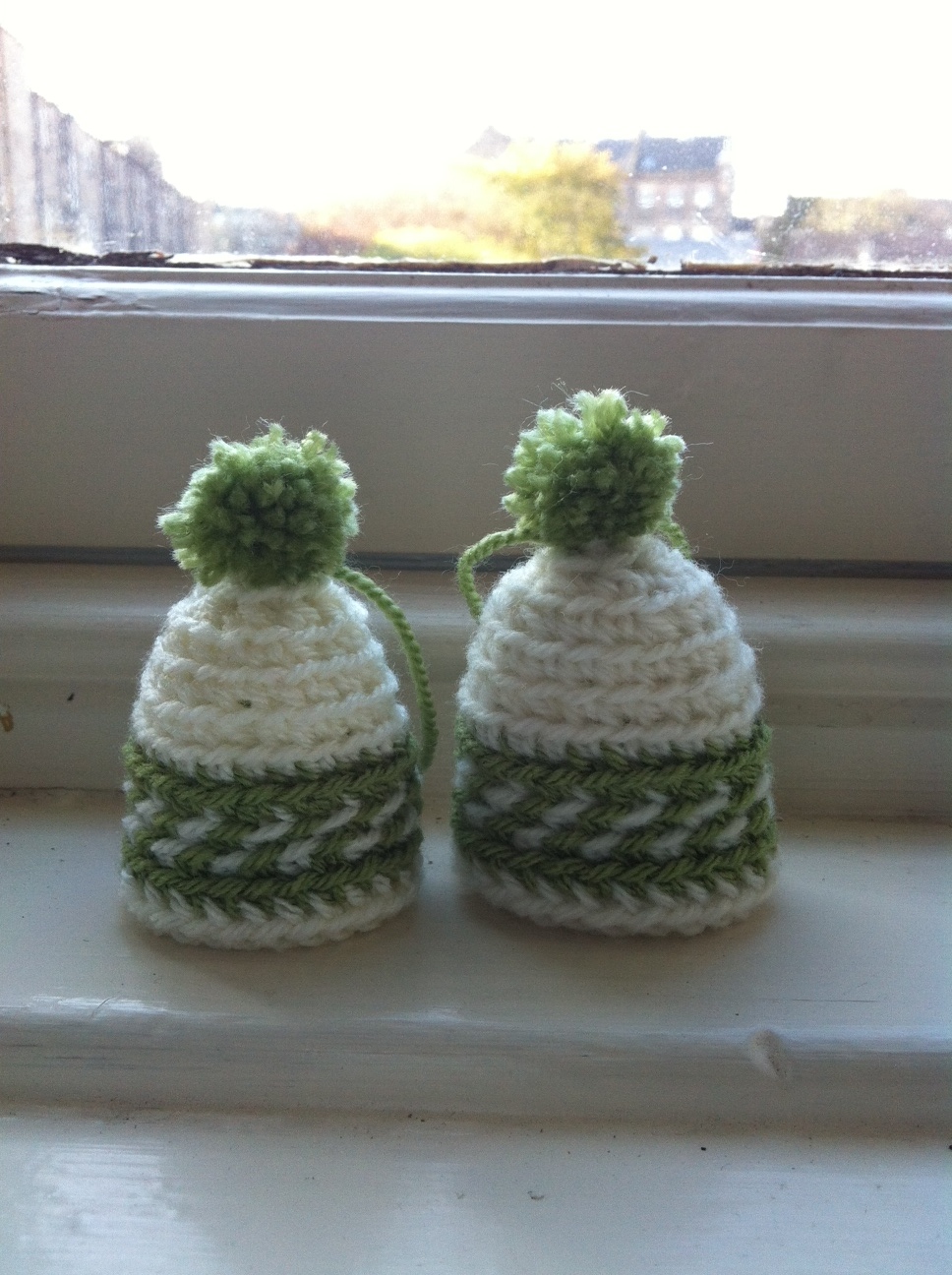
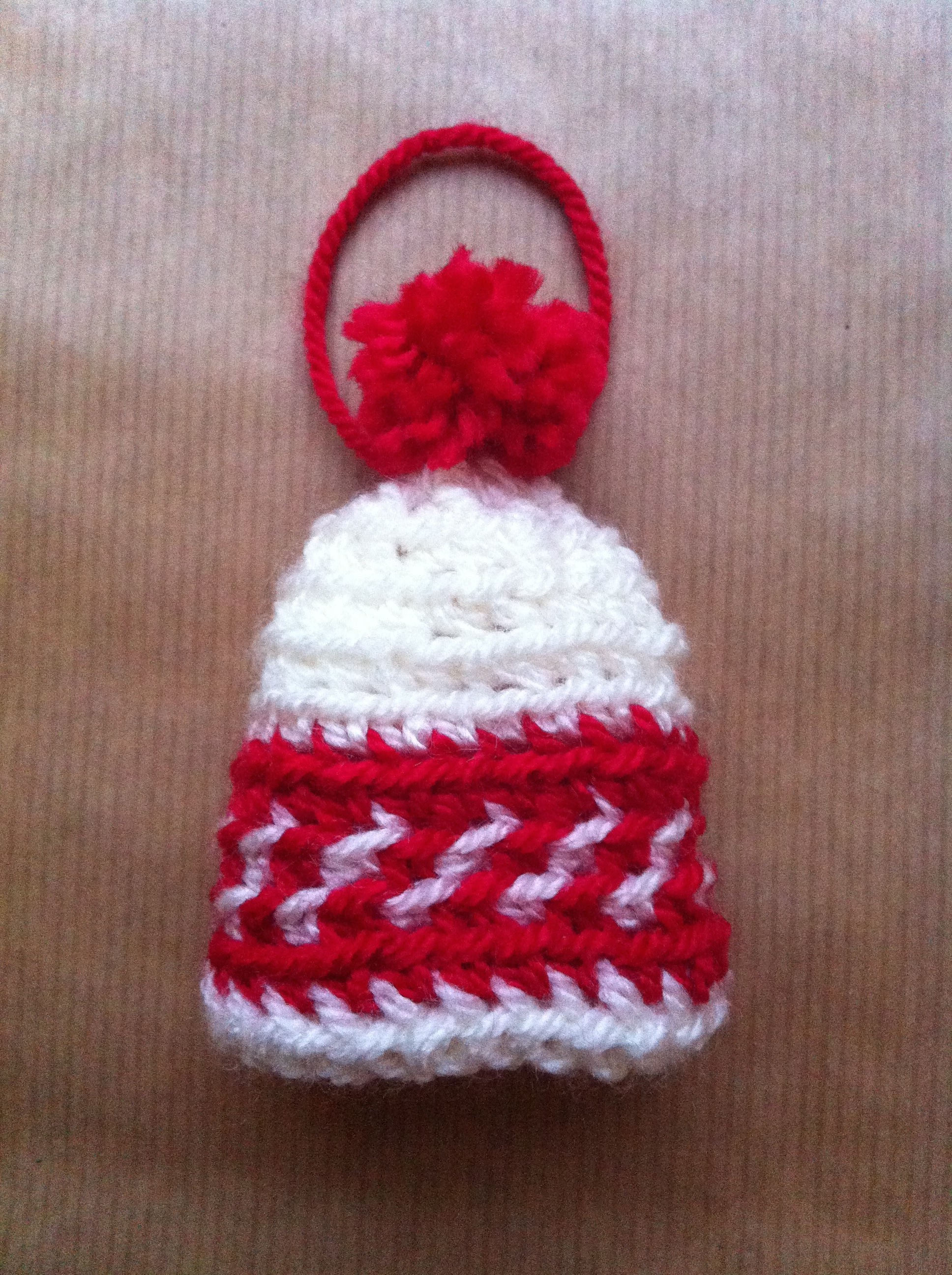
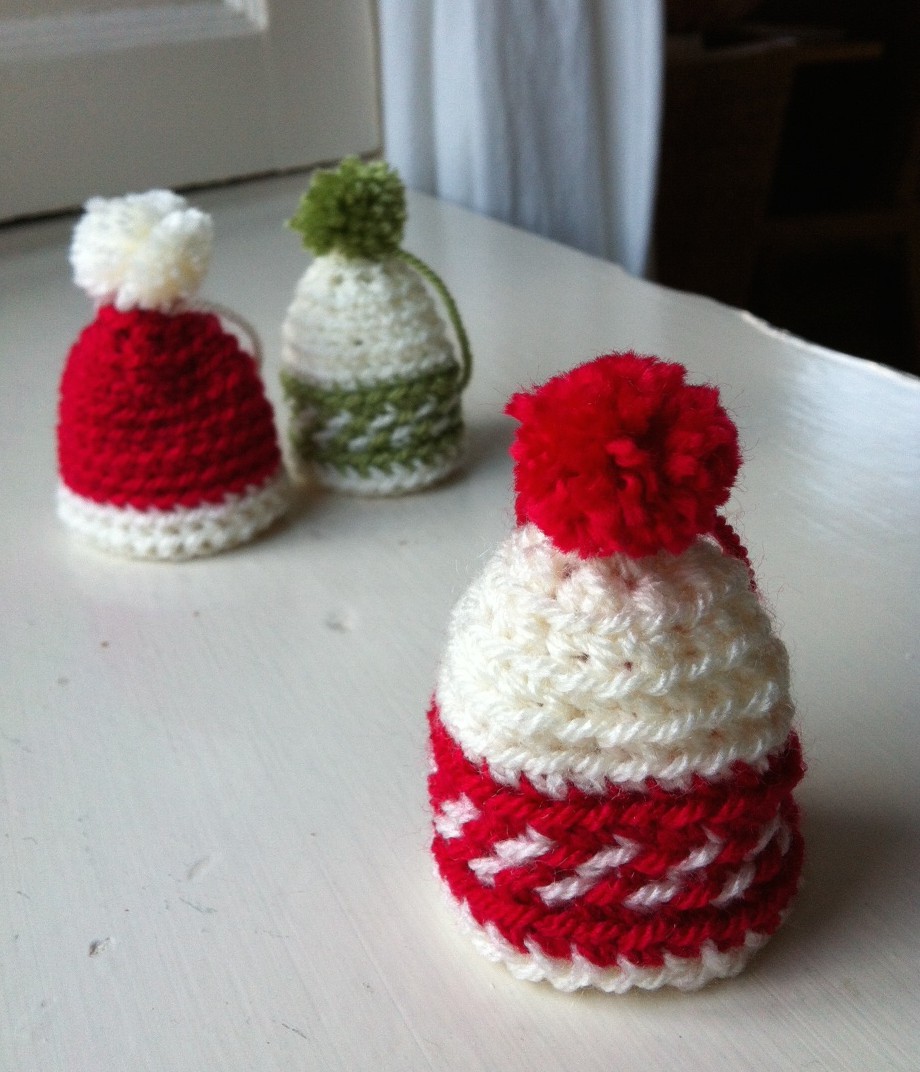
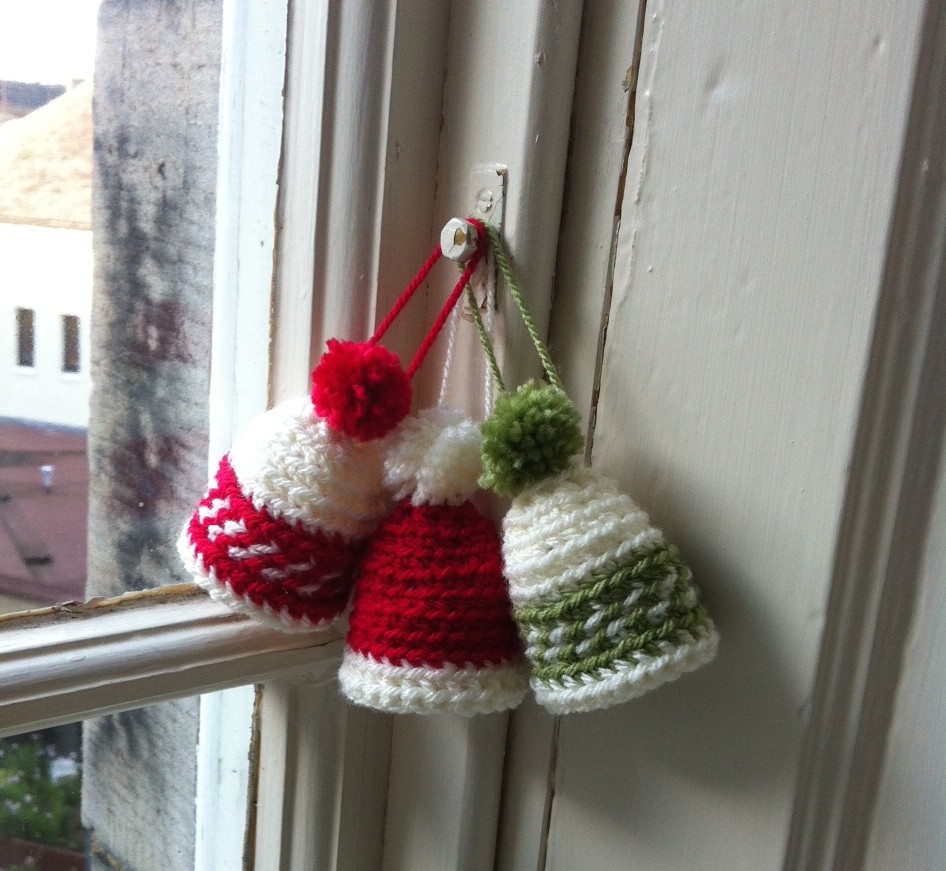
Well we are definitely in holiday season: lights are starting to appear, Christmas songs can be heard in every shop and markets soon will follow in my part of the world. And what better way of getting into the Xmas spirit than crocheting this cute little fair isle ornaments!

This pattern works up very quickly, it only has two rows of colorwork but I have prepared a full tutorial so that you can follow it no matter what level of crochet you are comfortable with. I used a DK yarn and 3.5mm hook, but you could also use a 4mm (see the small difference in size in picture below).

photo 3

And here it is!

Mini Fair Isle Hats Tutorial

This pattern is worked in the round, starting with a row of foundation double crochet. It has two rounds of colourwork where the unused colour is carried as strands on the inside of the hat. The pompom gives the final touch for this cute little Xmas ornament.

Size

8cm (3″) tall

Materials

3.5mm hook (could be replaced for a 4mm if necessary)

DK yarn in two Xmas colours (or any of your preference), I used Stylecraft Special DK in Lipstick, Spring Green and Cream from a blanket I have in progress

Needle to weave in ends

 Pompom maker 2cm diameter (bought or made by yourself)

Abbreviations

ch – chain

st – stitch

sl st – slip stitch

fdc – UK foundation double crochet

dc – UK double crochet

dc2tog – UK double crochet decrease

BL – back loop of chain

Stitch guide

fdc: Follow this link for a tutorial.

dc2tog: insert hook in stitch, yarn over and pull up a loop, insert hook in next stitch, yarn over and pull up a loop, yarn over and pull through 3 loops on hook.

Notes:

  • When joining each round, slip stitch to first dc (not turning chain), pull very tight to make that stitch as small as possible, then chain one, and pull tight again to make that chain very small. This technique by Crochet Ever After helps keep a straight and less noticeable seam.
  • The first st of each round is done in the same st where you joined with a sl st.
  • I have written the instructions for the cream/red hat so those will be the colours I will reference to, just keep your own colours in mind when following the pattern.
  • Number of stitches in parenthesis shows how many stitches you should have at the end of the round.

Instructions:

1. With the cream colour make 24 fdc (here is a tutorial for this stitch). Make sure your tail is not too short, since you will be using it to close a little gap once finished.

IMG_2337

2. Form a circle making sure you are not twisting the stitches.

IMG_2338

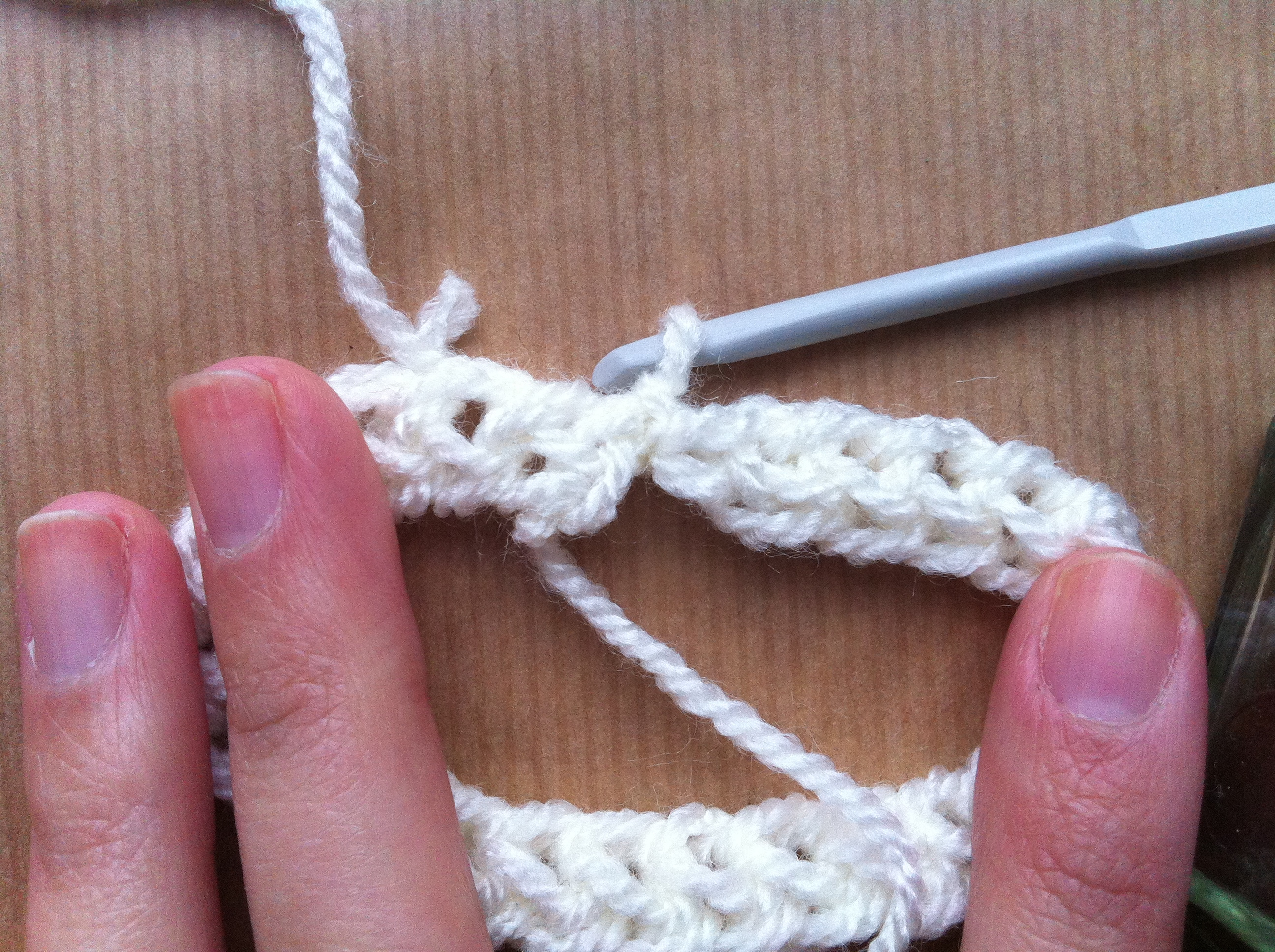
3. Join to first st with sl st. Pull tight to make it as small as possible. As you can see there is a small gap, we will sew both sides together at the end.

IMG_2340

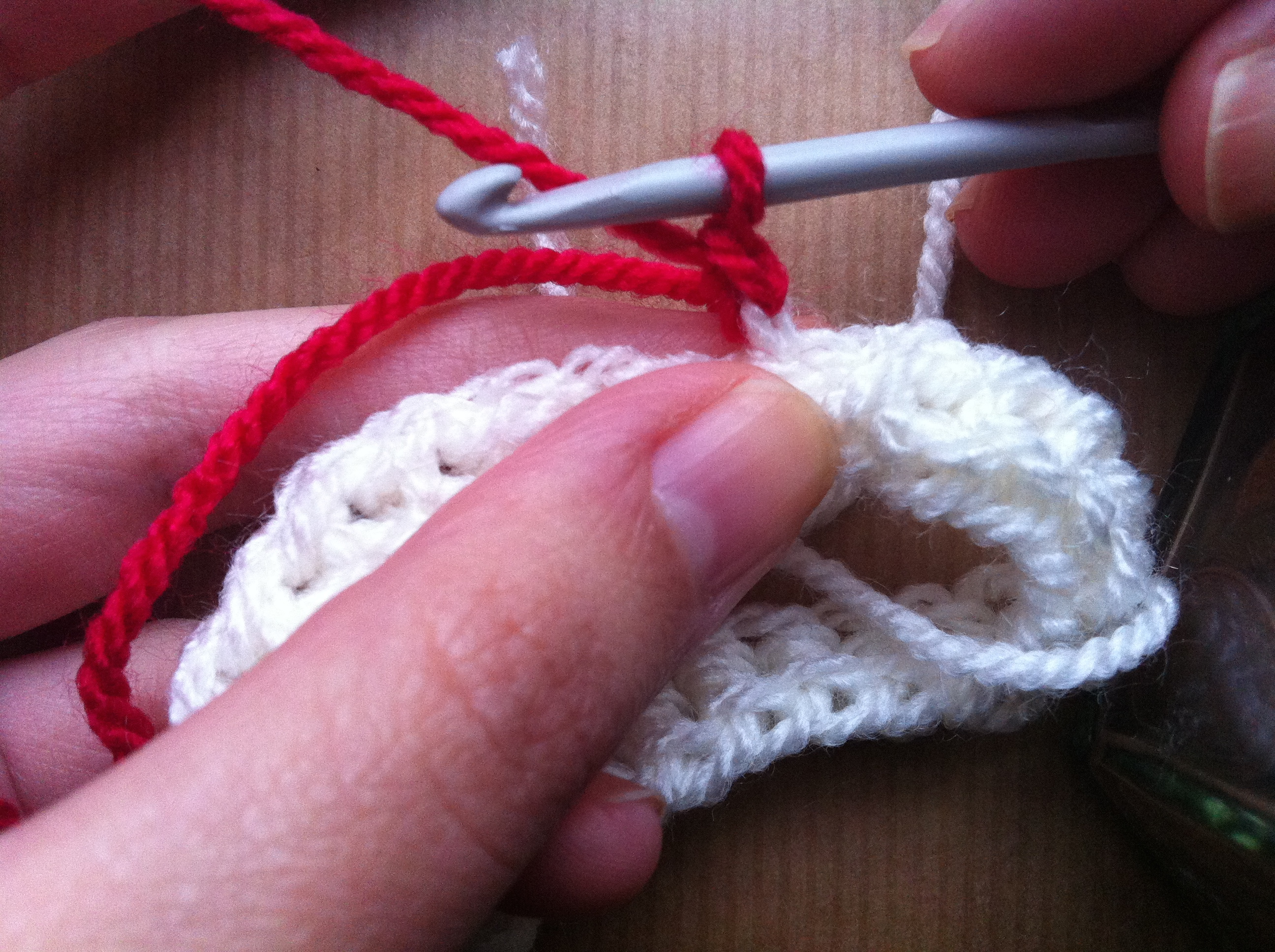
4. Keeping your hook where it is, make a slip knot with the other colour.

IMG_2341

5. Pull the red loop through the white one and pull tight (pull the white yarn tight as well).

IMG_2342

6. Ch 1, pull tight. You will continue working with the red yarn, leave the white in the back and don’t cut it since you will pick it up again soon.

IMG_2343

IMG_2345

7. Dc in the back loop (BL) of the same stitch where you did the sl st. From here onwards all dc should be in the back loop only. Dc in next st and every st across (24st).

IMG_2347

8. Join to first st of the round with sl st, pull tight.

IMG_2348

IMG_2349

9. Ch 1, pull tight (You should pull tight after the sl st and ch 1 when closing every round from here onwards, but won’t keep repeating it :P)

IMG_2350

IMG_2351

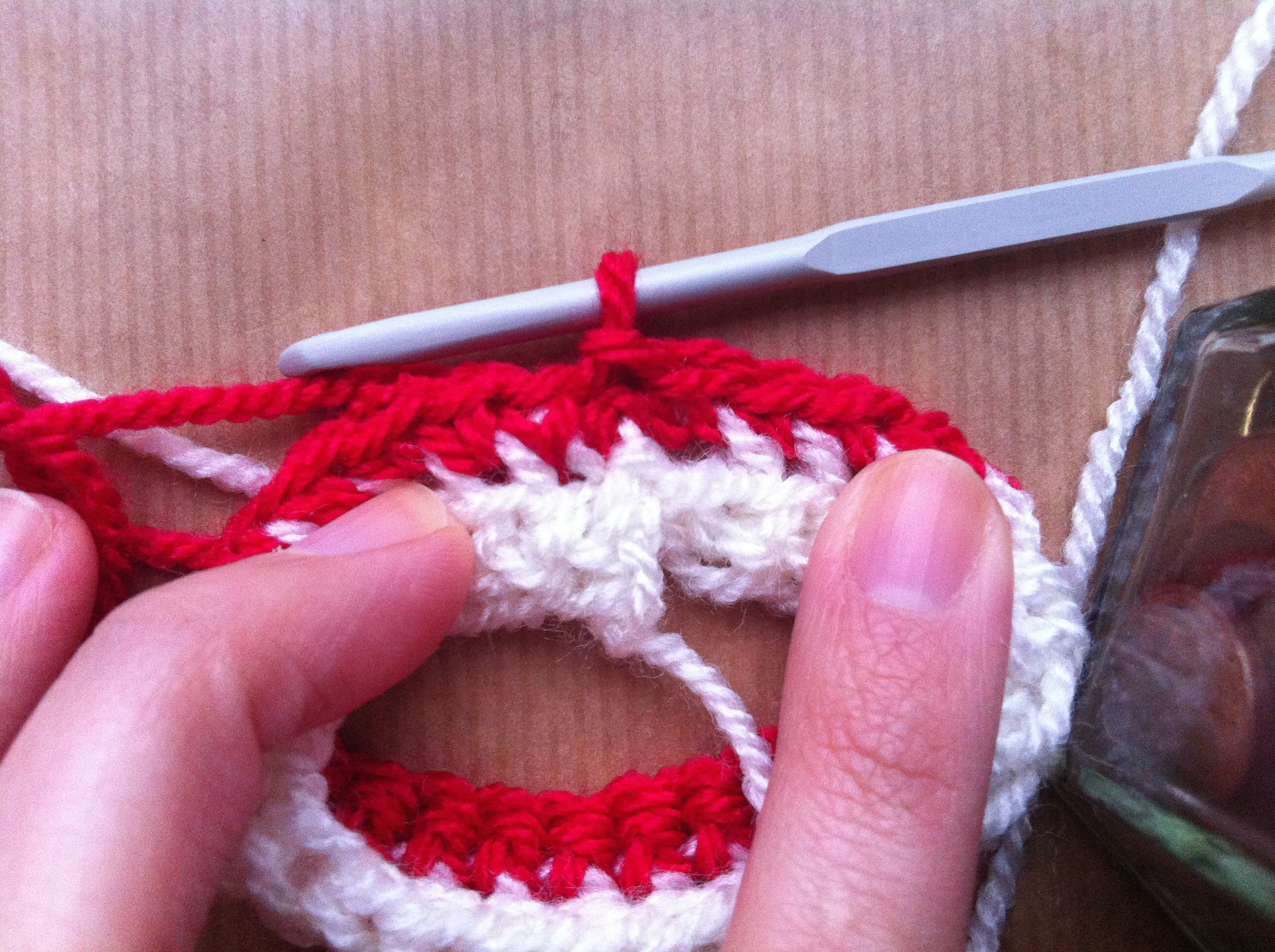
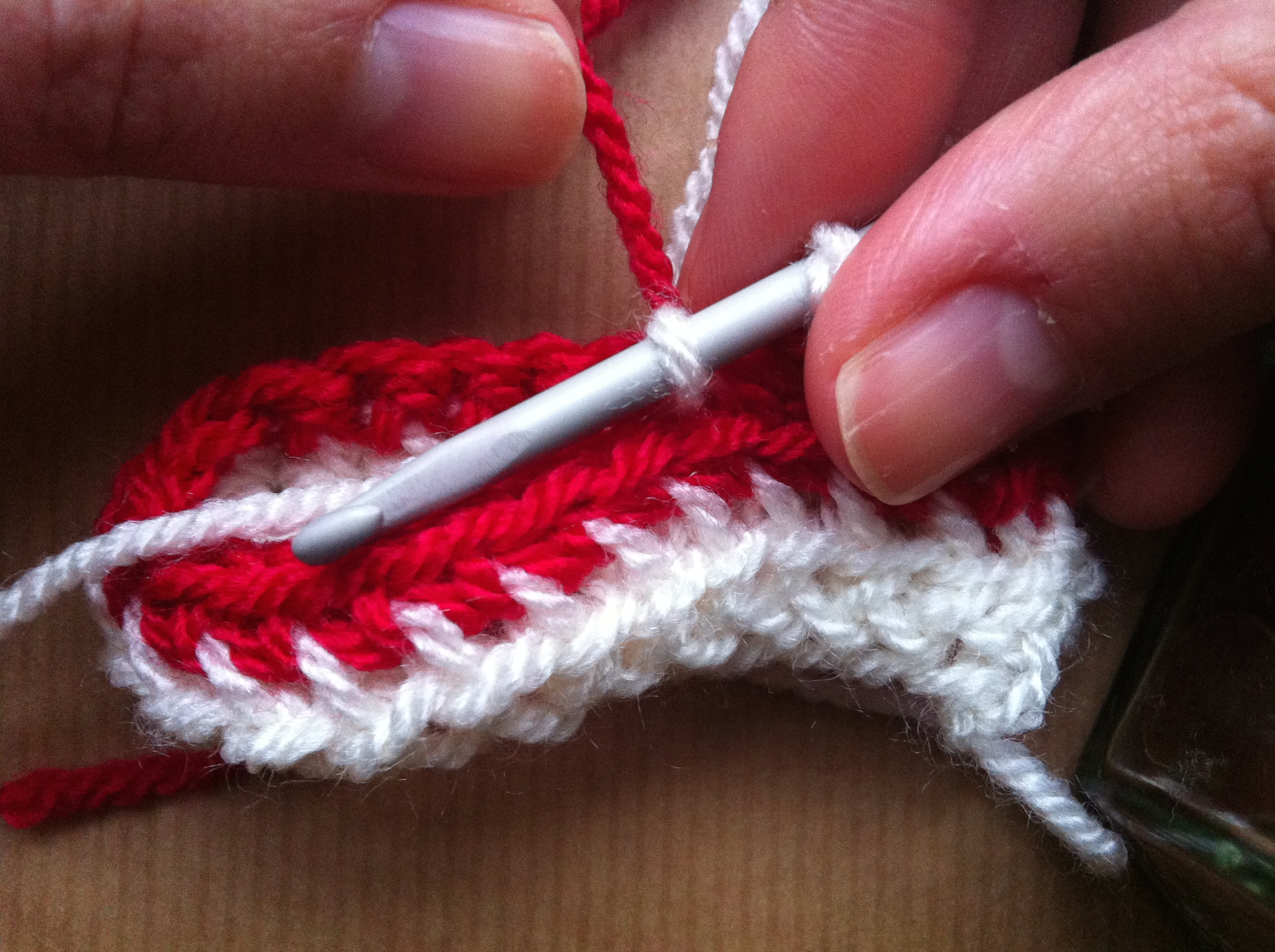
 10. Insert your hook in the BL of the first st (where you did the sl st) yarn over and pull up a loop. Drop the red yarn, yarn over with the white and pull through both loops on hook.

IMG_2354

IMG_2356

11. Insert your hook in the BL of next st, yarn over and pull up a loop.

IMG_2358

12. Drop white yarn, yarn over with red yarn and pull through two loops on hook.

IMG_2359

IMG_2360

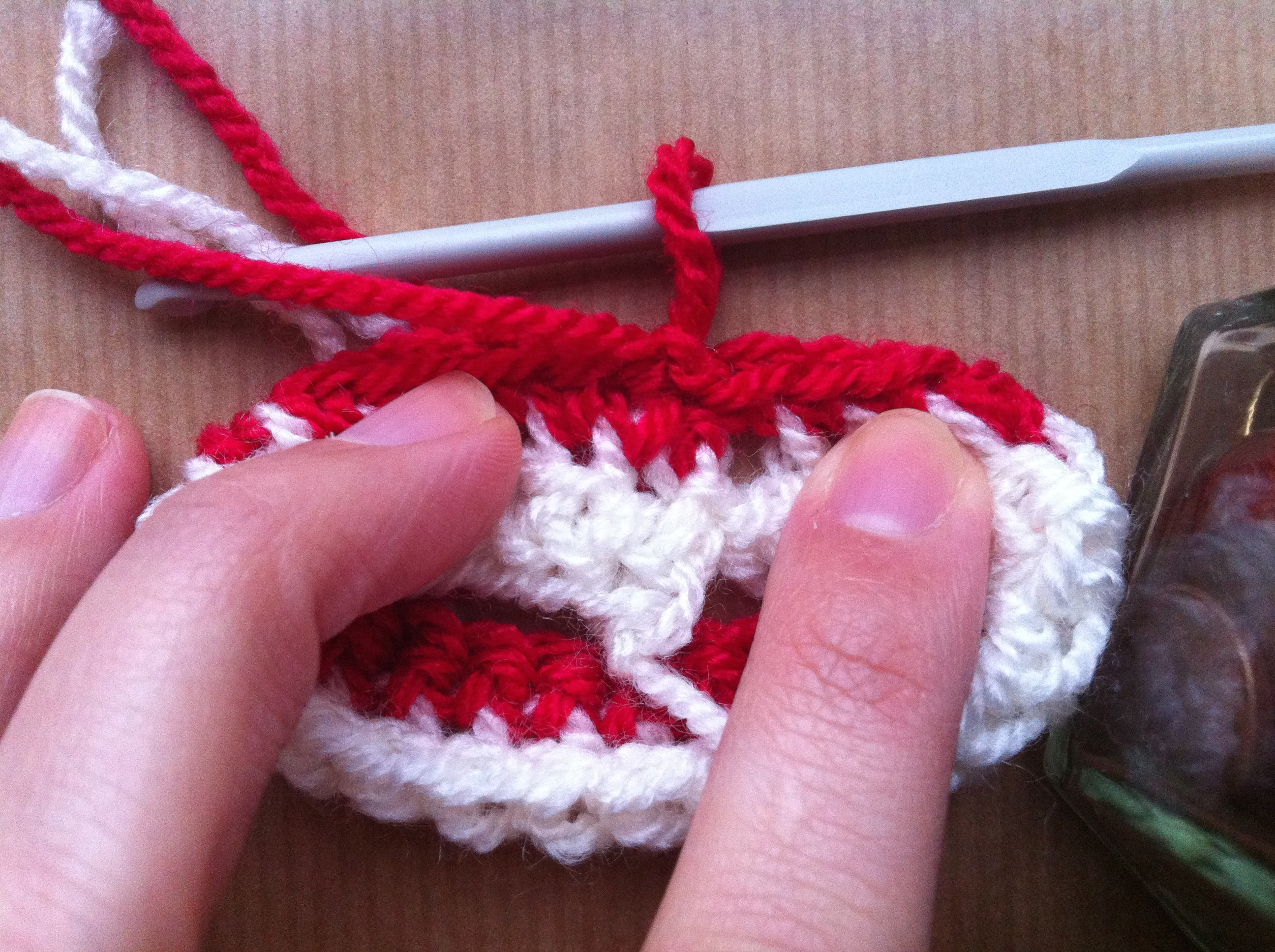
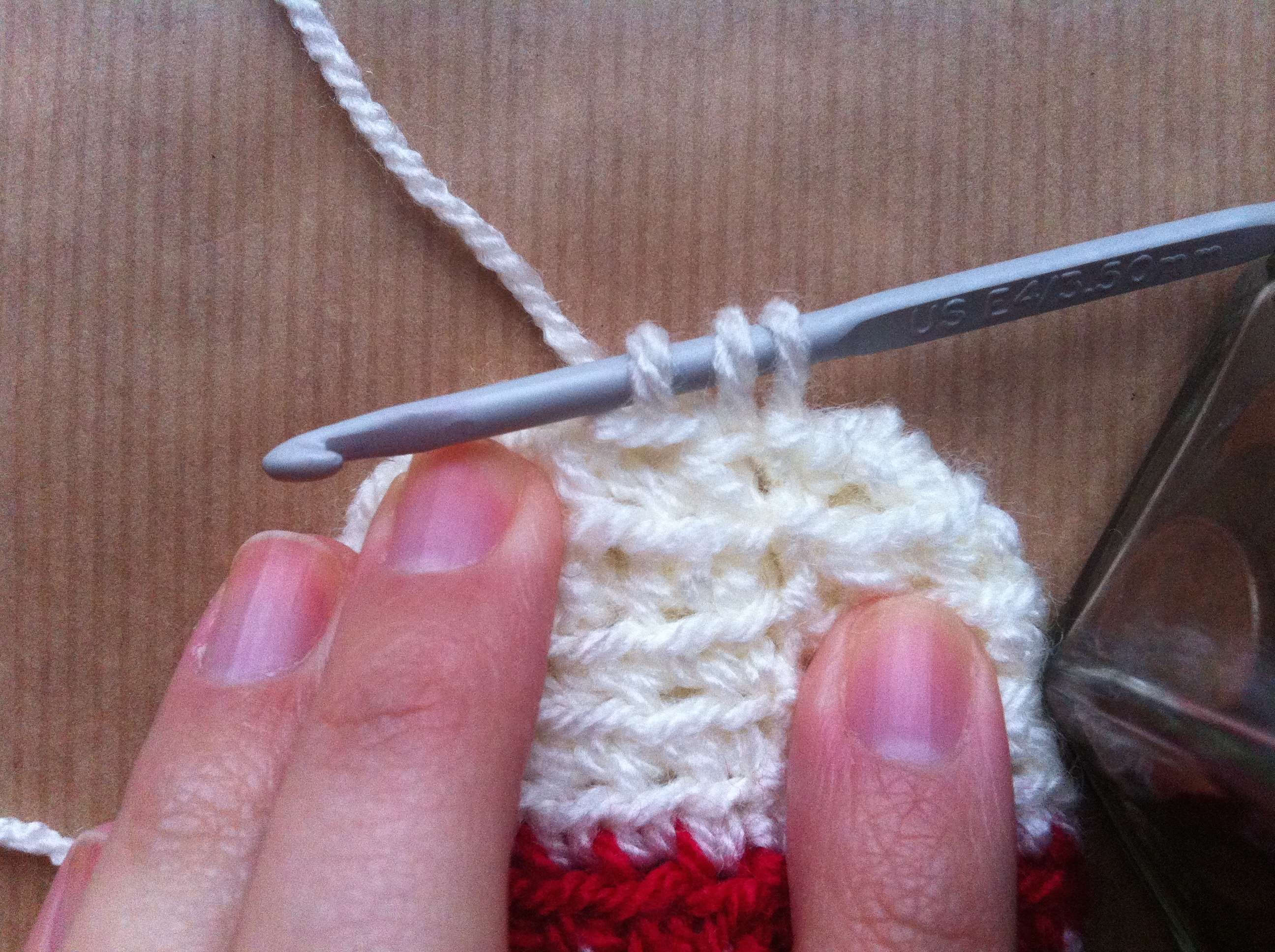
13. You will repeat steps 10 to 12 until the end of the round (one red st, one white, one red, one white…), but first I will show you how to keep your yarns from tangling. Like on step 10, insert your hook in the BL of next st, yarn over and pull up a loop.

IMG_2361

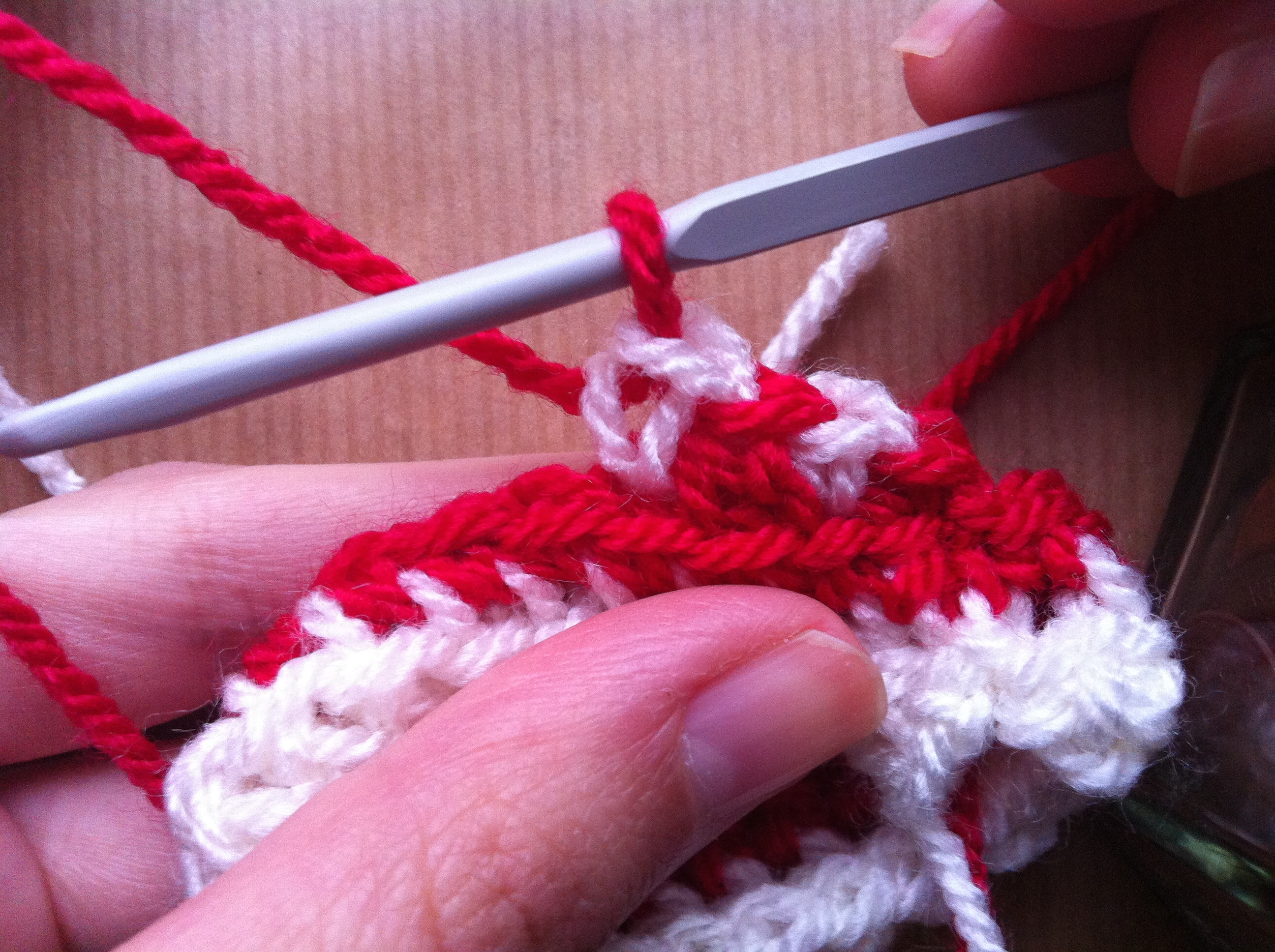
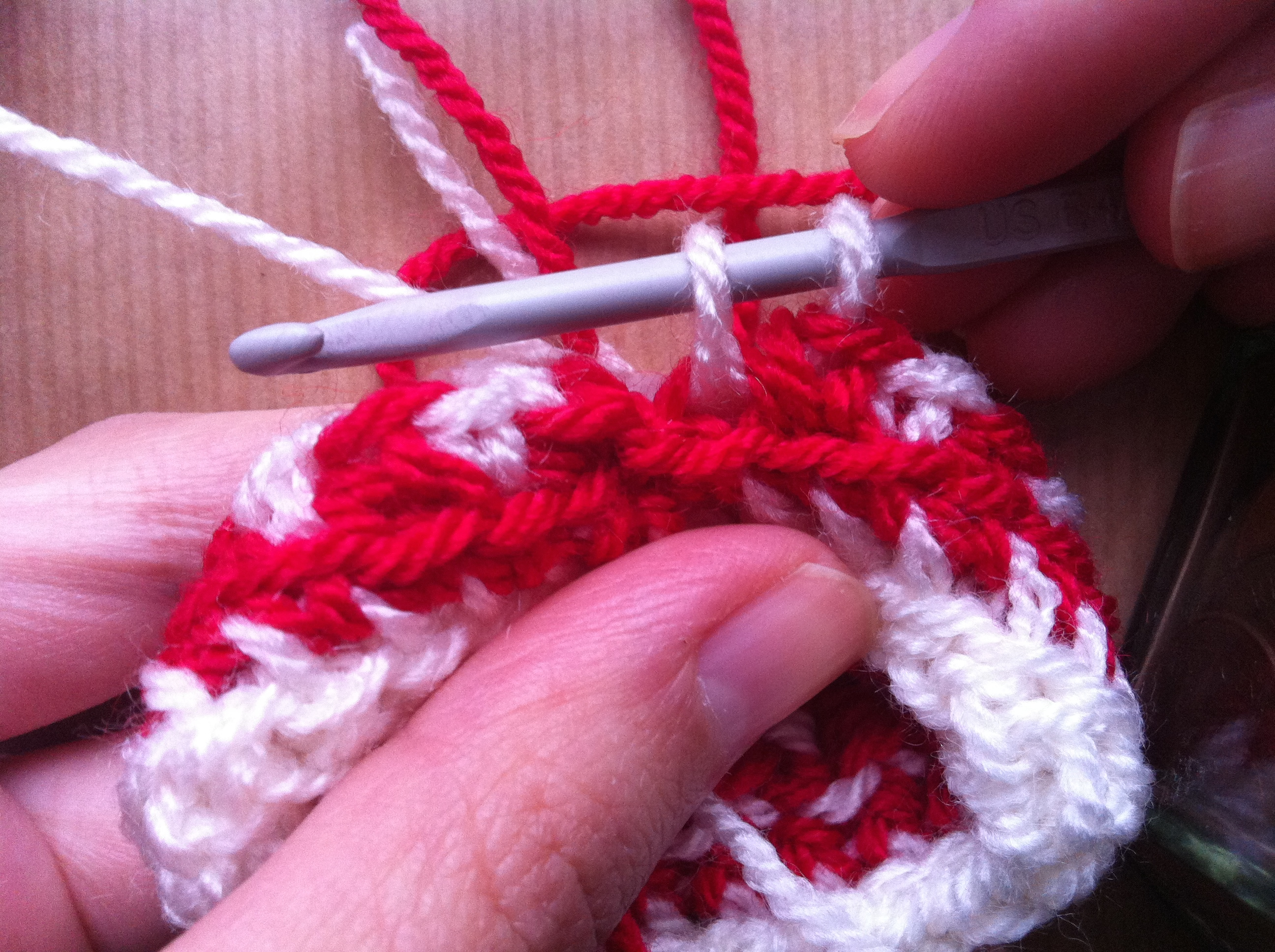
14. If your yarns are tangled already, untangle them and put the white yarn on your left, the red one in front of you. Now you need to pick up the white yarn, so drop the red in front of you and pick up the white from your left. You will notice that the white goes under the red when doing this. Yarn over and pull through 2 loops.

IMG_2363

IMG_2364

IMG_2365

15. Let’s do one more so that it is clear. Insert your hook in BL of next st, yarn over and pull up a loop.

IMG_2370

16. Now drop your white yarn to your left, and pick up the red from the front.

IMG_2371

IMG_2372

17. Yarn over with the red and pull through both loops.

IMG_2373

IMG_2374

18. If you continue dropping the white to the left and the red to the from your yarns won’t get tangled. Continue this way until the last st, which should be a white one.

IMG_2375

19. Dc in last st without changing colour.

IMG_2376

IMG_2377

20. Still with the white yarn, sl st to first st and ch 1 (pull tight!)

IMG_2378

21. We will do the exact same steps for this round as for the last one, except we will do opposite colours, so if the st was red in the last round, in this round you will do a white one and so on. So the first st of the previous round is red (the one where you did the sl st), since we are working with a white yarn already we don’t need to change colours. Insert your hook in the BL of the first st, yarn over and pull up a loop.

IMG_2380

22. Drop your white yarn to the left and pick up the red in from of you. Yarn over and pull through both loops.

IMG_2382

23. Repeat steps 10 to 12 until last st of round, which should be a red st.

IMG_2386

24. Dc in last st without changing colours.

IMG_2388

25. Sl st to first st, ch 1.

IMG_2389

26. And you are done with the two rounds of colourwork! It is quite easy from here. Still with the red colour, dc in first st and each st across. Remember we haven’t increased or decreased so you should still have 24 st.

IMG_2390

27. Sl st to first st.

IMG_2391

28. Drop the red colour, pick up the white, yarn over and pull through loop on hook. Pull the red yarn tight.

IMG_2393

IMG_2394

29. Ch 1 with white and pull tight. You won’t be using the red yarn again so you can cut it now, leaving a tail long enough to weave in comfortably.

IMG_2395

IMG_2396

30. Dc in first st and each st across. Sl st to first st, ch 1.

IMG_2397

IMG_2398

31. Dc in first st, dc in next 3 st.

IMG_2399

32. Dc2tog in next 2 st (see stitch guide at the top).

IMG_2400

IMG_2401

IMG_2402

33. Continue this way (4dc, dc2tog in next 2 st) until the end. You should finish with one dc2tog in the last 2 stitches. Sl st to first st, ch 1. (20st)

IMG_2403

IMG_2404

IMG_2405

IMG_2406

IMG_2407

34. Dc in first st and each st across. Sl st to first st, ch 1.

IMG_2408

IMG_2409

35. Dc in first st, dc in next st, dc2tog in next two stitches.

IMG_2410

IMG_2411

IMG_2412

IMG_2413

36. Continue this way (2dc, dc2tog) until the end. You should finish with one dc2tog in the last 2 stitches. Sl st to first st and ch 1. (15st)

IMG_2415

IMG_2416

37. dc2tog in first two st, place a st marker in the st just finished.

IMG_2418

IMG_2419

IMG_2420

IMG_2421

38. dc2tog across until last st. Dc in last st. Sl st to marked st, ch 1 (8st).

IMG_2423

IMG_2424

IMG_2425

39. dc2tog in first two stitches, place a marker in st just made.

IMG_2426

IMG_2427

40. Dc2tog until the end. Sl st to marked st (4st). Fasten off.

IMG_2429

Weave in ends and close the small gap in the first round. You don’t need to close the gap at the top since the pompom will cover it. Make a pompom and attach it to the top, use a piece of yarn or ribbon to make string.

IMG_2433

Let me know if you have any questions, I know some pictures are not great but days are very grey at this time of year. I hope to get better with the pictures with time 🙂

If you want to make the Santa hat in the first picture you just need to make a the first white row of fdc in white and then change to red for the rest of the pattern without changing colours. Easy peasy!

x

Sol

Tutorial: Foundation Double Crochet (UK terms)

IMG_2323

Hello! Remember my Xmas pattern sneak peek? Well I used foundation double crochet (fdc) to make those little hats and since I promised you a tutorial I thought I should make a separate one for this stitch and then it is there for all my future patterns that may use it.

You use this stitch as a replacement of a traditional double crochet foundation row where you would make a chain and then work the stitches into it. With fdc you do both the chain and the first row of dc at the same time, it gives a much sturdier edge allowing those little hats to stand up right.

So, this is how it’s done!

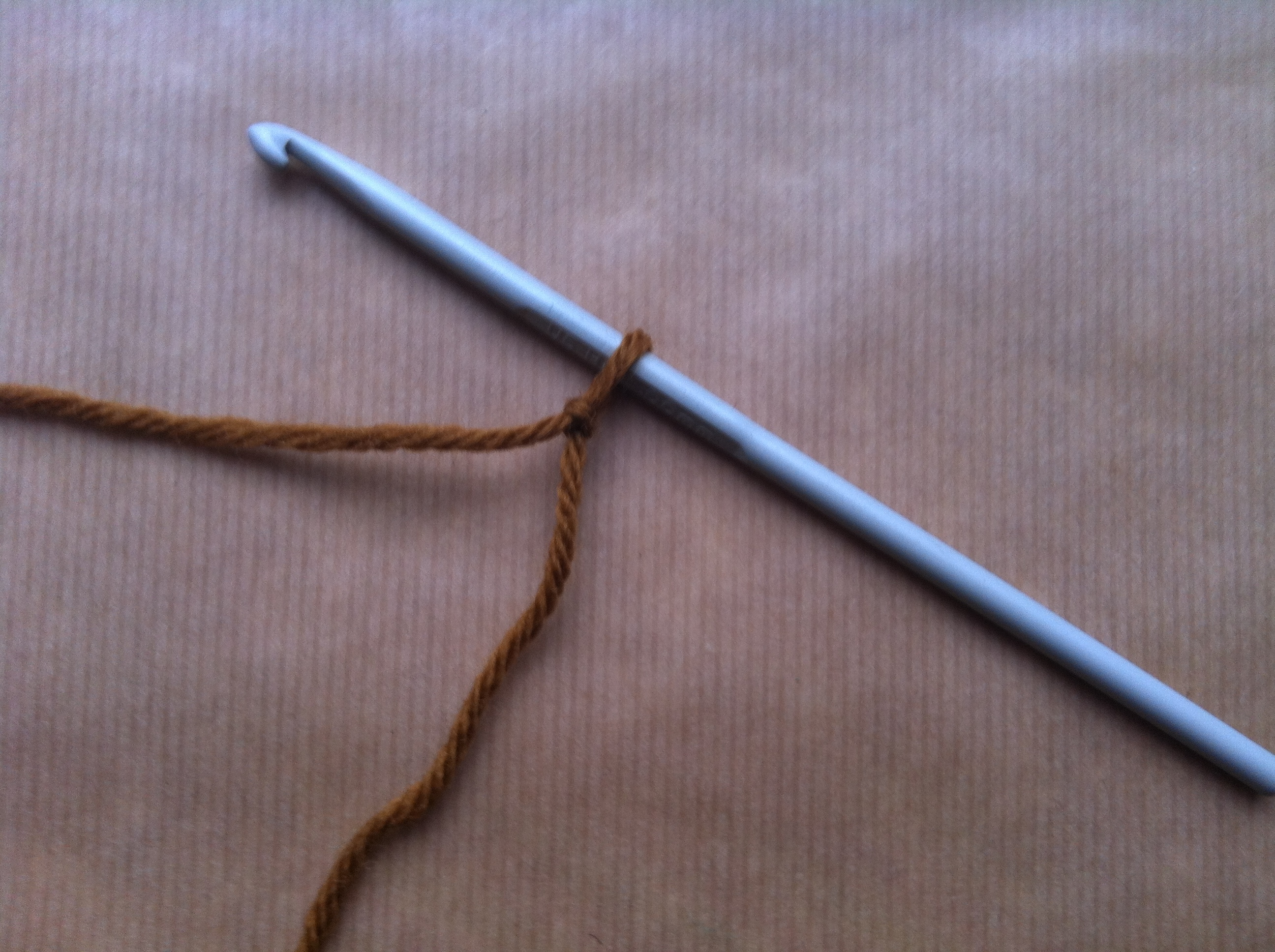
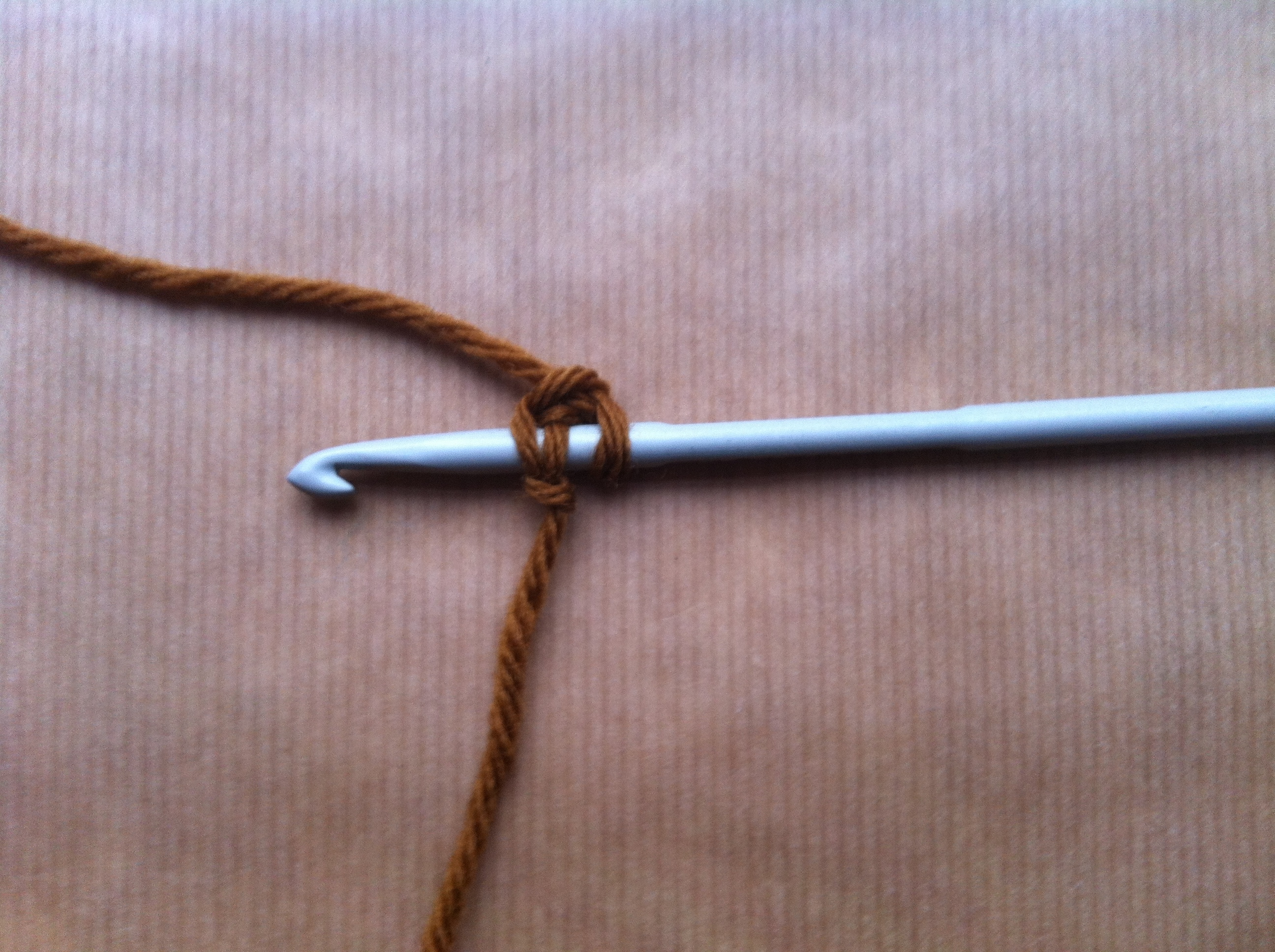
1) Make a slip knot.

IMG_2304

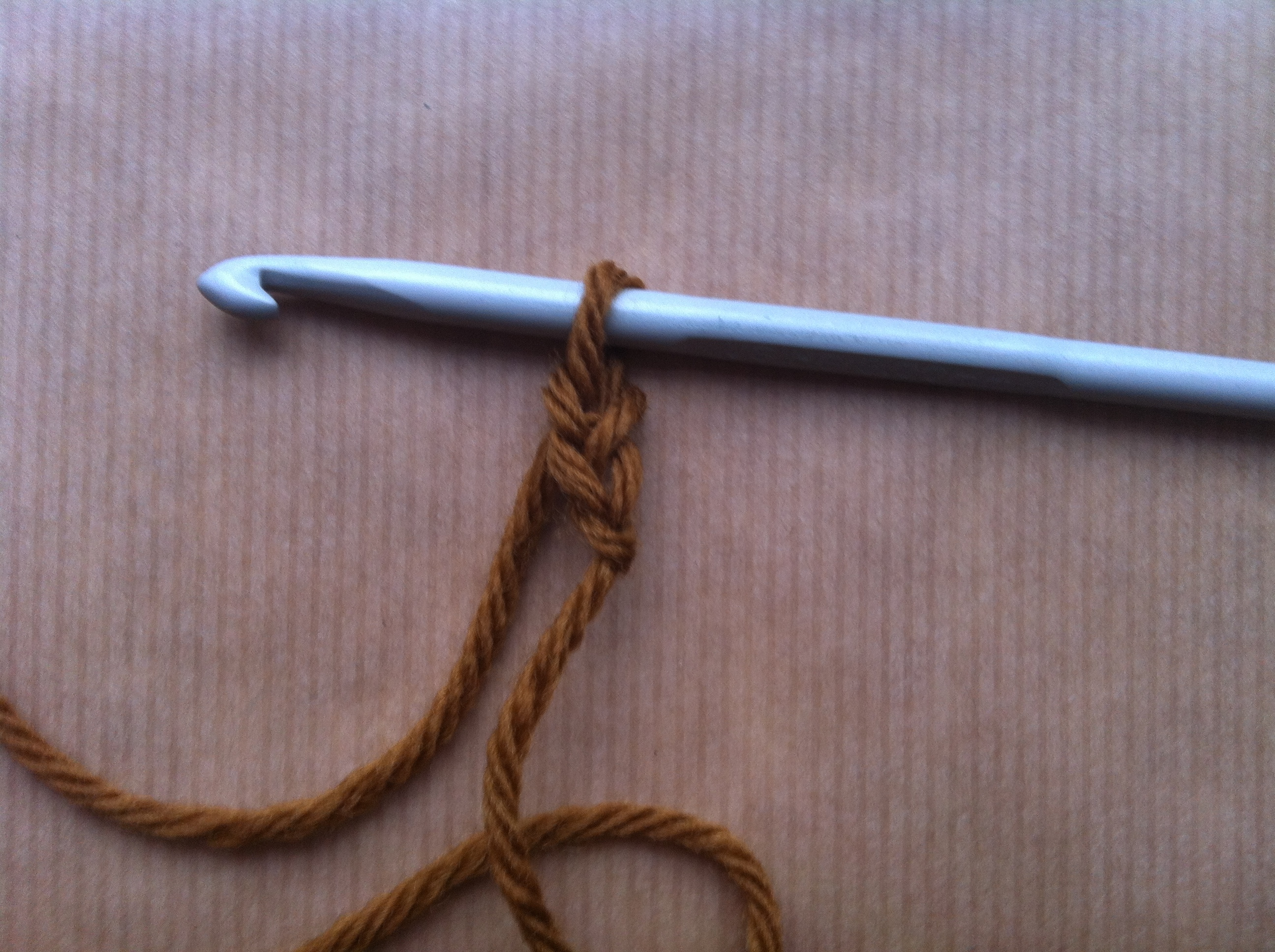
 2) Chain 2.

IMG_2305

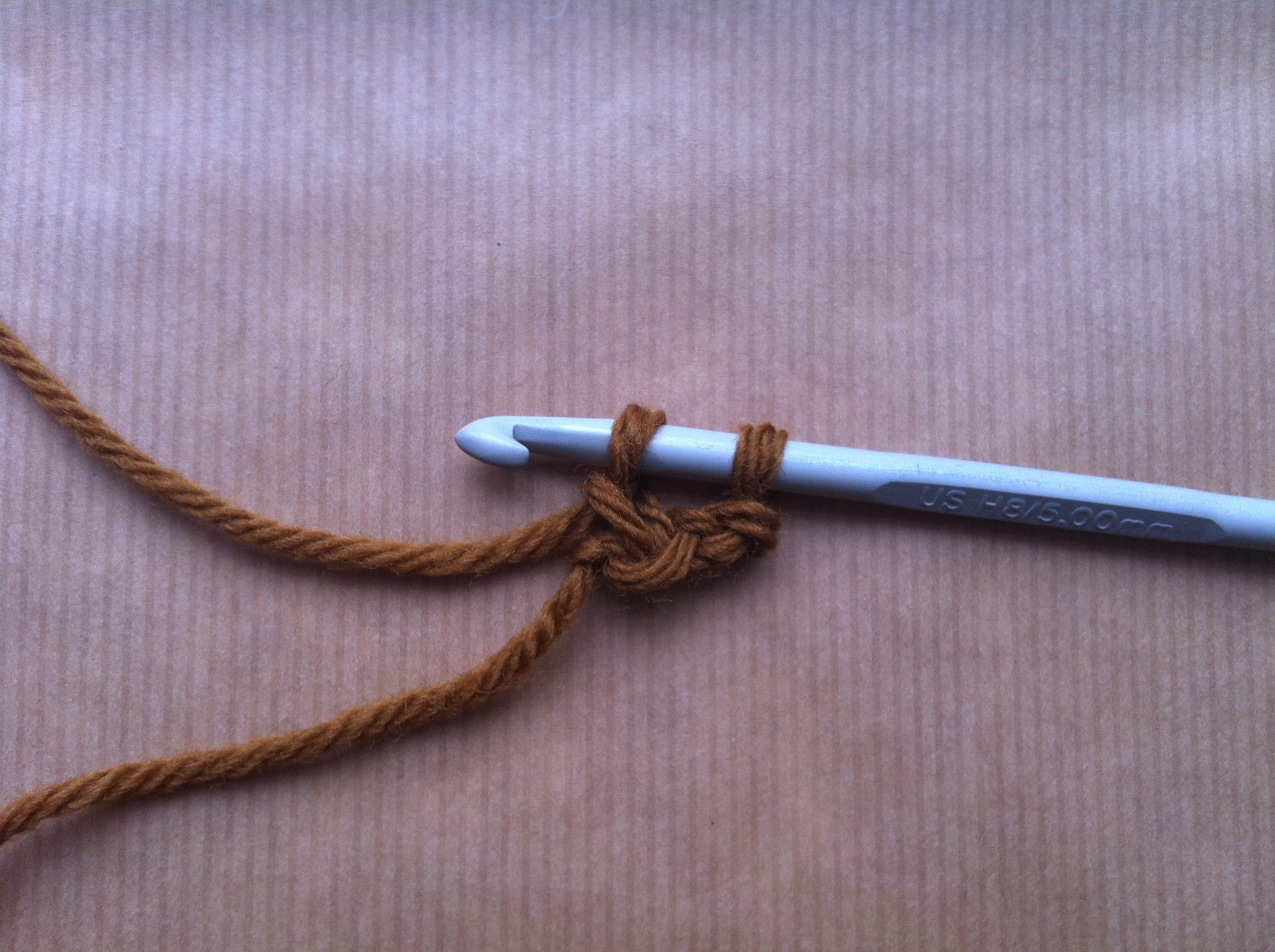
 3) See the first chain you made? (bottom one in the picture above). You need to insert your hook under the two strands that make the “v” of that chain, basically the two strands you can see of that chain in the picture above.

IMG_2306

 4) Yarn over and pull through the two loops, leaving two loops on the hook.

IMG_2307

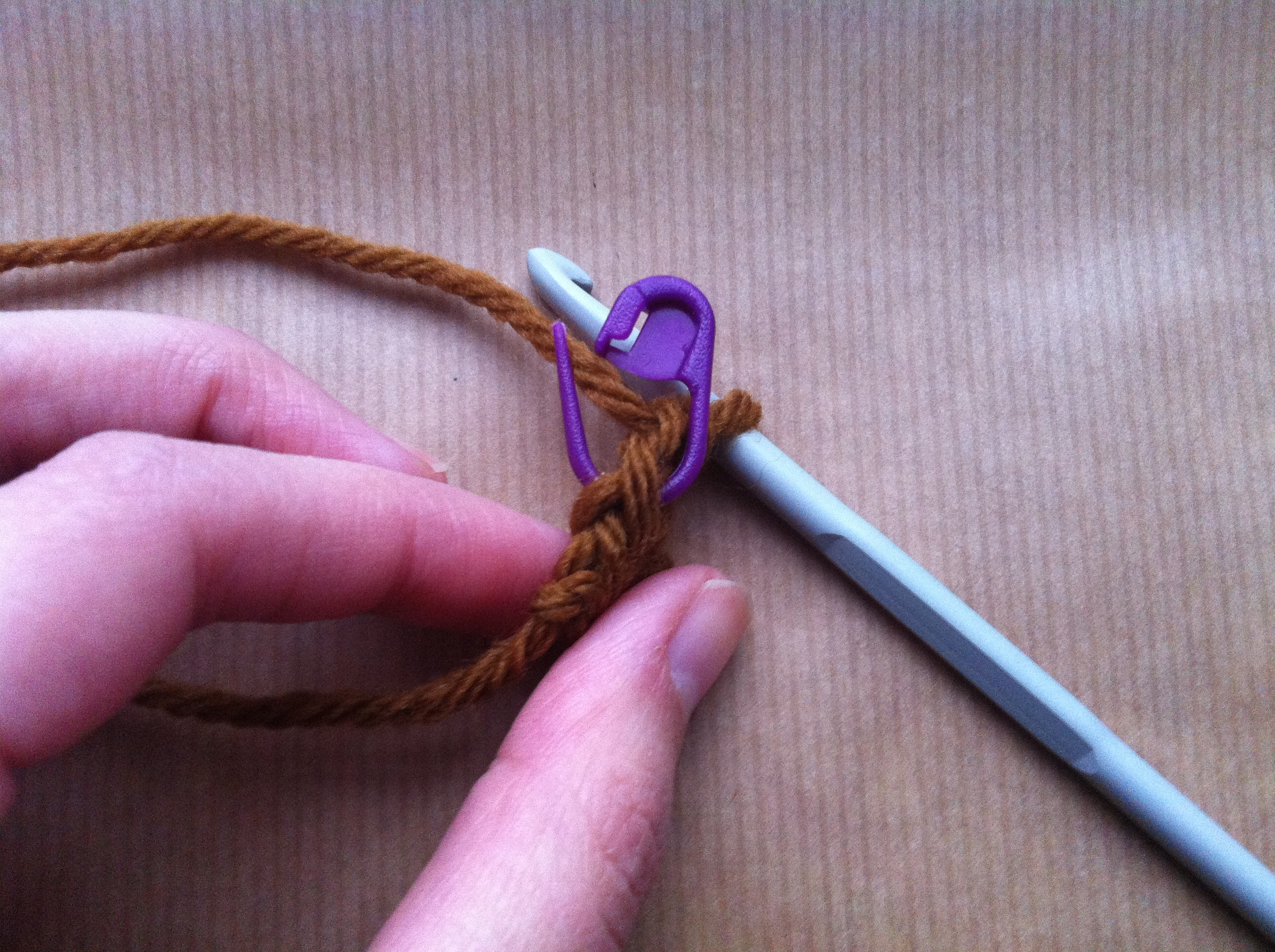
 5) Chain 1, and remember this chain because we will go back to it on the next stitch.

IMG_2308

 6) Yarn over and pull through two loops. First fdc done.

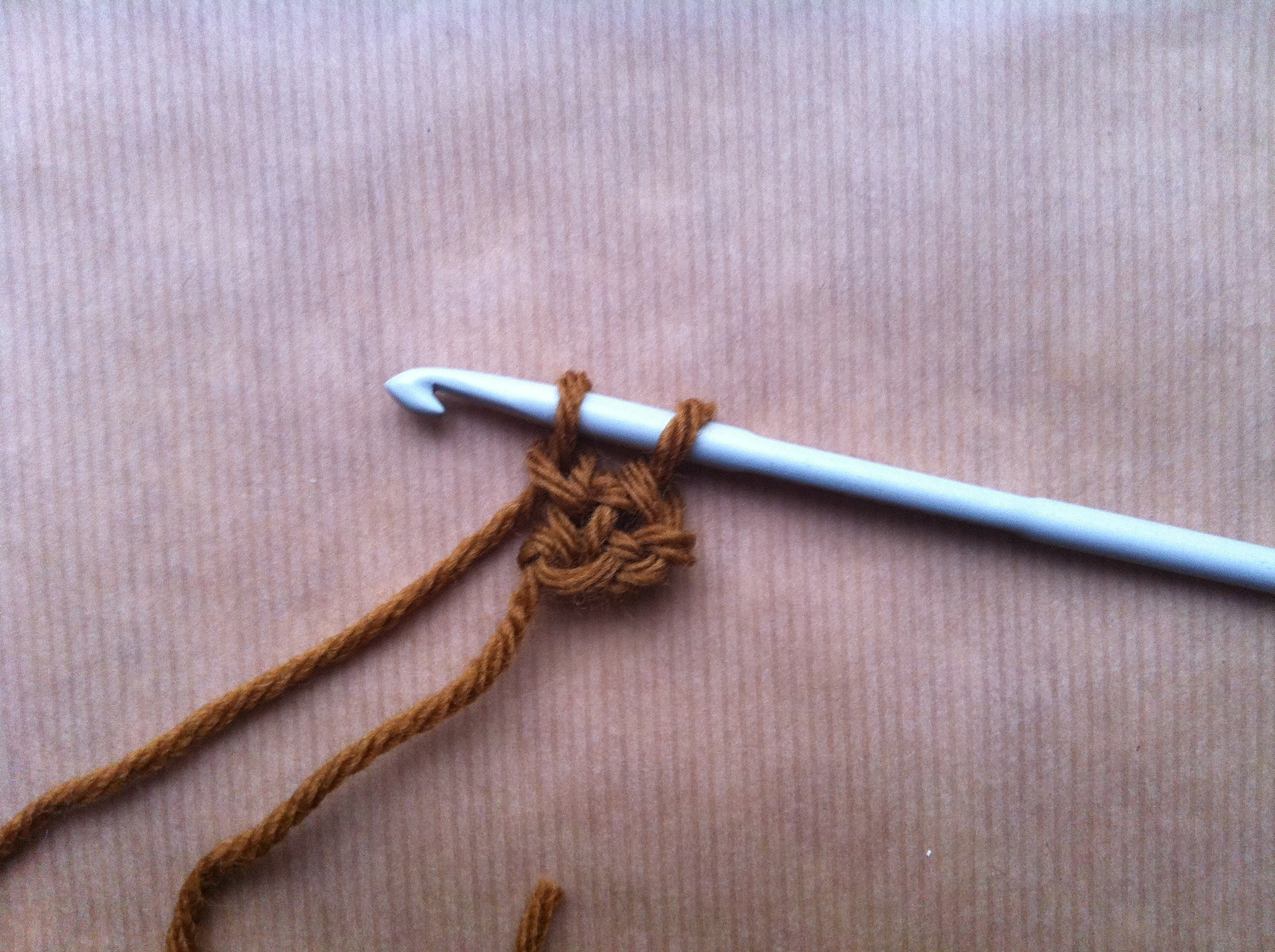
img_2324

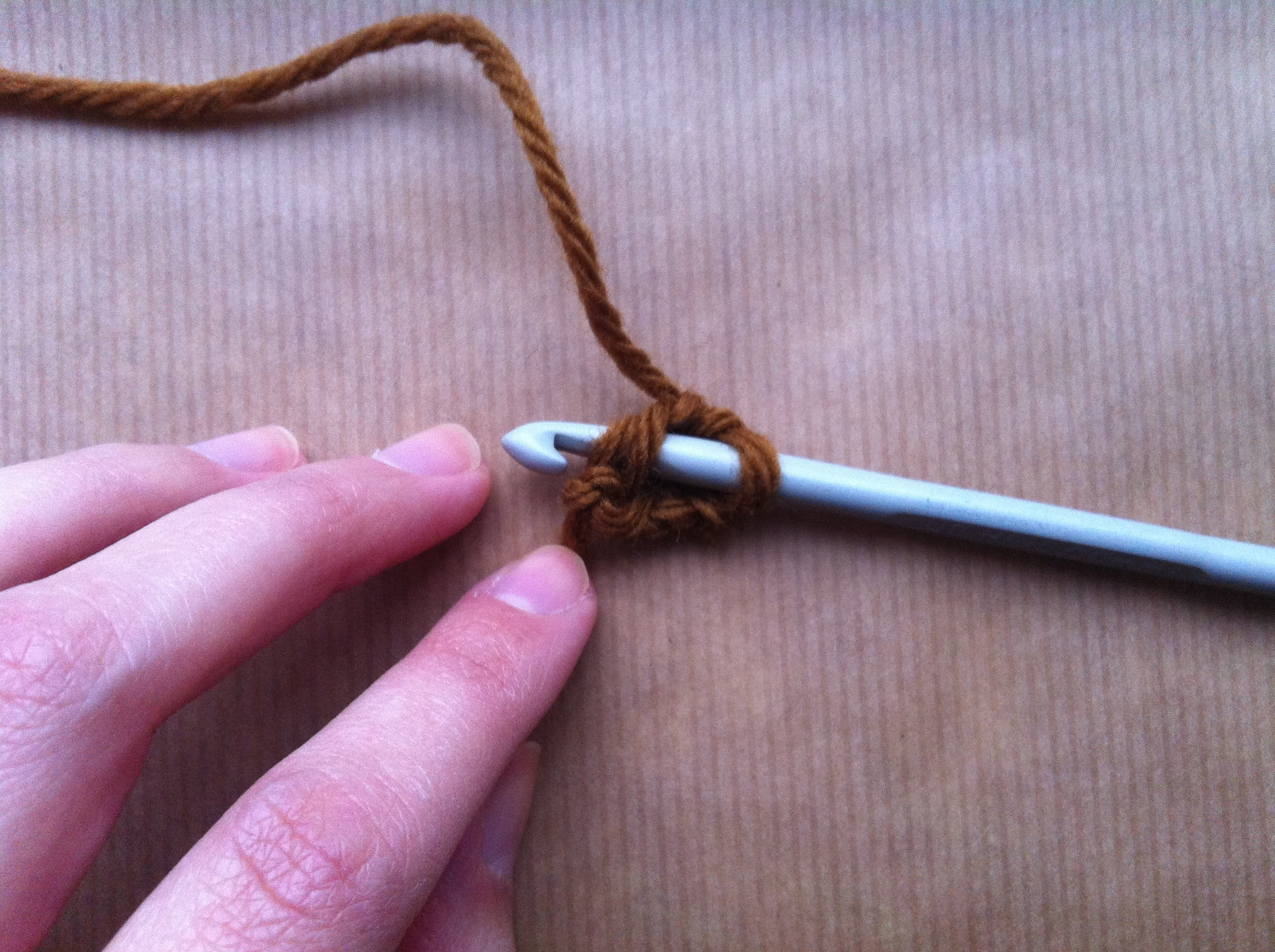
7) Now for the next fdc, you need to focus on that chain I told you to remember, the one the arrow is pointing at. You need to insert your hook under two strands, the one the arrow is pointing at (left strand of the “v”) and the one behind it. If you turn the work to the right so that the slip knot is looking at you, both strands form a chain ( “v” upside down) in that direction.

IMG_2325

 8) Yarn over and pull through two loops, leaving two loops on hook.

IMG_2326

 9) Chain 1.

IMG_2318

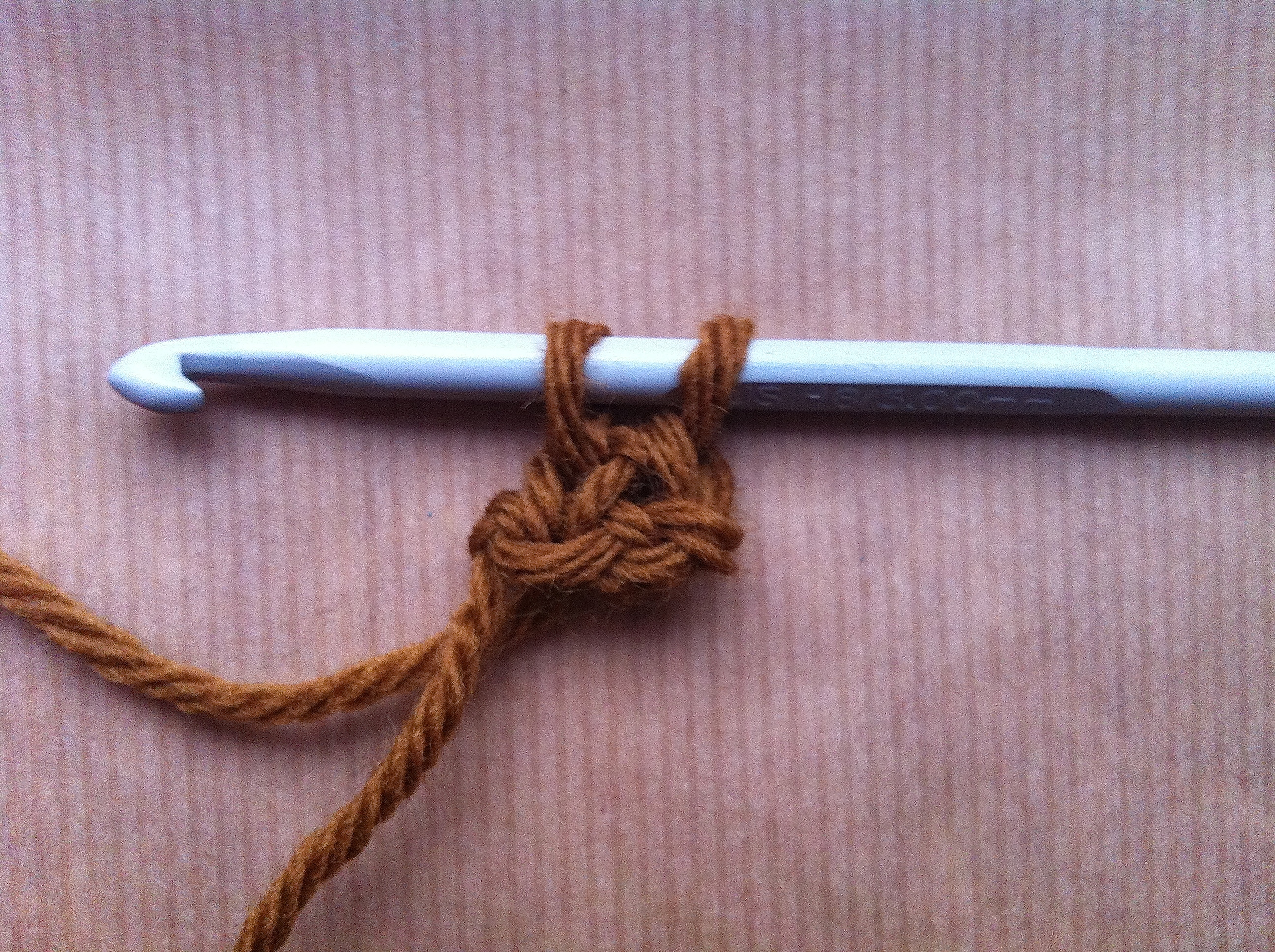
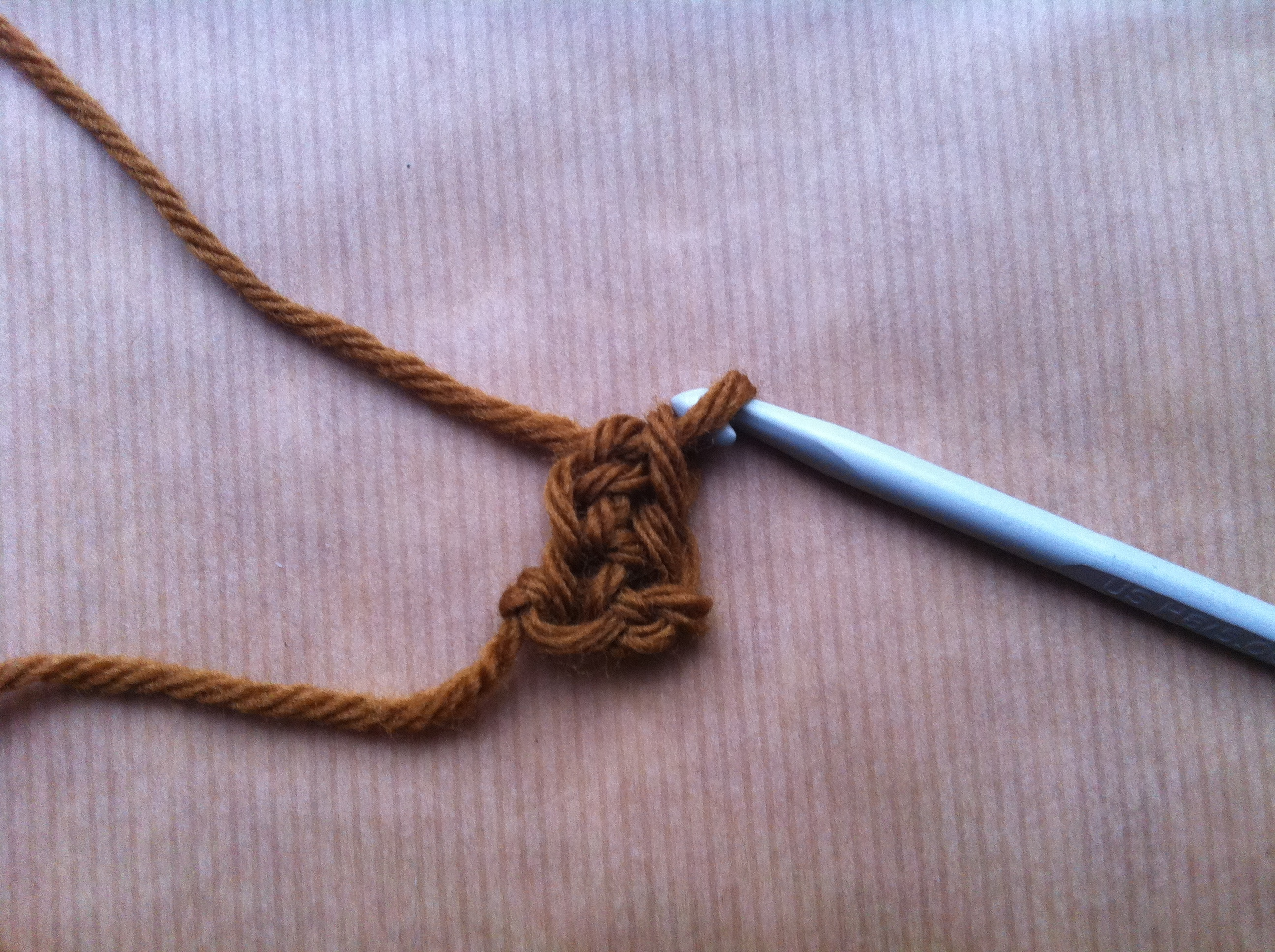
 10) Yarn over, pull through two loops. Second fdc done. You can see that you are crocheting in a different direction, instead of side by side you are stacking the stitches up one on top of the other.

IMG_2319

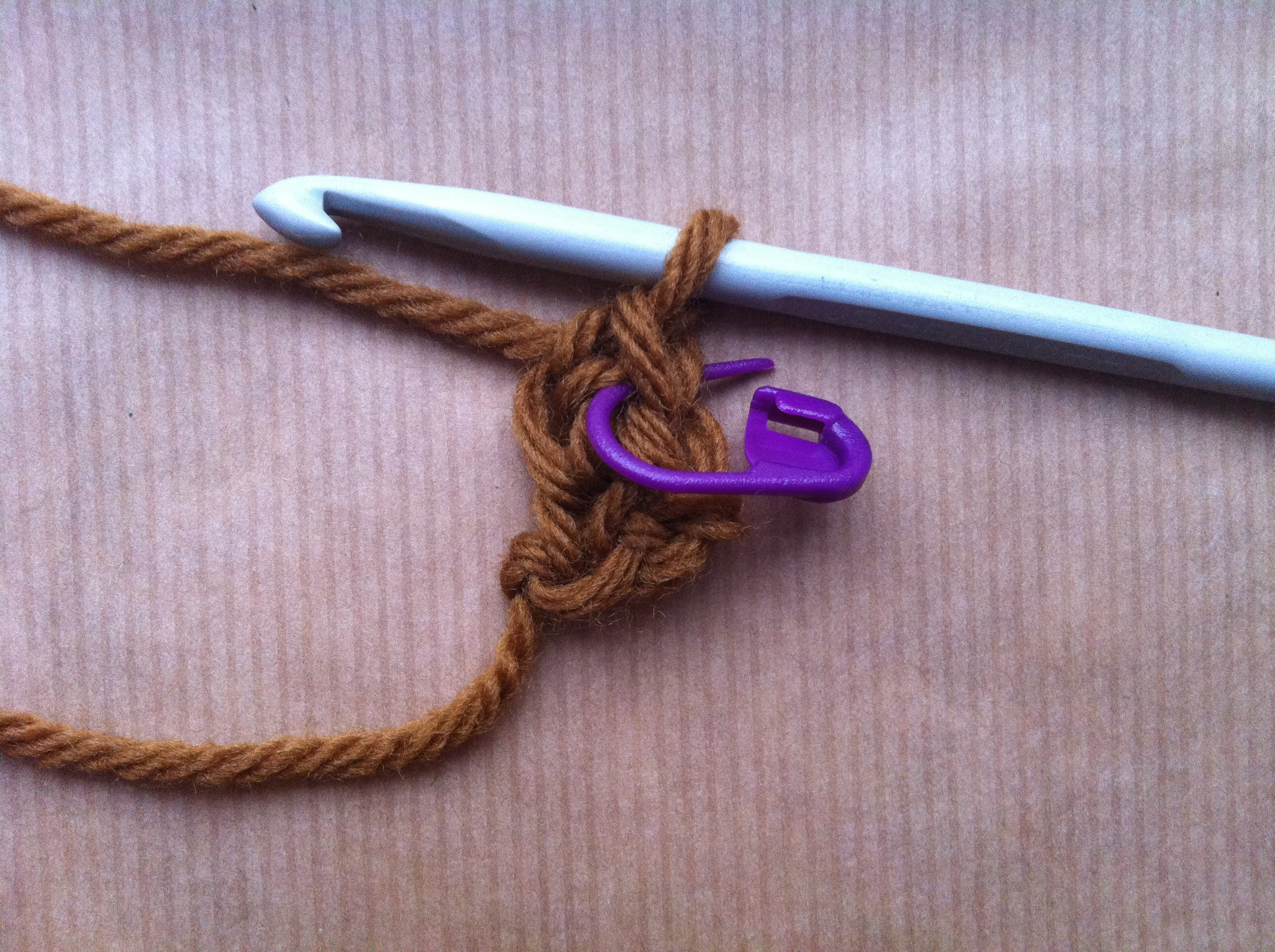
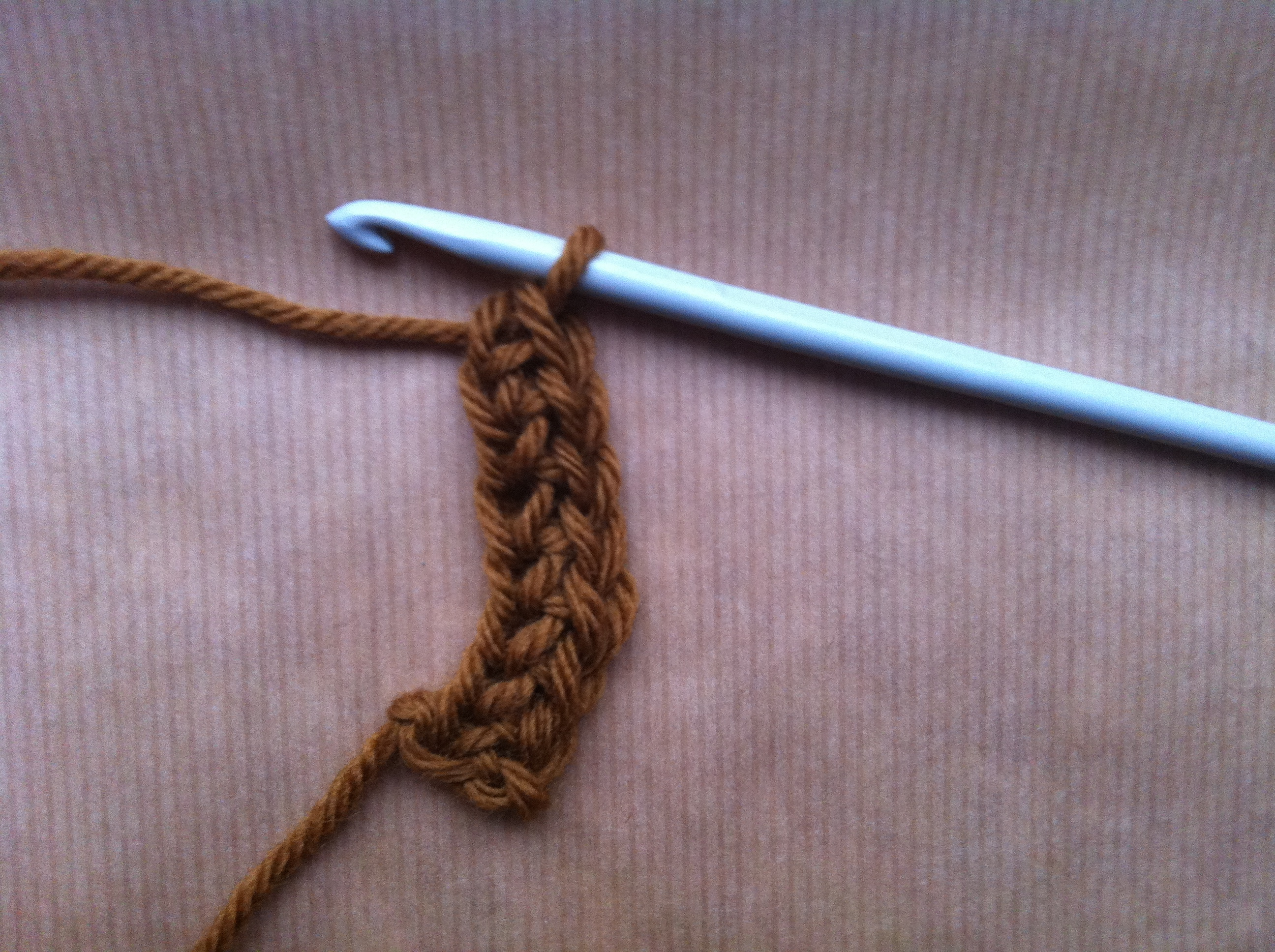
 You see those two chains on the right side, where the hook is? Those are the chains where you will work your stitches normally for the next row or round. The one I am marking is the second stitch you just finished, the chain under it is the first stitch. You can put a stitch marker on the first stitch to make it easier to count how many stitches you have done.

IMG_2329

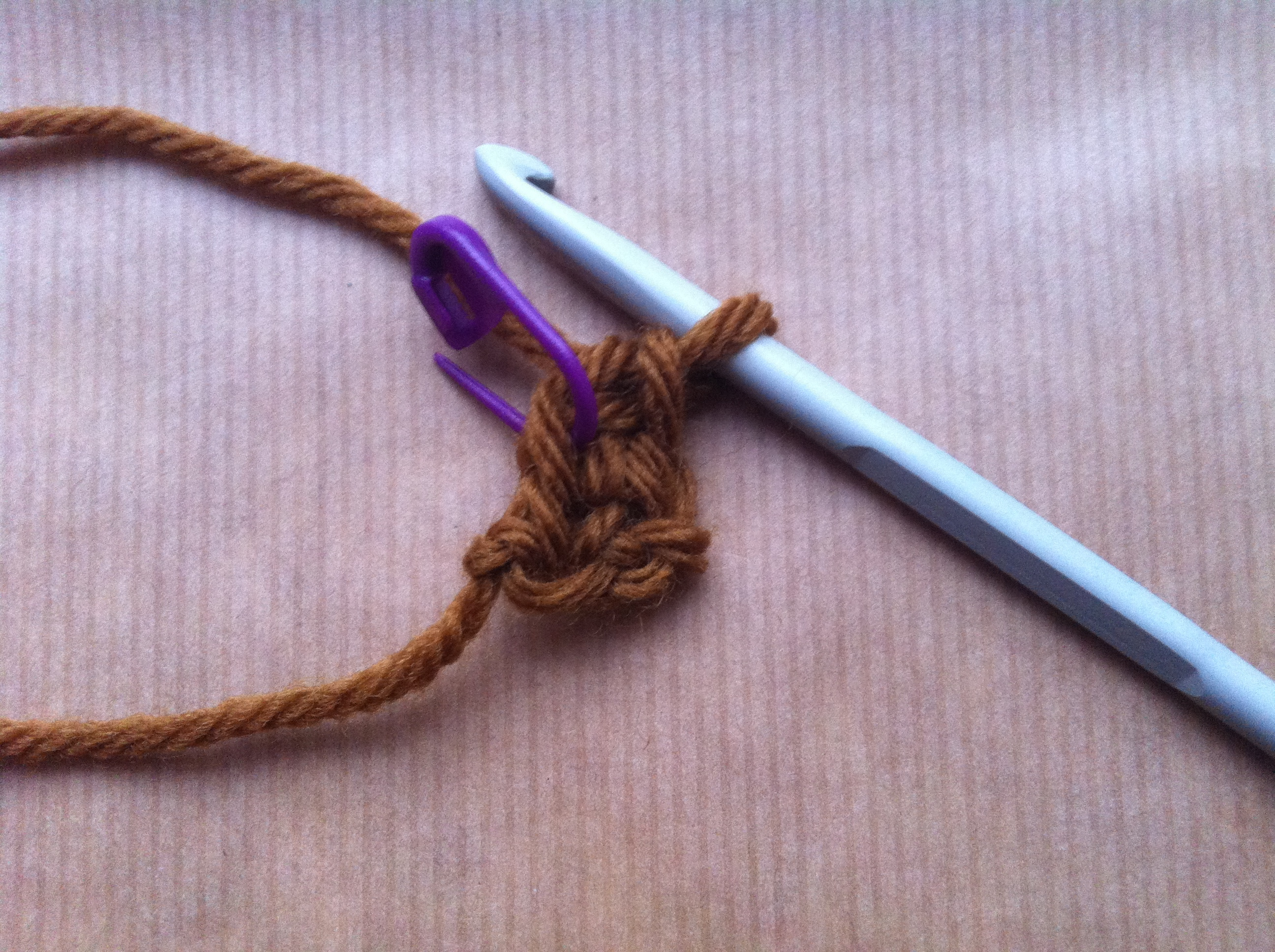
 Repeat steps 7 to 10 until you have the number of stitches you need. The stitch marker in the pictures below show where you would insert your hook next if you were to do another stitch.

IMG_2330

IMG_2332

 And that’s it! Hope that is useful 🙂

IMG_2323

x

Sol
The honeycomb question and how it will shape this space

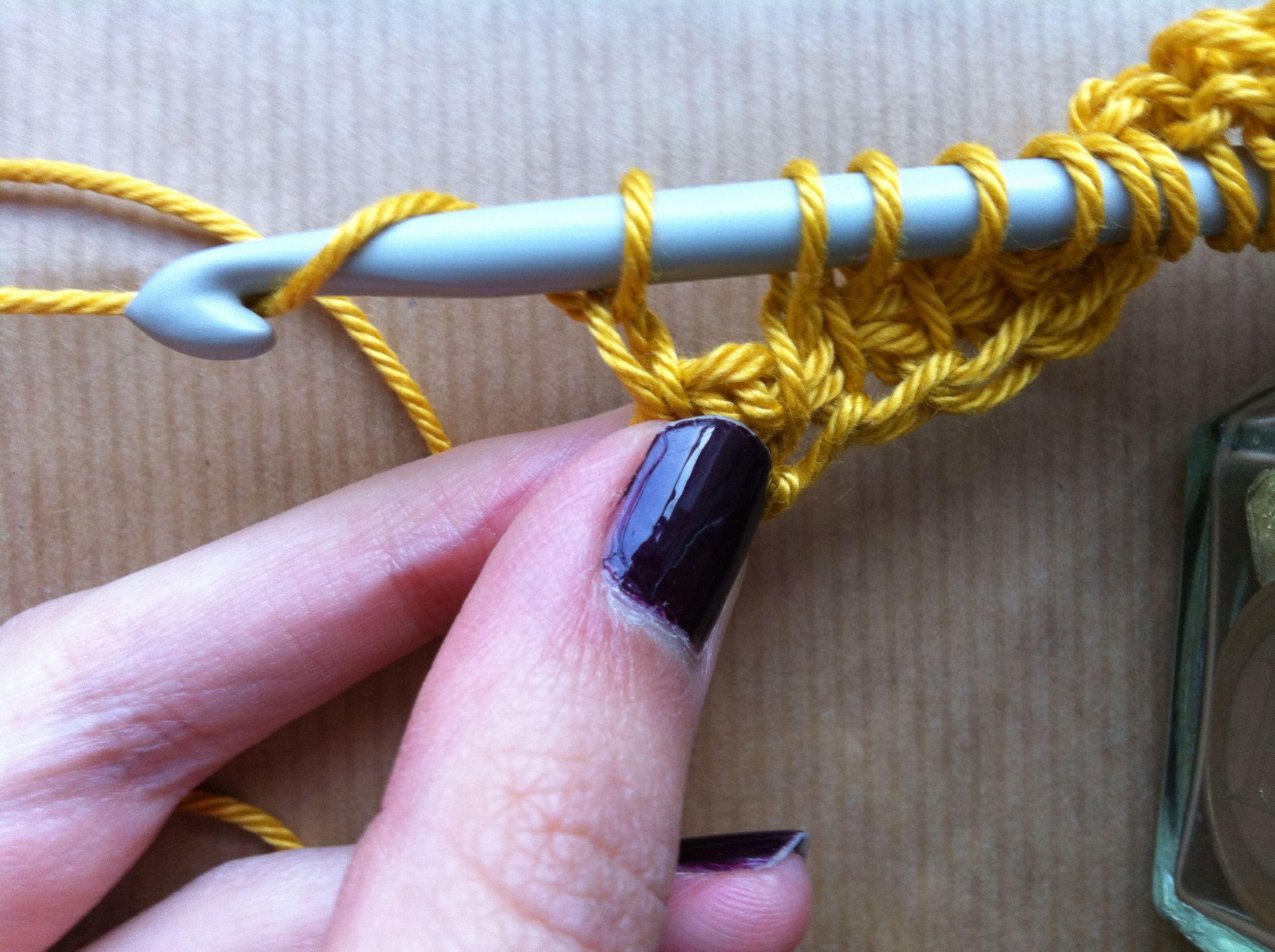
Sometimes patterns just come to my head. I had been trying for months to find a use for a few of balls of West Yorkshire Spinners, I have one ball per colour and most of them don’t go well together. One of them is a dark grey, which should be quite easy to use but is the one that had not been touched. I thought to pair it up with white, and then bam! I thought of tunisian honeycomb stitch and how lovely it would look with both colours.

So I started swatching but realised soon that the idea I had in my head wasn’t going to work with a flat pattern: it would have to be done in the round. I was so disappointed, I wanted to post the pattern in the blog but now it wouldn’t be possible, I thought. I am not confident with tunisian in the round, and even if I were it is just too difficult, people won’t want to do it. People want easy patterns, not complicated things… right? Tunisian crochet is weird enough, add circular to that and I would just scare people away and who wants to write patterns that no one will use?

And then I stopped and remembered the reasons why I started this blog. Some were personal but others had to do with sharing a different angle of crochet, and how much more it had to offer. And to do it for free, so everyone could have access to my patterns and learn these new techniques. Should I not post a pattern because I think it’s too difficult then? If I can do it then everyone else willing to try definitely can. And if they need to learn some techniques to follow the pattern, then why not share them as well? I admit tutorials take forever to do, but my fingerless mitts tutorial is by far my most popular post. And what does that tell me? People want to learn, they just want someone willing to take the time to teach them.

So, my dear readers, I have decided to teach you tunisian crochet, and everything you need to know about it so that one day you and I can make that honeycomb pattern. It will take a bit of time and it will mean more tutorials, though maybe less posts and less frequent patterns since I do work a full time job (unfortunately), but I think it will give more meaning to this blog of mine: to spread the love of crochet to everyone willing to try something different.

Do you like the idea? Let me know in the comments!

x

Sol

Molly hat and sneak peek of Xmas pattern

photo 2

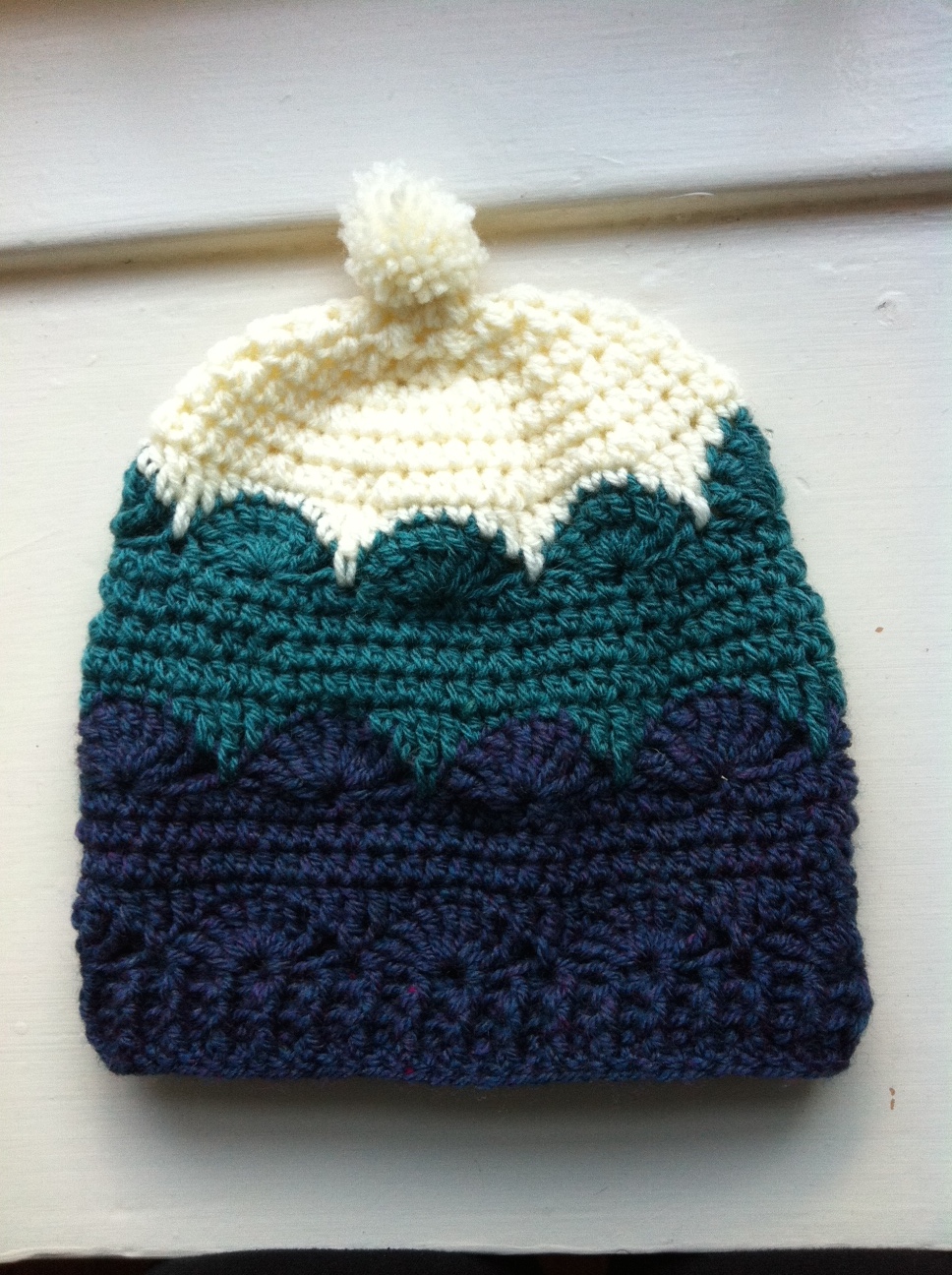
Hello there! Life treating you good? I sure hope so. Mine has been very busy lately but I bring you an update on my progress on winter warmers. Remember my Molly hat? Well, it is finished and I think this is the first hat I’ve made that actually fits me properly.

photo 3

The colours turned out well, but I am afraid the pom-pom part was a bit of a disaster. Not only have I discovered I can’t make pom-poms but even after getting a decent one (after many attempts) I realised it was a bit smaller than I would’ve liked. Since I was so mad by then I decided to stick it on anyway, so that at least it would be worth the effort. It’s not great but it’s not too bad either, maybe one day I will make one the right size but don’t see that happening anytime soon…
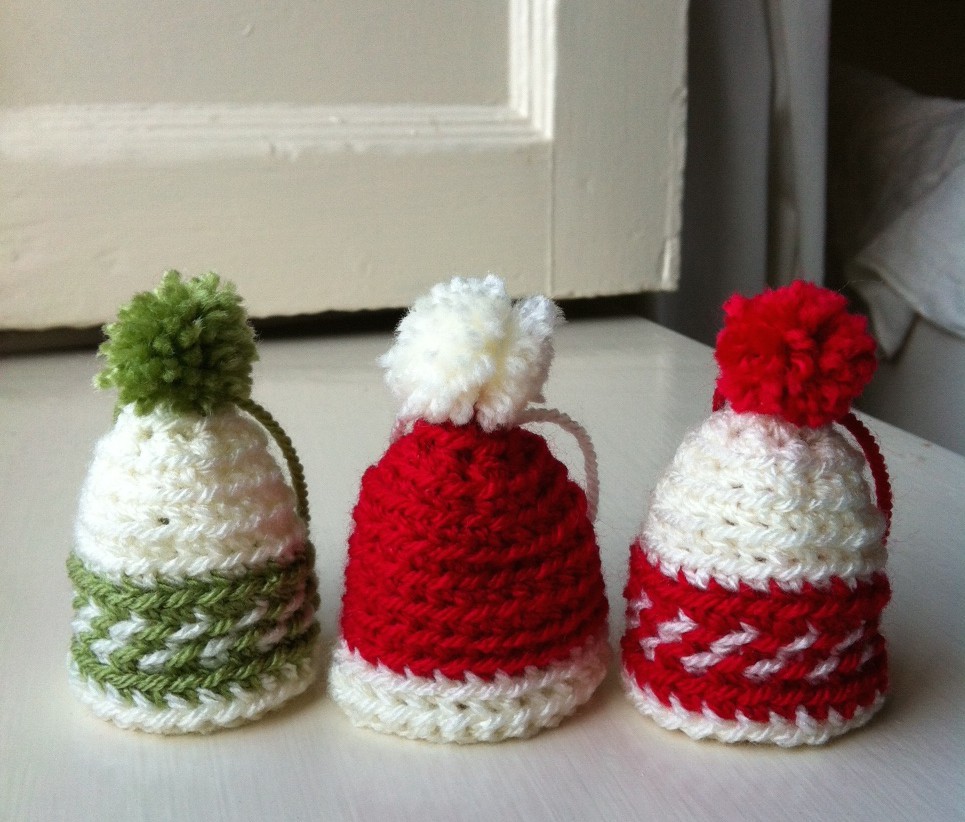
Speaking of pom-poms… I thought you might want to see a sneak peak of that Xmas pattern I mentioned. Ta-dah!

photo 1

These tree decorations are so adorable… I just love them. I really want to make a tutorial of them so that it is easier for you guys so I will post the pattern in a couple of weeks if that is OK. They are dead easy and quick but there are colour changes in a couple of rows so I thought it might be helpful. Still plenty of time for Christmas by then 🙂

photo 2


photo 5

x

Sol

My custom-fit vest with Dora: Armhole swatch and length alterations

photo 4

It has been a while but I am back with an update on my vest. A few weeks ago I started a new Craftsy class that teaches you how to custom-fit a pattern using a tunisian crochet vest as example. I have done a post showing my materials, another one with my first alterations and now I will share with you how my armhole swatch went and the last alteration I did before starting the pattern.

So as I mentioned before, the instructor asks for you to make an armhole swatch with your bust alterations to make sure that everything works as planned. I finally finished mine and I am happy to announce all is looking good! I am a bit short on row gauge again but that can be fixed with blocking and the weight of the fabric will stretch it out a bit as well. I had planned to take a picture of the swatch, but that was before I unravelled it while talking to my mum over the phone (never make decisions while on the phone!), but basically it is an upper quarter of the front of your vest, from your shoulder to your bust and from the middle of your front to your armhole.

After this the only alterations left were length and hip. I have small hips so I didn’t need any changes there, but I had to add one or two rows to the length and also change the proportions. Now, length alterations are supposed to be easier than bust alterations but for some reason I really struggled with it. In the portion of the pattern below your bust you have more rows before the waist than after, but when I measured myself it turns out I have the same distance from waist to end of vest than from waist to bust, so had to change the distribution of the rows. Luckily, the instructor answered all my questions on the discussion board, and now I finally have all my alterations done and have started the back!

I will keep you posted on my progress…

x

Sol

Online resources for crocheters

262 patterns

Hello my dear readers! Hope you are all doing great wherever you are. A few weeks ago I shared with you some books that I have found useful for crocheters and promised to be back with tips for online resources. It took a while but here it is!

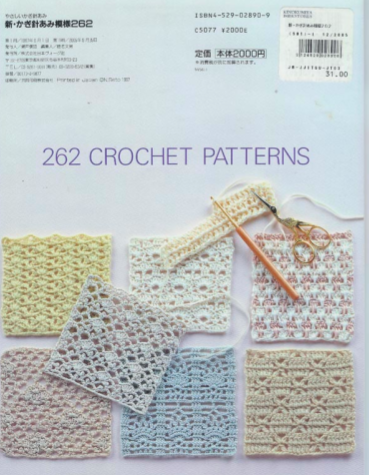
I definitely prefer actual books and magazines rather than the online version but sometimes obtaining the physical book is either expensive or just not possible, and you can find many free resources in the web. I will begin with Japanese stitch dictionaries: yes, they are in Japanese, but don’t fear! They are still a great tool. Here you have a couple available for download if you create an account at Issuu:

262 Crochet Patterns

300 Crochet Patterns

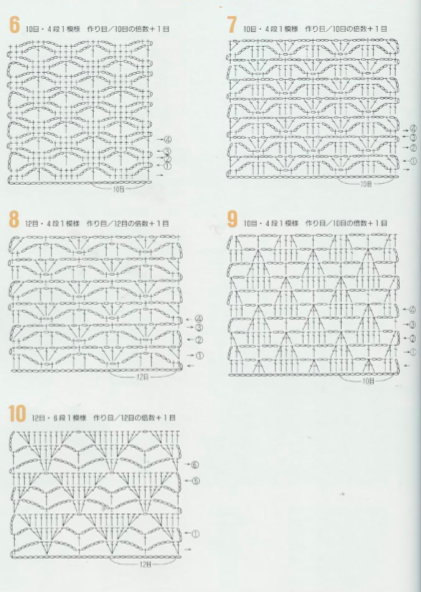
All the patterns come with charts and those are not hard to decipher, symbols are the same in any language and you can do a quick google search for Japanese crochet charts to find out all you need to know.

japanese patterns

Issuu is a great place to look for other publications, Japanese or not. Just type in “crochet” in the search bar and you will find loads of magazines and books to browse. Though most of them won’t be available for download you can still read them online. I have downloaded quite a few Japanese crochet magazines, they are so inspirational and all the patterns come with charts in case you want to give them a try.

japanese mag

Other great online resources are Craftsy classes. I have reviewed one and I am doing a series on another, most of them are paid but I haven’t mentioned they have free mini classes, one is currently available called Amazing Crochet Textures, the platform is really good so recommend you check it out.

Finally I would like to mention the free Interweave Ebooks. I have talked before about Interweave Crochet Magazine and they also have many free ebooks available for different techniques, such as crochet cables, tunisian crochet, felting, and much more. They usually explain the technique and include a few patterns to try it out, they are not always great patterns but it is free and allows you to learn by doing.

Hope that was useful and if you know of any other great resources for us crochet lovers feel free to share them in the comments!

x

Sol